Romas Ubartas, 2012
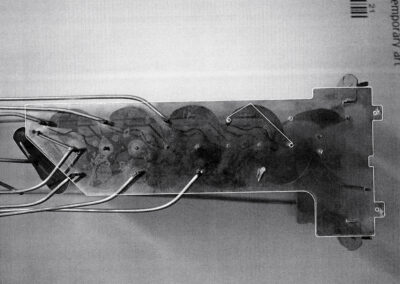
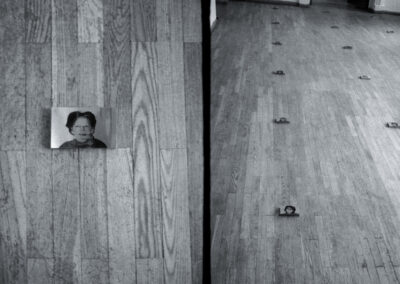
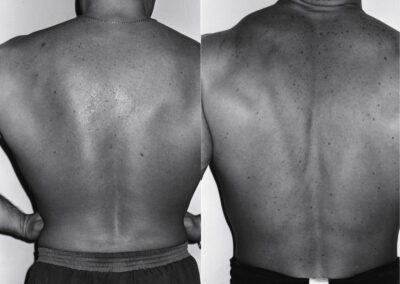
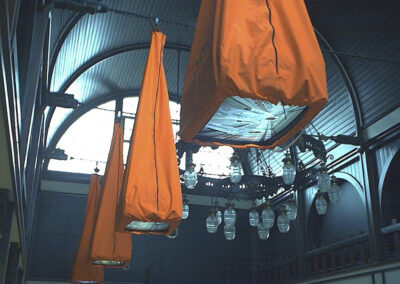
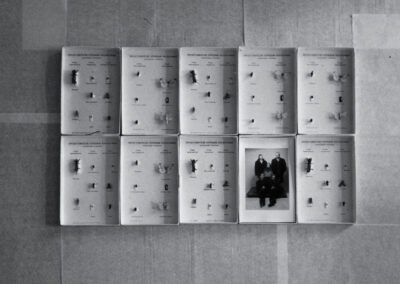
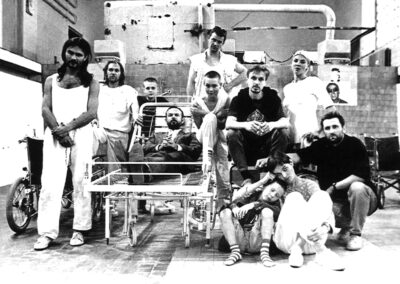
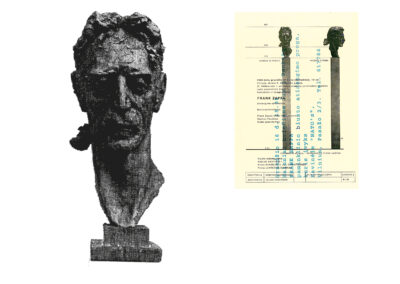
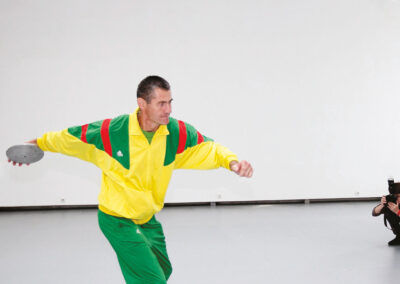
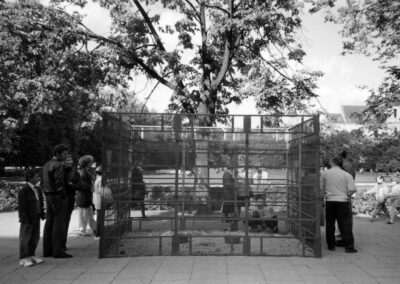
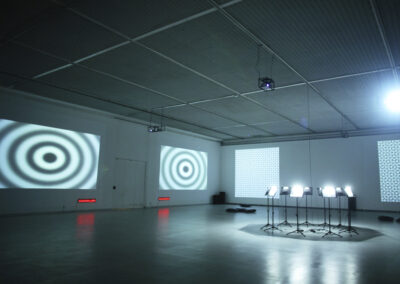
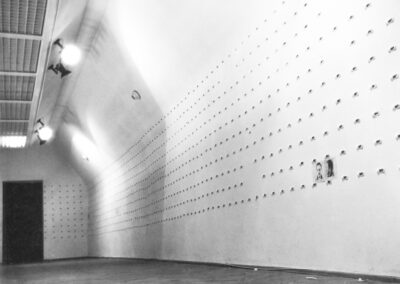
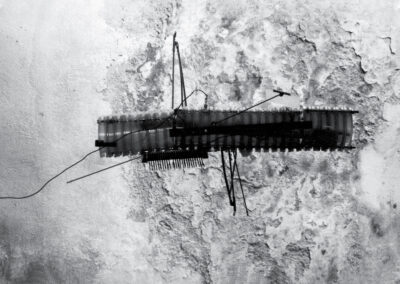
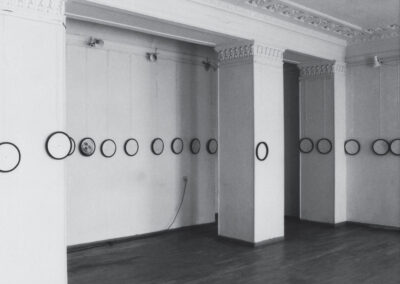
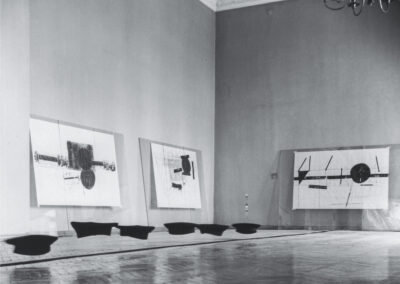
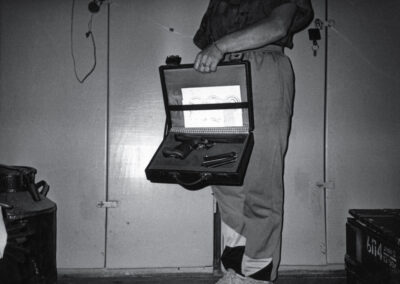
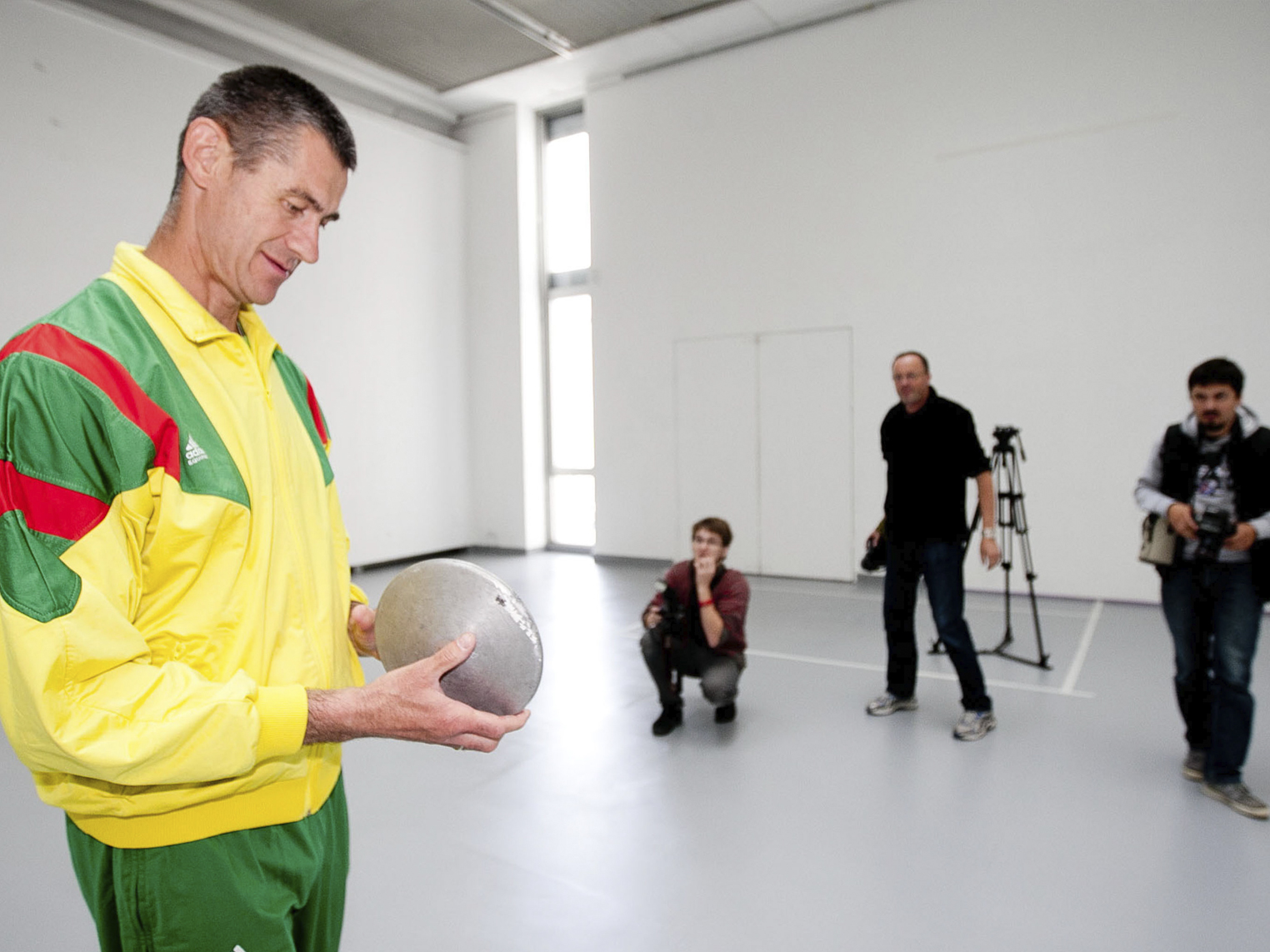
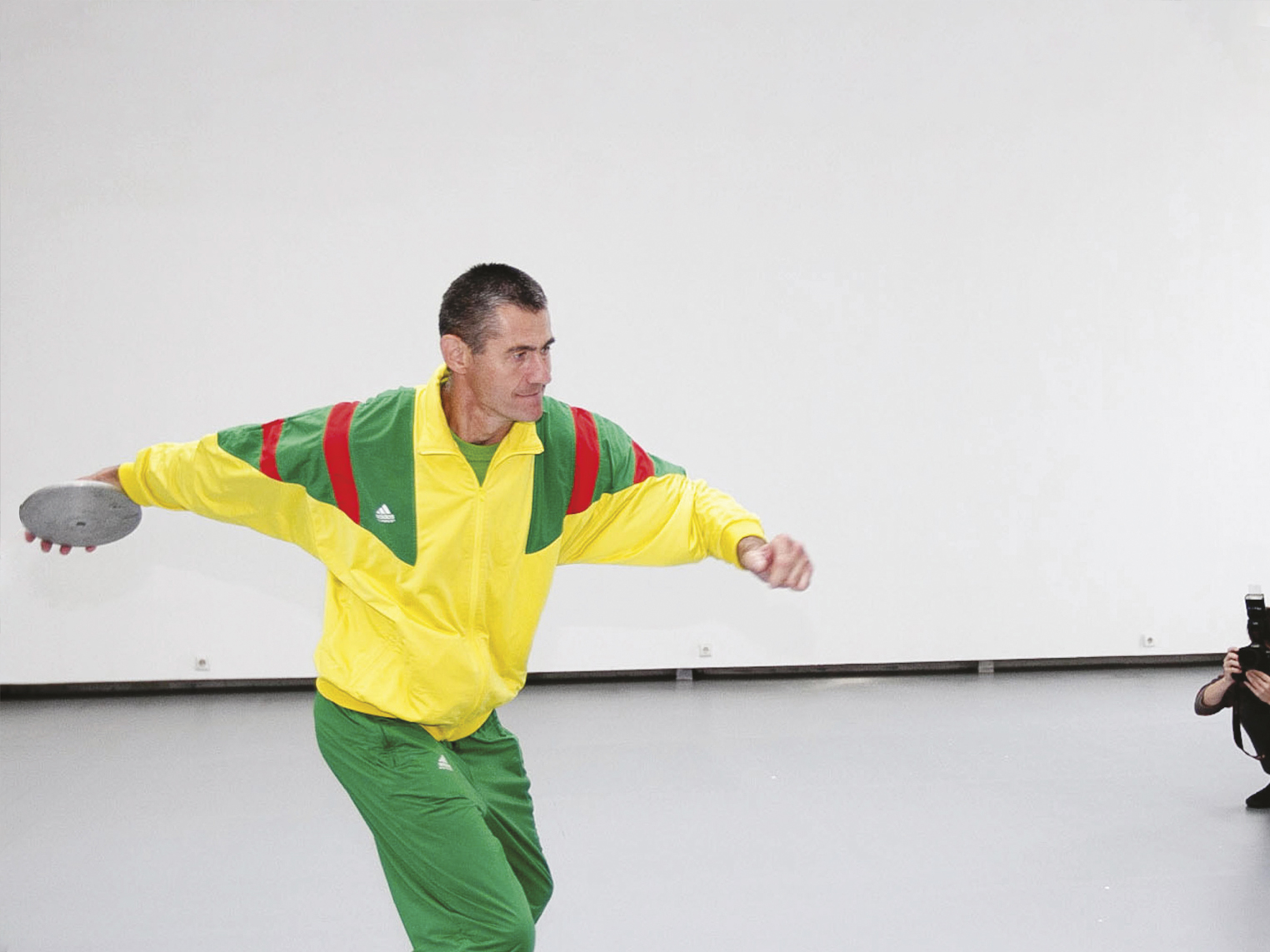
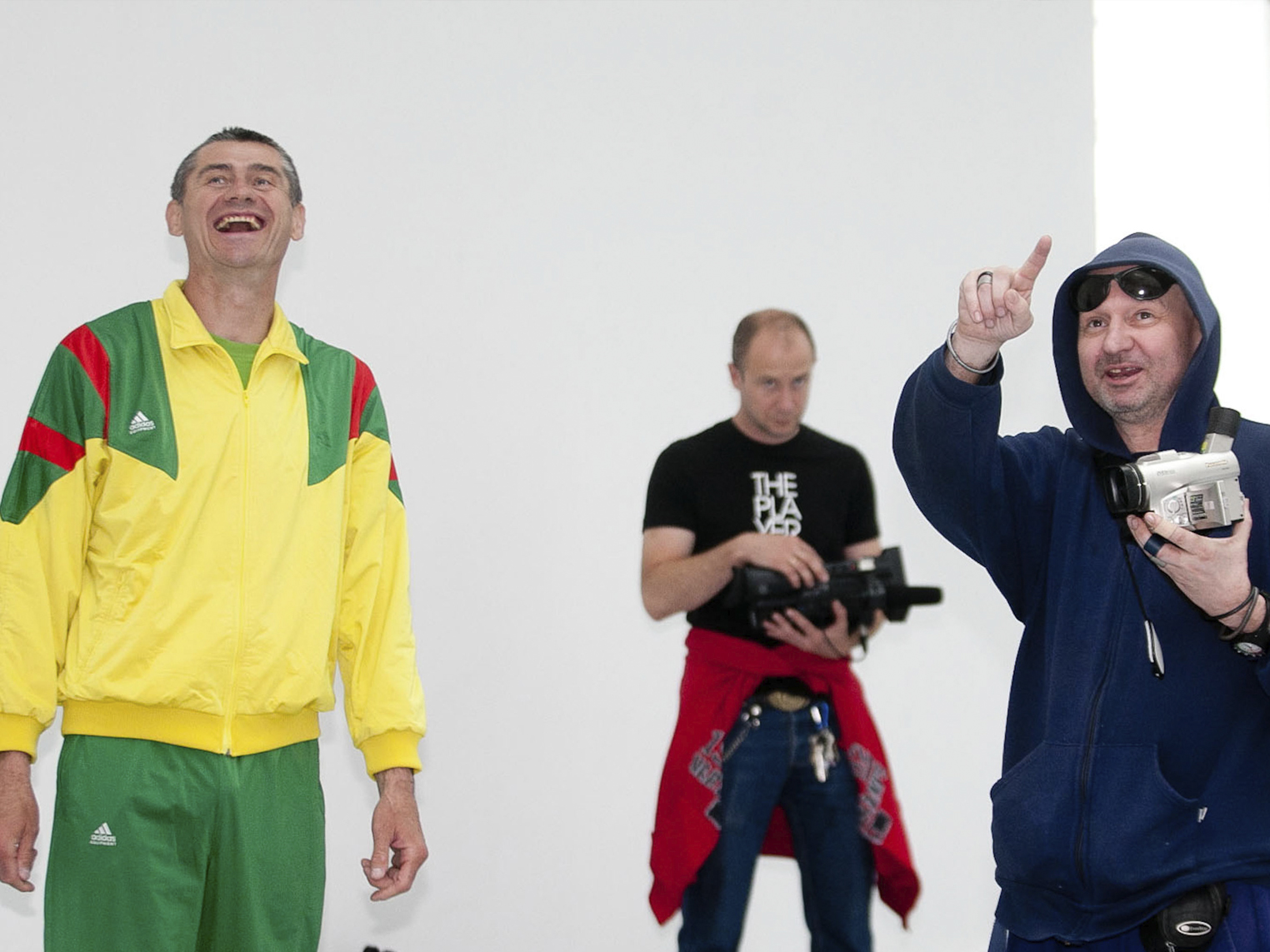
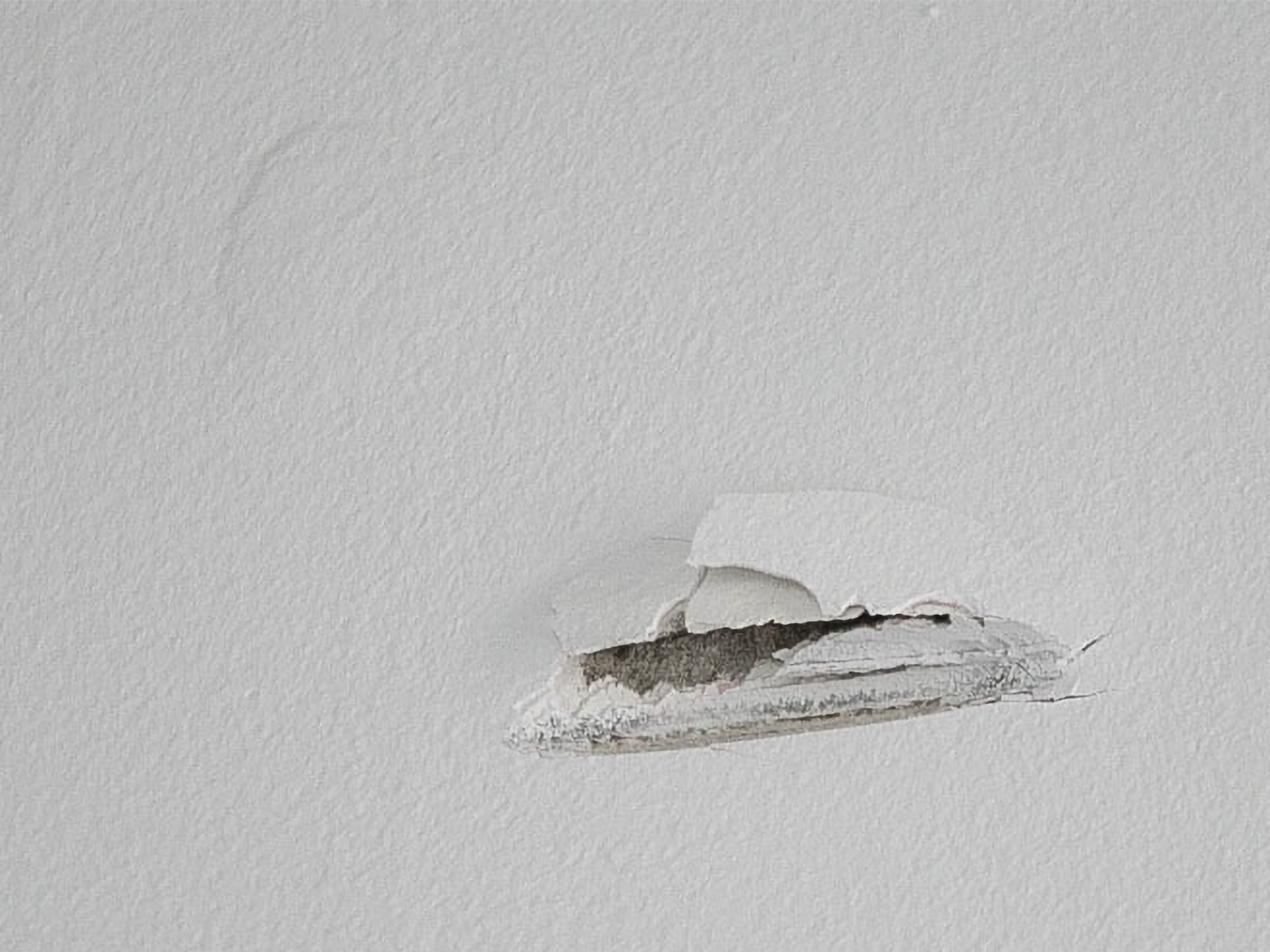
In 2012, within the framework of the Contemporary Art Centre (CAC) exhibition Lithuanian Art 12: 18 Exhibitions, Valdas Ozarinskas realised his final interdisciplinary artwork in the CAC spaces – an action-installation entitled Romas Ubartas. […] In this work, to paraphrase writer Rolandas Rastauskas, Ozarinskas’s biography quite literally ‘came out’. First, the artist returned to the form of artistic action characteristic of his practice in the 1990s; second, the life story of Romas Ubartas became a metaphor for Ozarinskas’s own biography. Ubartas was the first Lithuanian athlete to win a gold medal at the Olympic Games. A few months after the 1992 Summer Olympics in Barcelona, where he became world champion in discus throwing, he was disqualified for four years following a positive doping test. During this period, he was unable to compete professionally – a situation that resembled Ozarinskas’s own experience, as the artist believed that, due to his reputation, he would never receive an architect’s licence and was therefore unable to practice architecture professionally. In 2002, Ubartas was again accused of doping, but this time the charges were quickly dropped – for reasons unknown. In 2012, Ozarinskas invited him to throw a discus at the wall of the CAC’s main exhibition hall shortly before the opening of the exhibition. A photographer from the Delfi news portal was invited to document the action, while visitors to the exhibition could see only the mark left by the discus, which remained protruding from the wall right under the ceiling for some time. The wall is an archetypal element of architecture, and the work may thus be interpreted as an indictment not only of architecture itself, but also of the contemporary art field embodied by the CAC. The walls also became an obstacle to ambition.
– Virginija Januškevičiūtė, ‘Juodasis Valdo Ozarinsko periodas’, Nemunas, 2010, no. 10, pp. 42–43.
Romas Ubartas, is a retired two-time Olympic discus throwing medallist. Having won a silver medal for the USSR and gold for the independent Lithuania, Ubartas was temporarily disqualified for allegedly using performance-enhancing drugs in 1993 (there’s a parallel between him not being able to practice sports professionally and Ozarinskas not being able to practice professional architecture). In 2012, on Ozarinskas’s invitation and in the presence of several photographers, curators and Ozarinskas himself, Ubartas throws the discus at the wall several times – again in the Great Hall – until it becomes lodged near the ceiling. A scar was left on the wall for a while.
The term ‘action’, just like the word ‘maxim’, ceased being used in the context of art very abruptly, after being employed by PR campaigns promoting the first supermarkets (akcija in Lithuanian also means ‘special offer’ or ‘promotion’ while Maksima is the name of a local supermarket chain). But at the very least, Romas Ubartas and Formalism should be referred to as actions. His anger, originally directed at architecture and expressed in the field of art, eventually turns to the field of art, too. Romas Ubartas is probably the one man in Lithuania most capable of expressing this anger in a single physical gesture, and the discus that he throws hits not just the wall – the archetype of architecture – but also the wall specifically of the CAC. If it weren’t for this wall, how far could the discus have gone?
– Virginija Januškevičiūtė, ‘Artistic Actions: The Fight Club’, in Architect without Architecture? A Retrospective of Valdas Ozarinskas: exhibition guide, ed.: Virginija Januškevičiūtė, Vilnius: Contemporary Art Centre, 2018, p. 20–21.
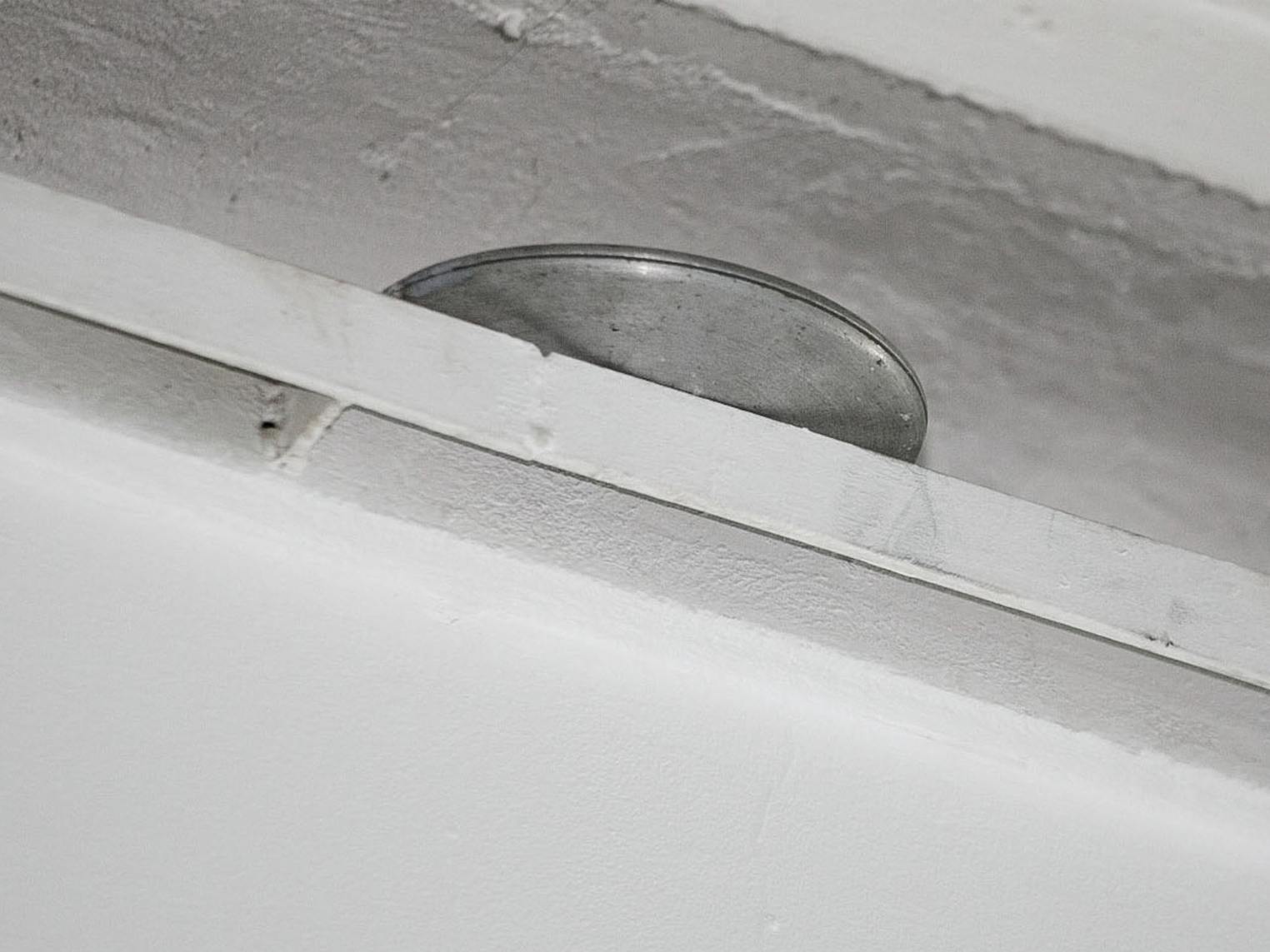
Author: Valdas Ozarinskas
Exhibited in Lithuanian Art 12: 18 Exhibitions at the Contemporary Art Centre, Vilnius
Photographer: Šarūnas Mažeika
Photographs: CAC Archive
Other sources:
Architect without Architecture? A Retrospective of Valdas Ozarinskas: exhibition guide, ed.: Virginija Januškevičiūtė, Vilnius: Contemporary Art Centre, 2018
Romas Ubartas, https://cac.lt/paroda/romas-ubartas/.
Art Projects