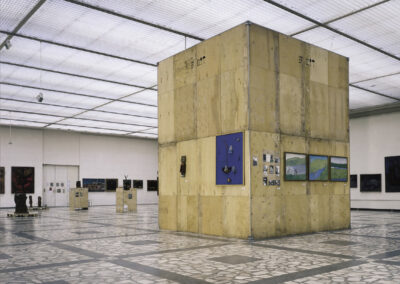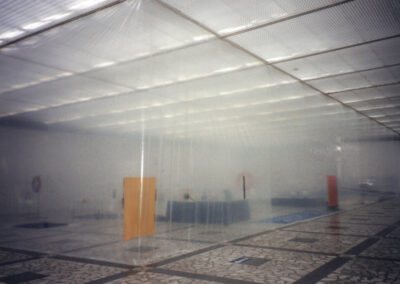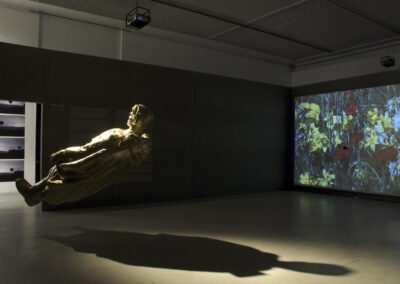
Silent Modernism in Lithuania 1962–1982, 1997
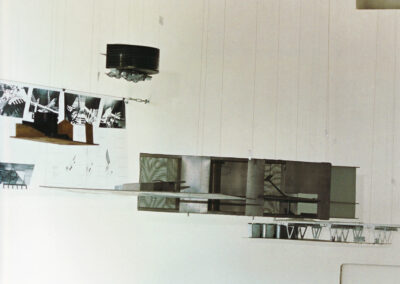
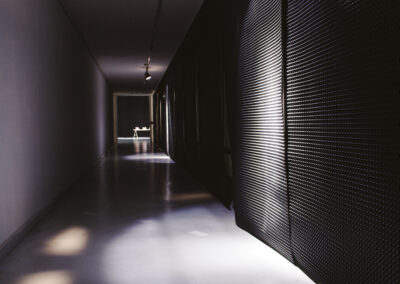
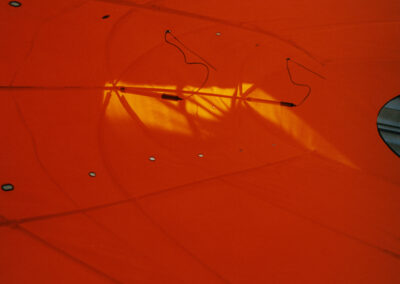
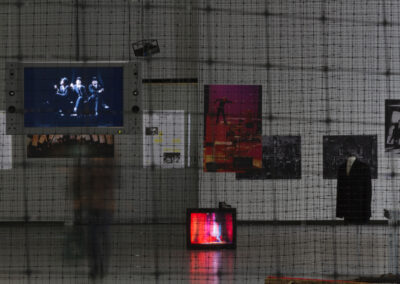
This was one of the first exhibitions for which Valdas Ozarinskas served as architect at the Contemporary Art Centre (CAC), dedicated to the controversial period of 1962–1982, when many progressive art events could not take place in public spaces. Based on the detailed research of art historian Elona Lubytė and curated by her, the exhibition documents processes of modernisation in art that occurred in private and semi-public spheres at the time. Although today it might be classified as a typical museum survey show, the circumstances made it particularly significant for the contemporary art scene. First, the exhibition helped reframe the understanding of Lithuanian modernism and opened the institution’s doors to works that, during the Soviet era, could exist only in private settings, paving the way for a new stage in the writing of institutional art history. Secondly, this exhibition marked Valdas Ozarinskas’s takeover from architect Gražina Pajarskaitė at the CAC, introducing his own distinctive aesthetic principles.
– Virginija Januškevičiūtė
Designing the displays for large group and survey exhibitions of contemporary art became a regular opportunity to make ambitious architectural statements. Unlike solo exhibitions, the authorship of curated group exhibitions is always dispersed – neither their content nor aesthetics are based on the vision of a single person. In some cases – including that of the CAC during Ozarinskas’s employment – the opportunity to take up the position of that ‘single person’ presents itself to the exhibition architect, at least on aesthetic and visual terms.
It was during this same period – around the year 2000 – that the decorative interiors of the CAC (a legacy of the 1980s) were gradually being transformed into a version of the white cube. The material base of the institution was also morphing and was being supplemented with audio visual equipment, as well as new standardised exhibition modules and solutions. The furniture originally designed for the bar Full Metal Jacket was organically integrated into the mix. ‘The cycle of a perpetual ruin, built and unbuilt with every exhibition that comes and goes continues at the CAC, like any art centre today’, wrote Andreas Angelidakis, the architect of the 12th Baltic Triennial, who referred to the CAC as The Palace of Re-Invention. Each show – a re-invention of the space of the building.
– Virginija Januškevičiūtė, ‘Exhibition Design’, in Architect without Architecture? A Retrospective of Valdas Ozarinskas: exhibition guide, ed.: Virginija Januškevičiūtė, Vilnius: Contemporary Art Centre, 2018, p. 34.
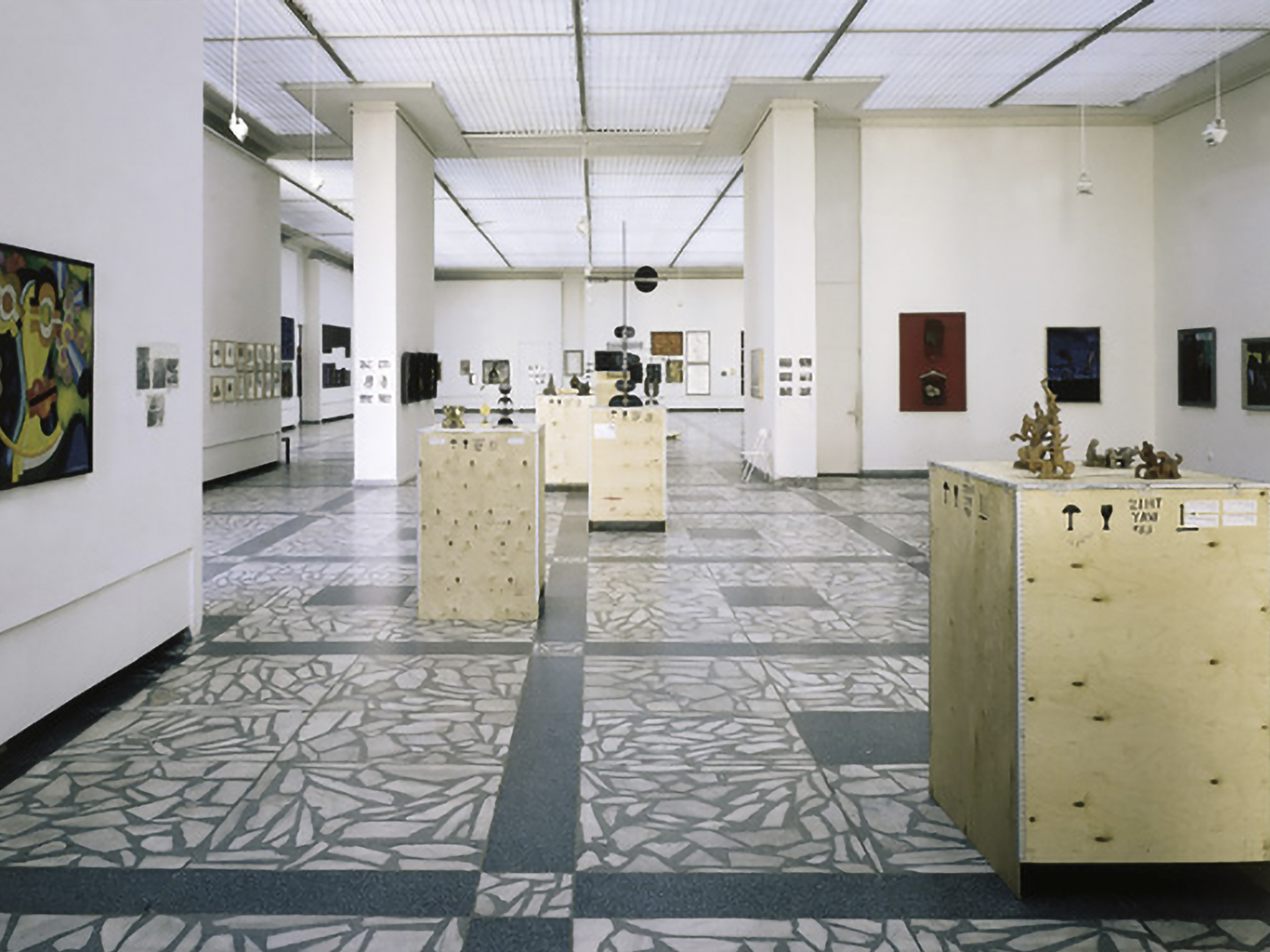
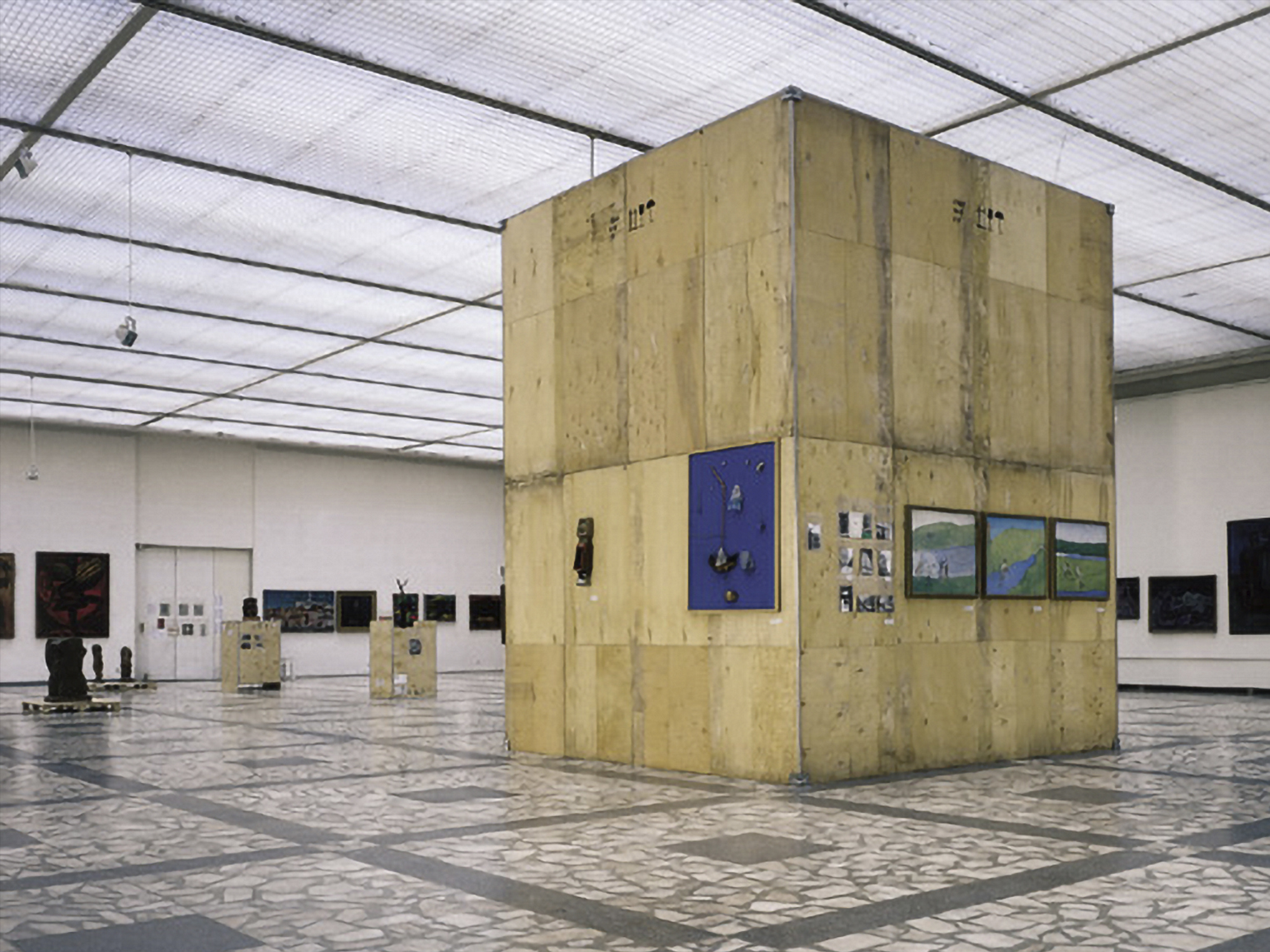
Exhibition architect: Valdas Ozarinskas
Exhibition curator: Elona Lubytė
Contemporary Art Centre, Vilnius
Photographs: CAC Archive