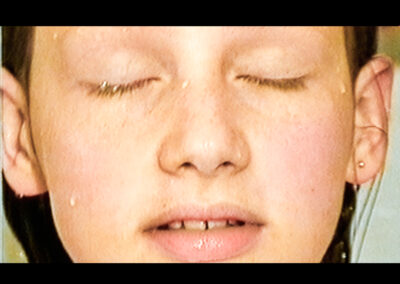
Office; Office with a Punching Bag, c. 2003
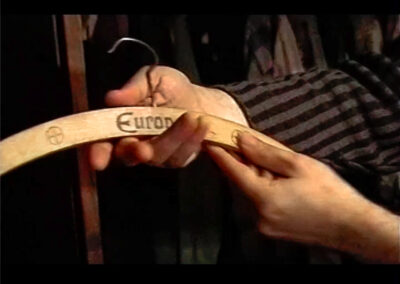
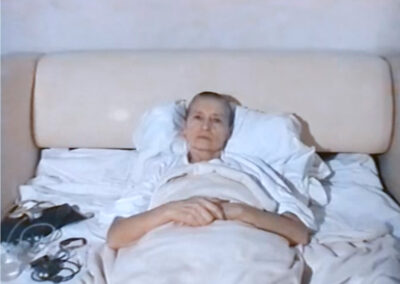
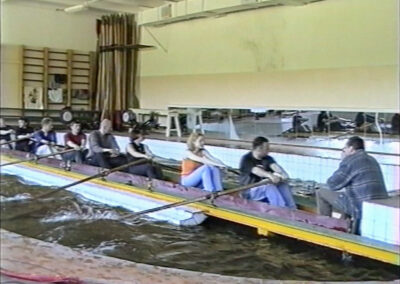
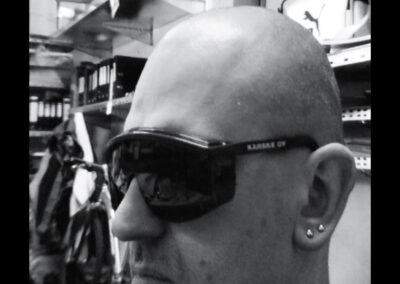
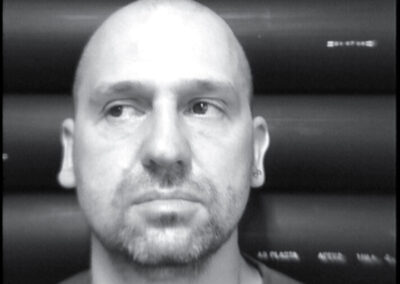
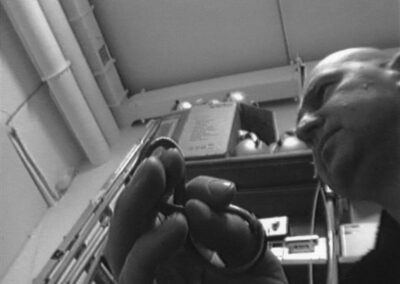
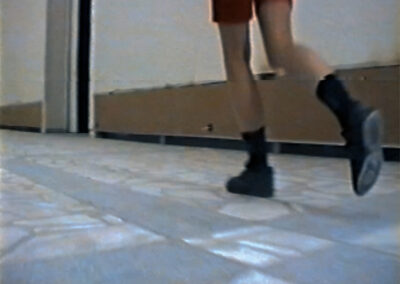
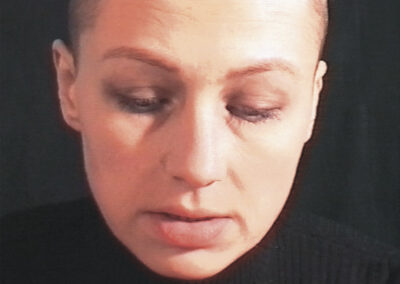
There are a couple of video tapes in the private archive of Ozarinskas, which haven’t yet been shown before and in which Ozarinskas documents the first office at the Contemporary Art 2Centre that he designed for himself. It is the same office where OZE PAX was filmed. Both tapes convey not just the love for and pride of his own work, but also a sense of fascination — as if he had nothing to do with it — with this microcosm and the various elements that settled there, including a punch bag installed in the middle of the room. In one of the tapes this microcosm is observed from a distance in a somewhat mystifying manner; in the other the camera joyously focuses on whatever the architect’s hand brings into view.
“But details are exactly what interiors are made of,” said Ozarinskas to the architecture journalist Renata Šarkauskaitė in an interview in 2002 when asked about the importance of details in interior design. However, “details” in his case can also mean car parts, glider components or road signs. He designed the interior for the CAC Caf. using parts of discarded classroom furniture and used metal parts of counting machines salvaged from a disintegrating factory for the bar Full Metal Jacket. Villa Jogaila, one of two private houses that were nearly built (the other was completed, but not in accordance with Ozarinskas’ blueprints), was designed as a two storey building in the shape of a semi-circle; its curved wall was supposed to be made of a pre-fabricated metal aircraft hangar turned on its side.
“It’s a lovely configuration you are wearing today”, says the protagonist of K-PAX to one of the women working in the hospital he’s at [see “OZE PAX”]. And Ozarinskas says to Renata Šarkauskaitė:“I am more interested in the interior of a factory for instance, which was made by people who were solving engineering problems. I am interested in technological things, which haven‘t been suppressed by architects and their aesthetics. I don’t want to base my decisions on things like ‘beautiful’, ‘more beautiful’, ‘even more beautiful’. Because there is never an end to it.”
– Virginija Januškevičiūtė, “Interiors”, in Architect without Architecture? A Retrospective of Valdas Ozarinskas: exhibition guide, ed.: Virginija Januškevičiūtė, Vilnius: Contemporary Art Centre, 2018, p. 16–17.
Over time, his offices at the Contemporary Art Centre became nest-like installations, overgrown with cultural moss, resembling blind coves with their Indian music, Japanese fantasy books, Woody Allen DVDs, primuses, refrigerators, bicycles, electric guitars, gymnastic mats, and a cluster of laminated Jean-Luc Godard film stills on the walls (I always suspected that Jean Seberg, not Anna Karina, was Ozė’s ideal woman). On one occasion, David Sarkisian, director of the Moscow Museum of Architecture, whose own office-nest had remained unchanged and open to visitors after one Venice Architecture Biennale, stopped by and said to Valdas:
‘I see there are still some things missing, but you’re on the right track.’
– Rolandas Rastauskas, ‘(Un)used in Lithuania’, Nemunas, 2020, no. 6, p. 44.
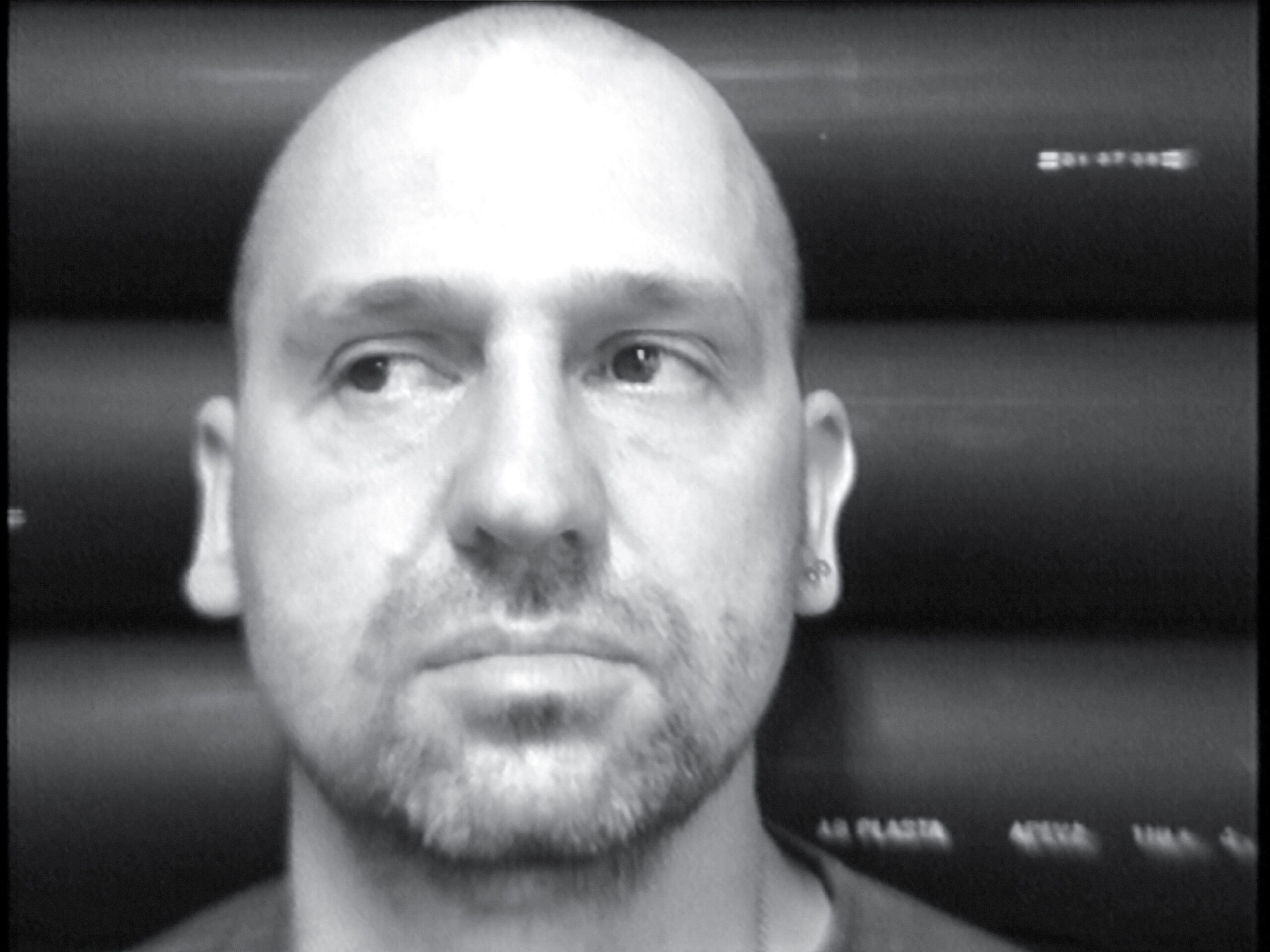
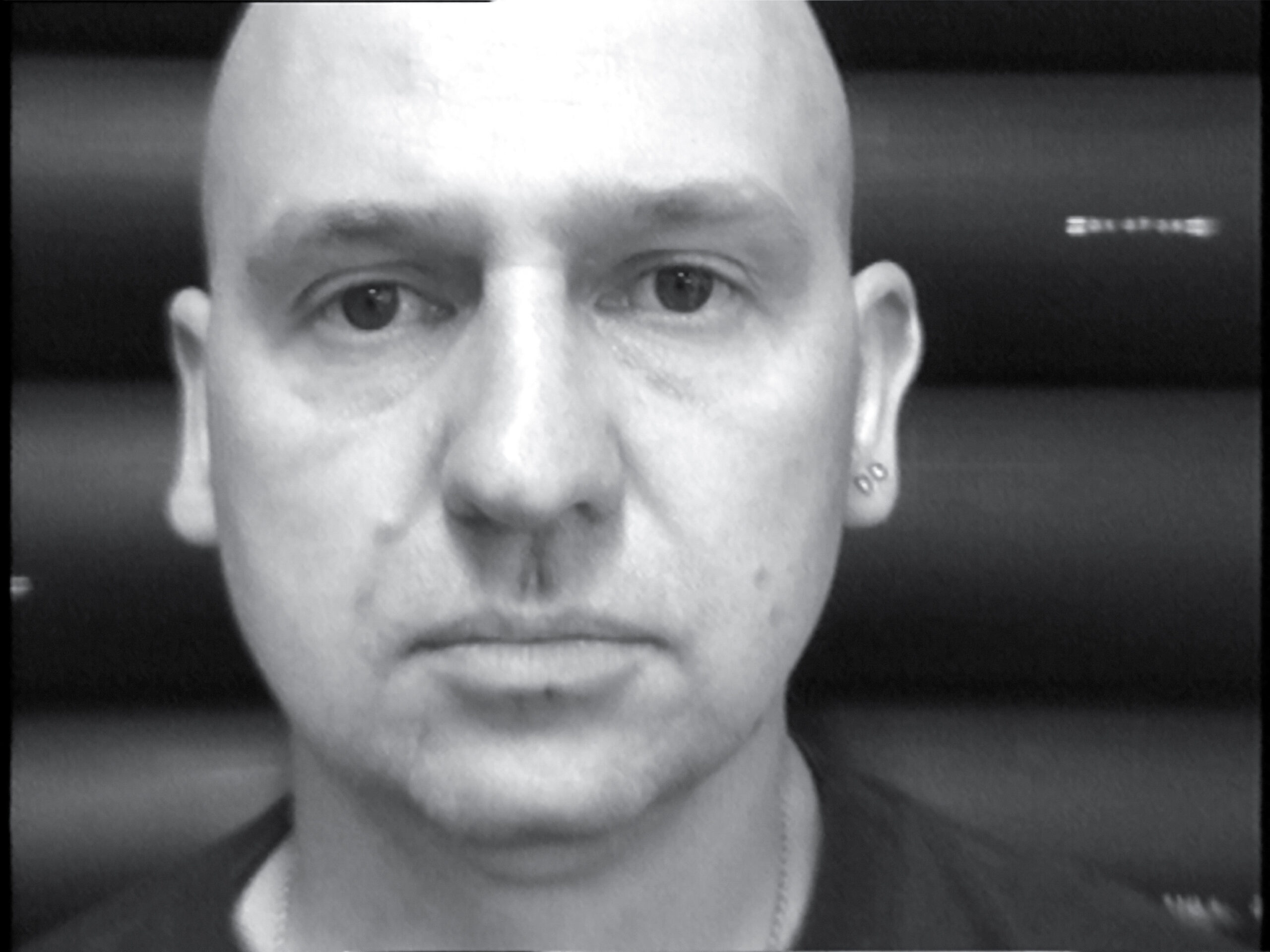
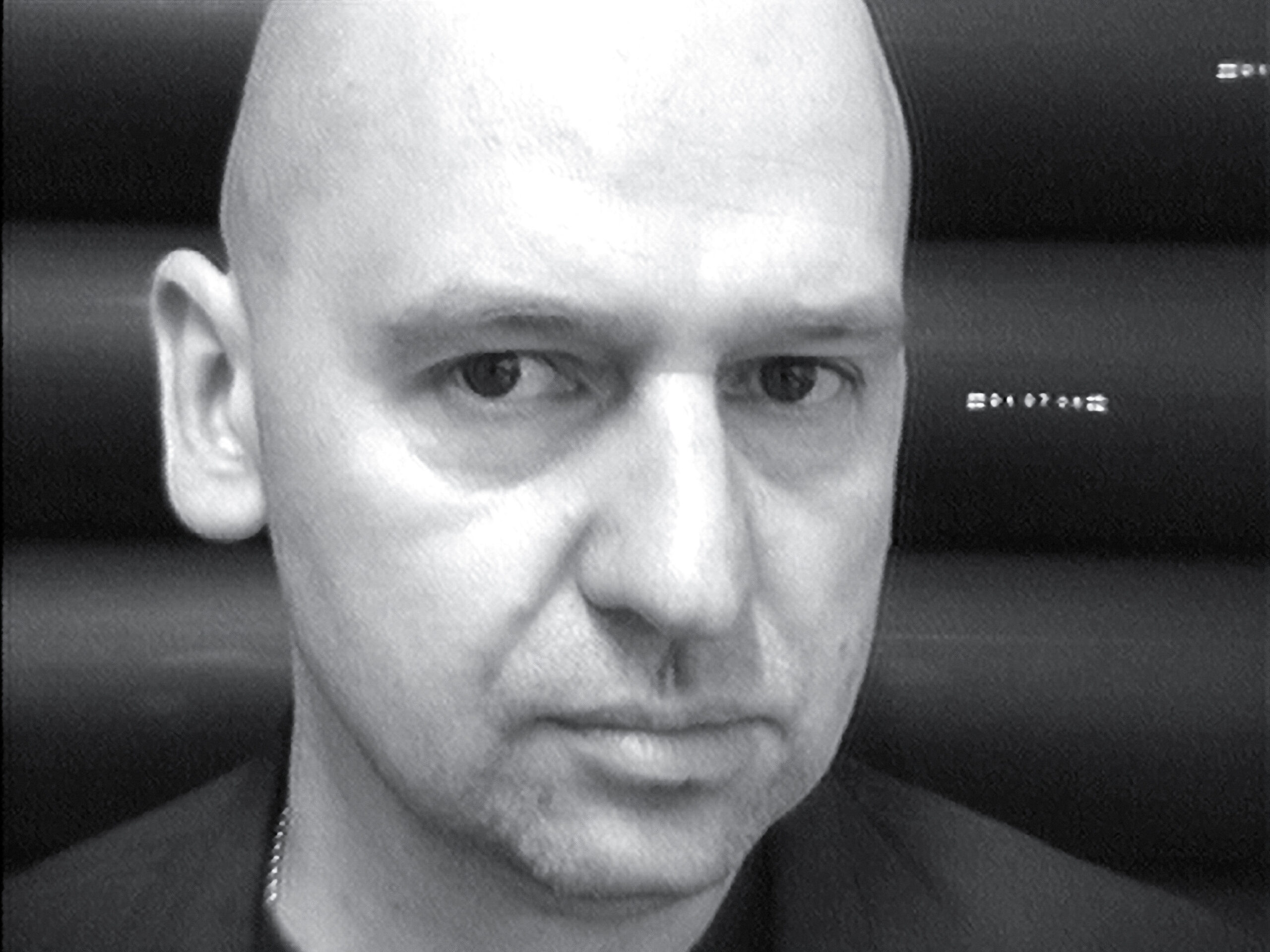
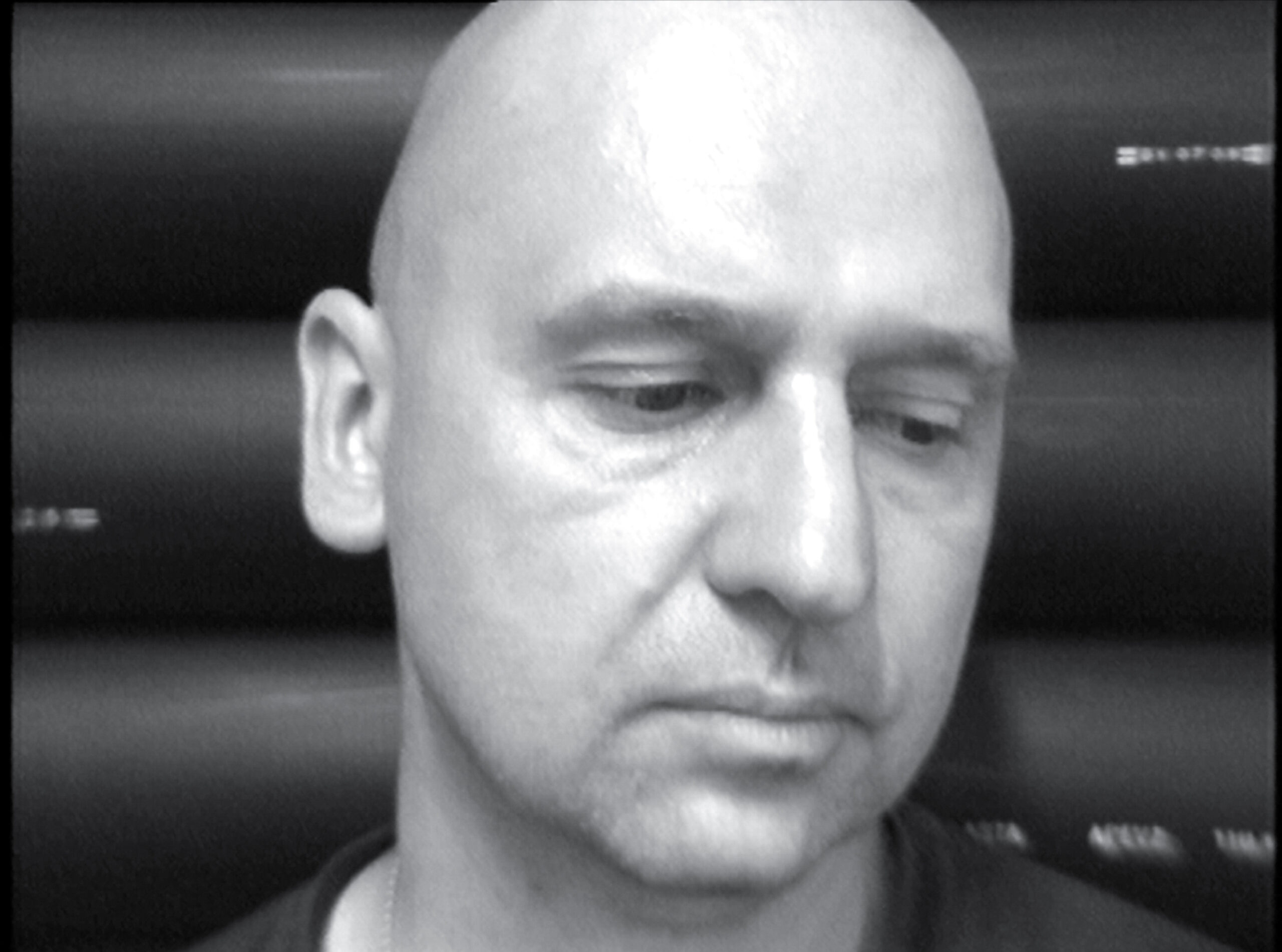
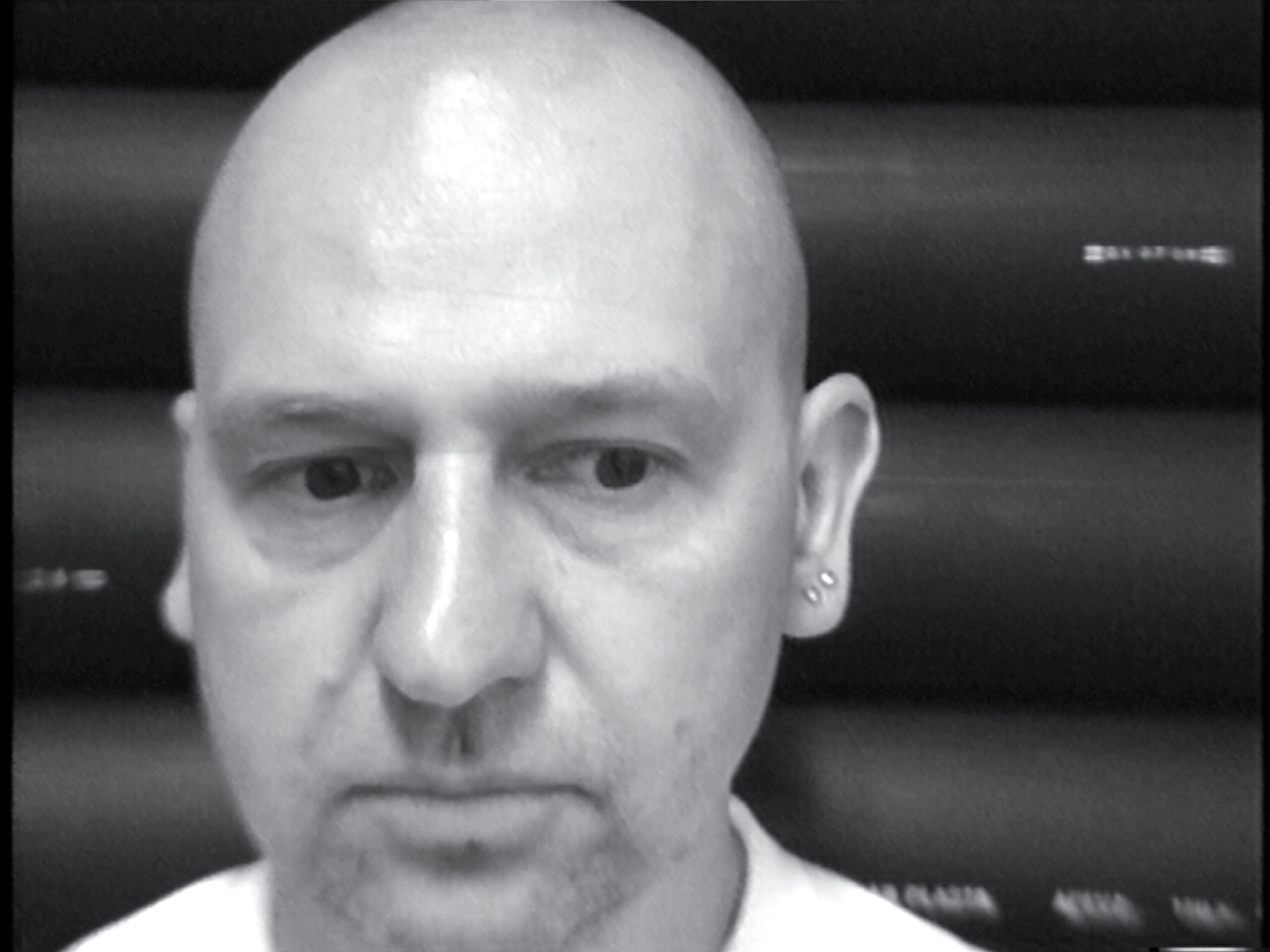
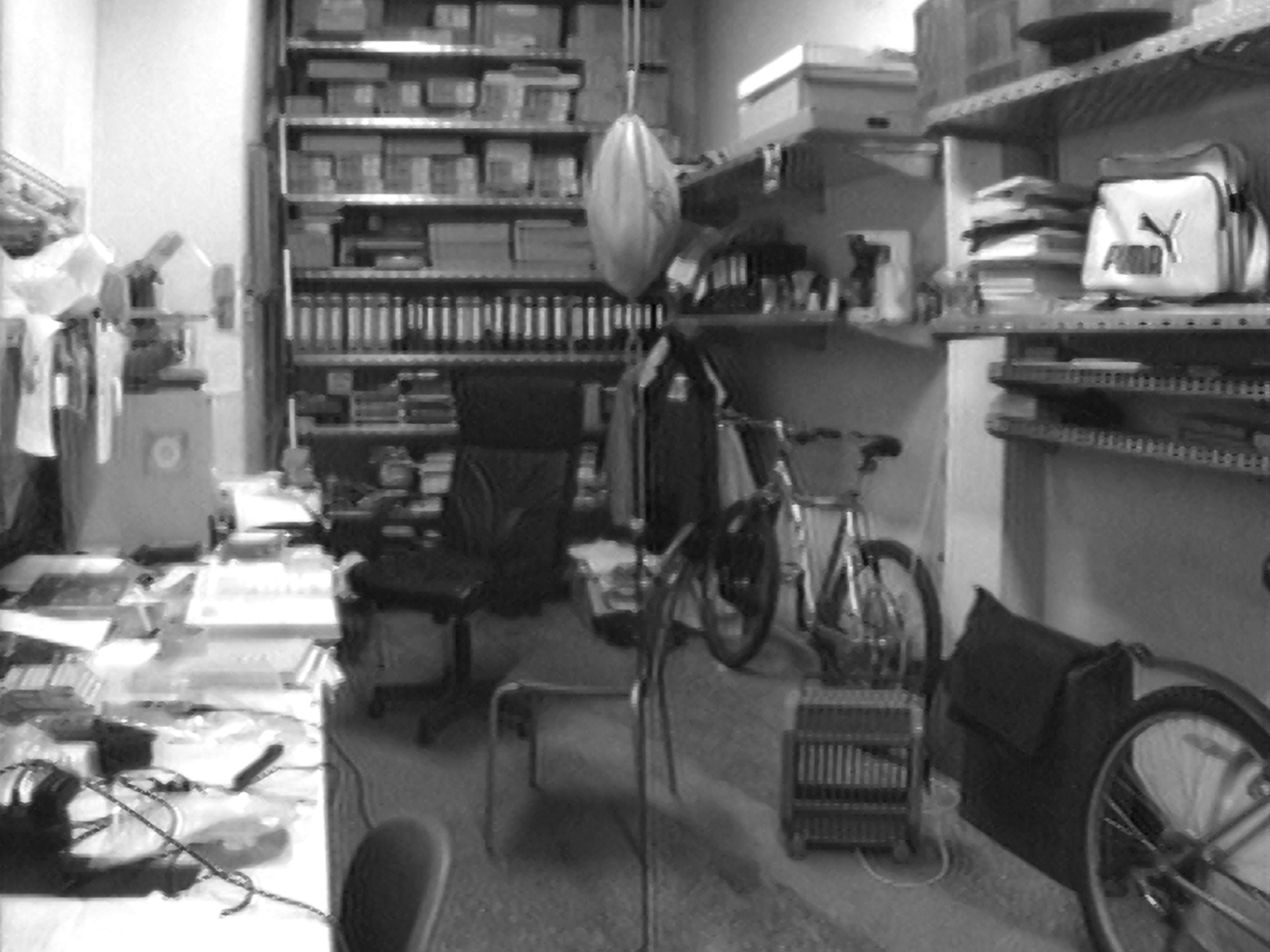
Author: Valdas Ozarinskas
Office – 64 min
Office with a Pear – 15 min
Video presented in the exhibition “Architect Without Architecture? The Retrospective of Valdas Ozarinskas,” Contemporary Art Centre, Vilnius, 2018.
Video