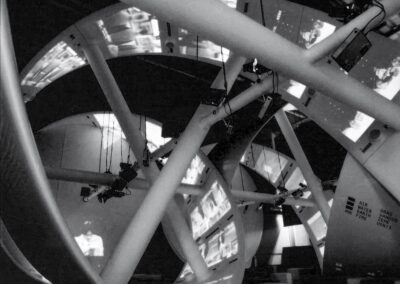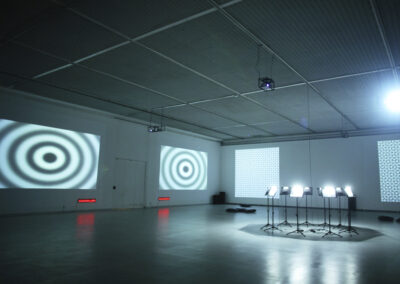
Black Pillow, 2010
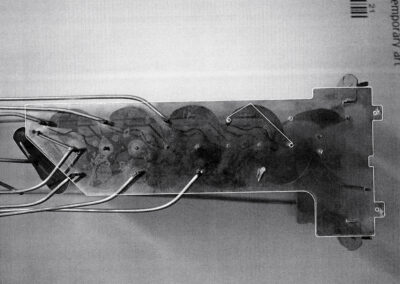
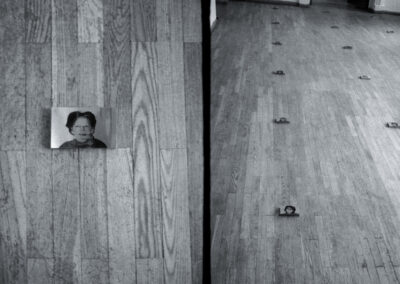
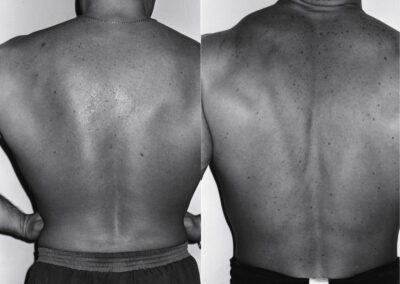
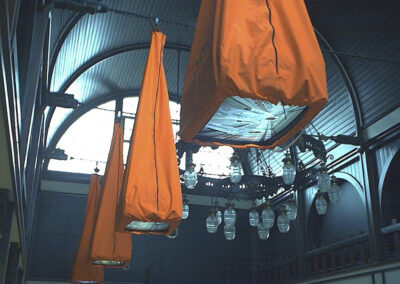
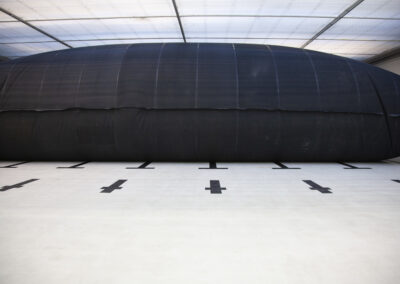
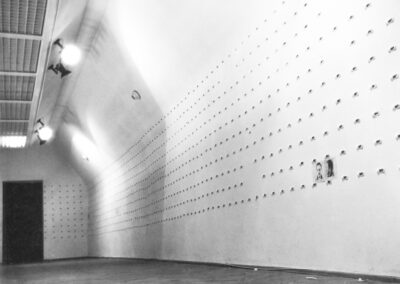
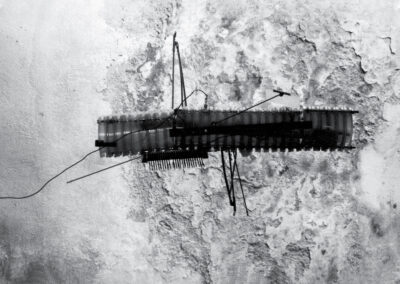
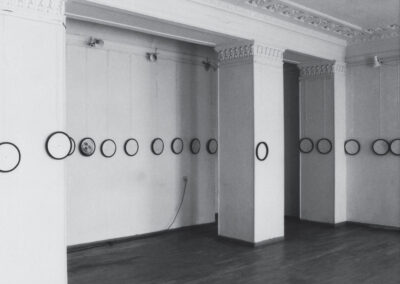
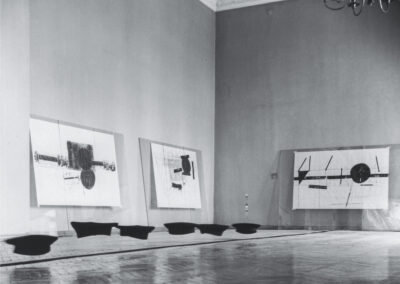
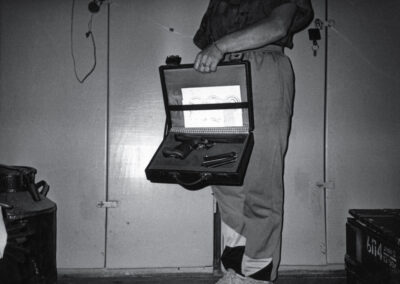
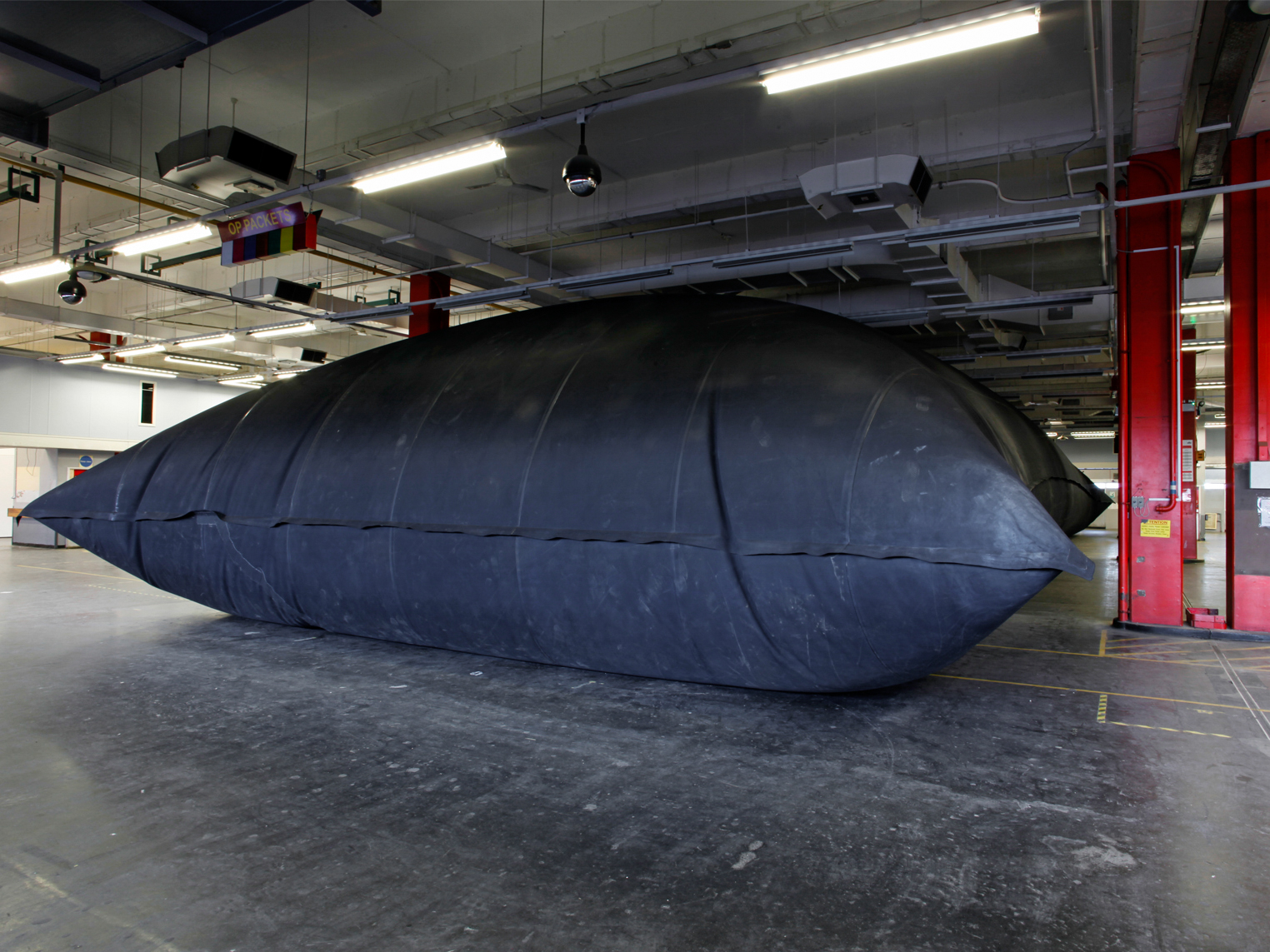
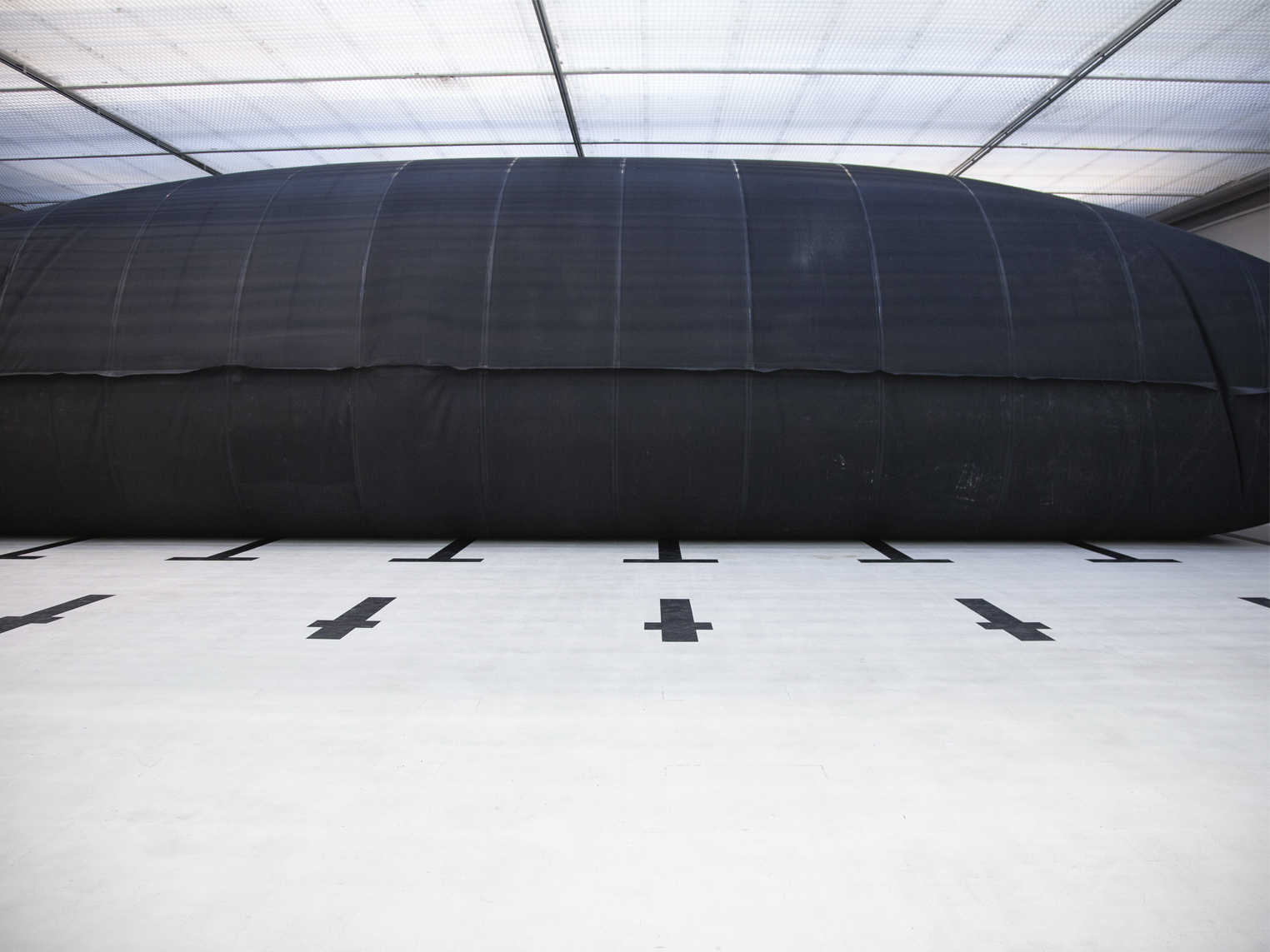
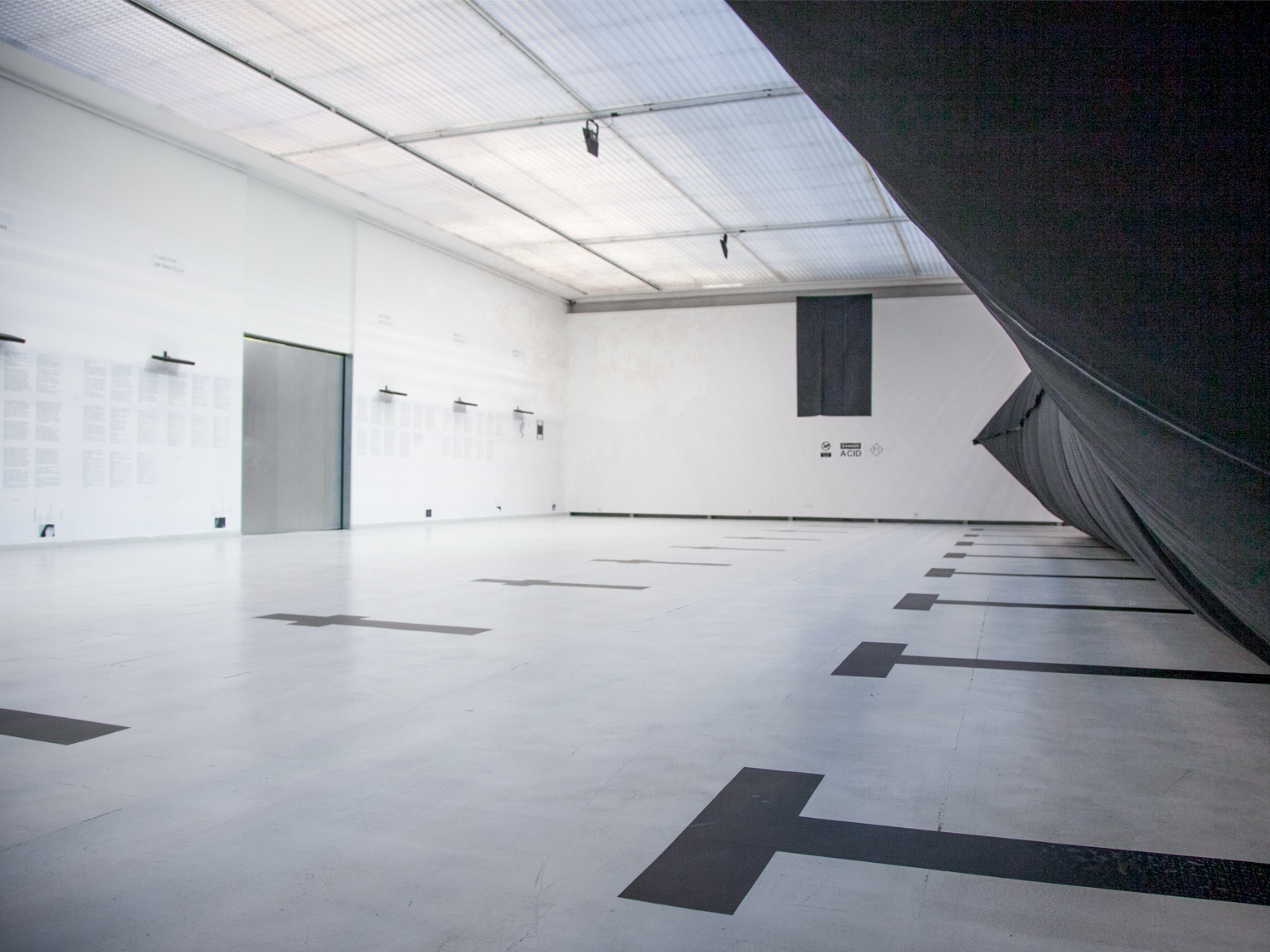
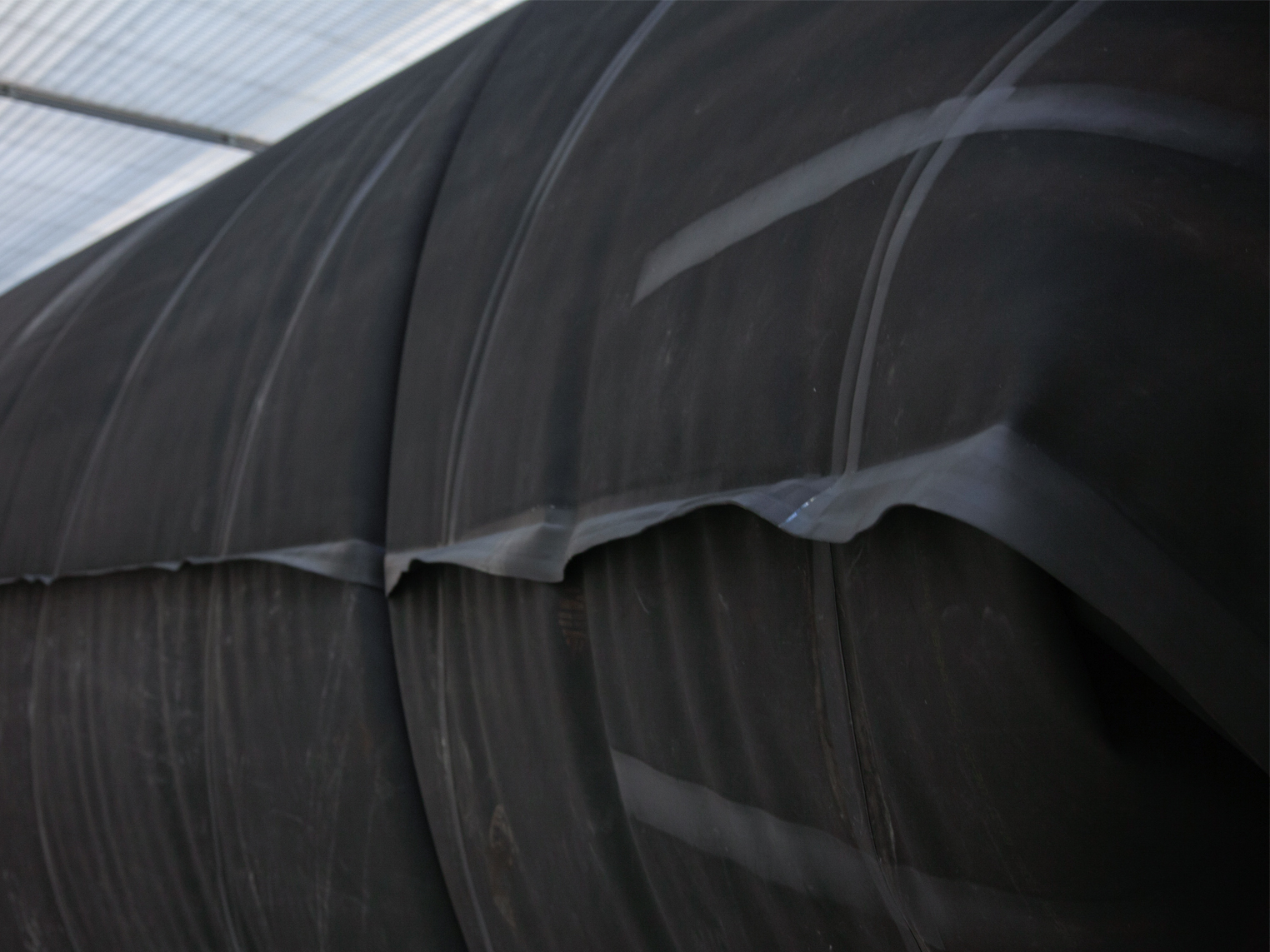
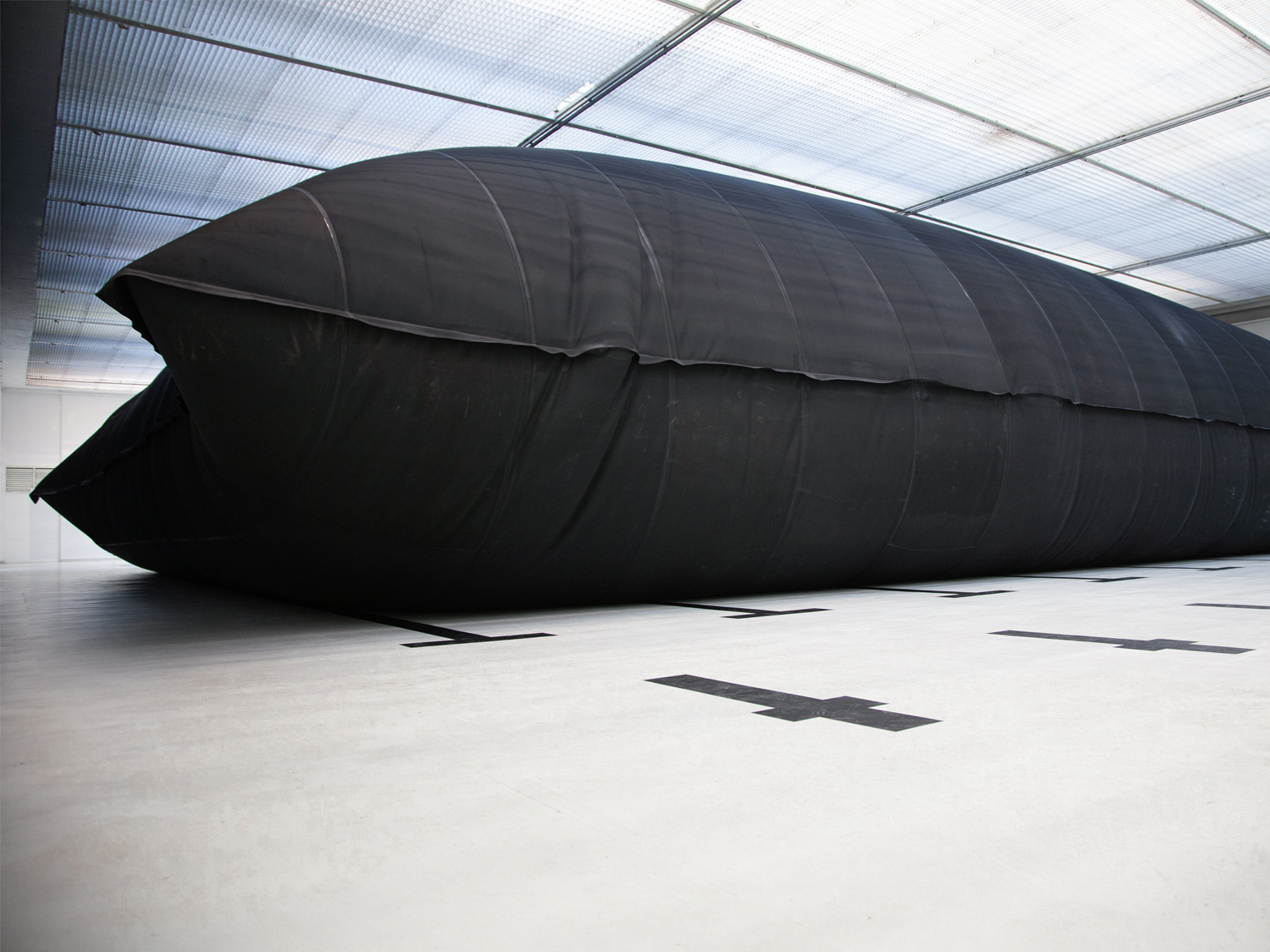
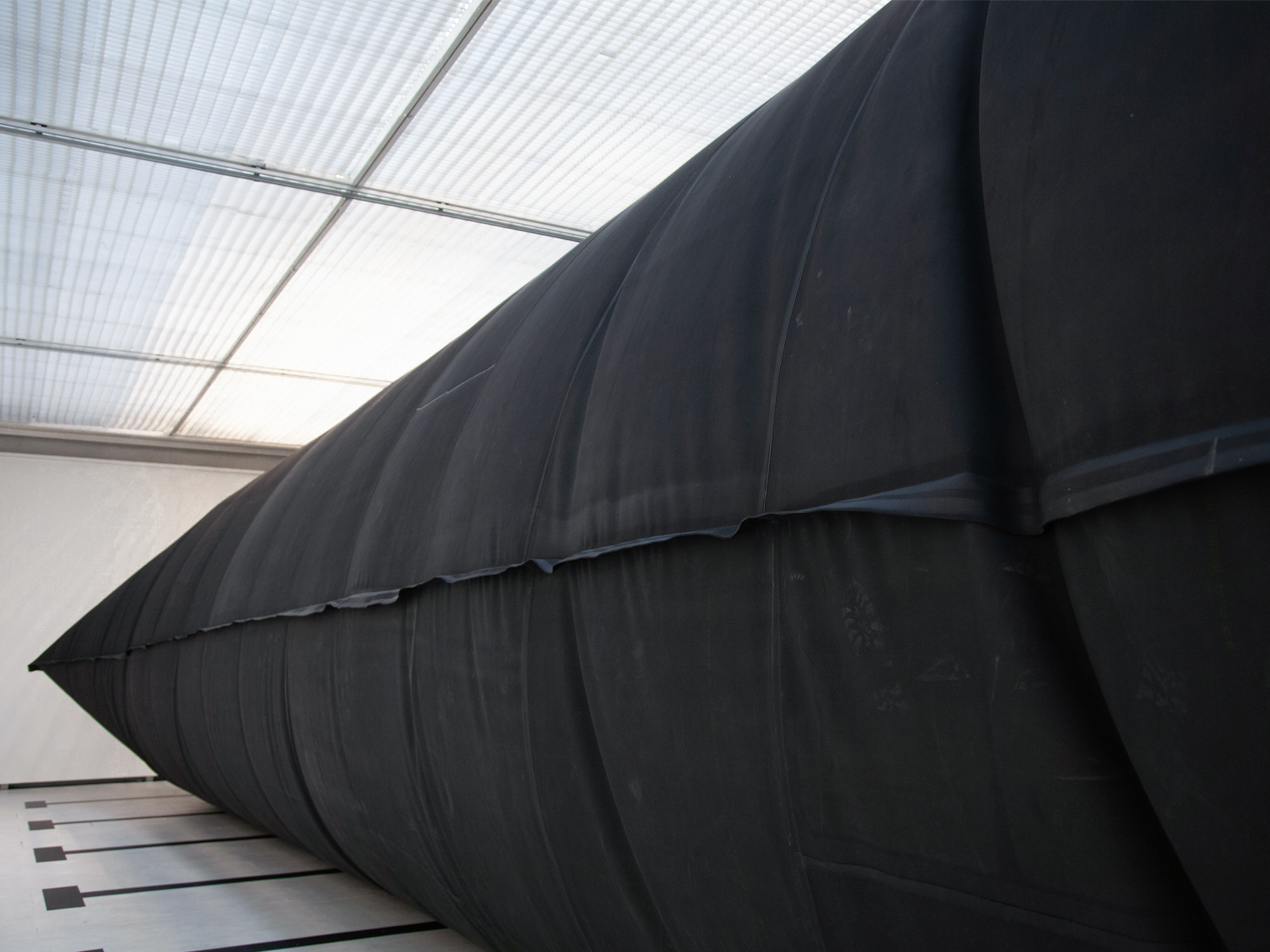
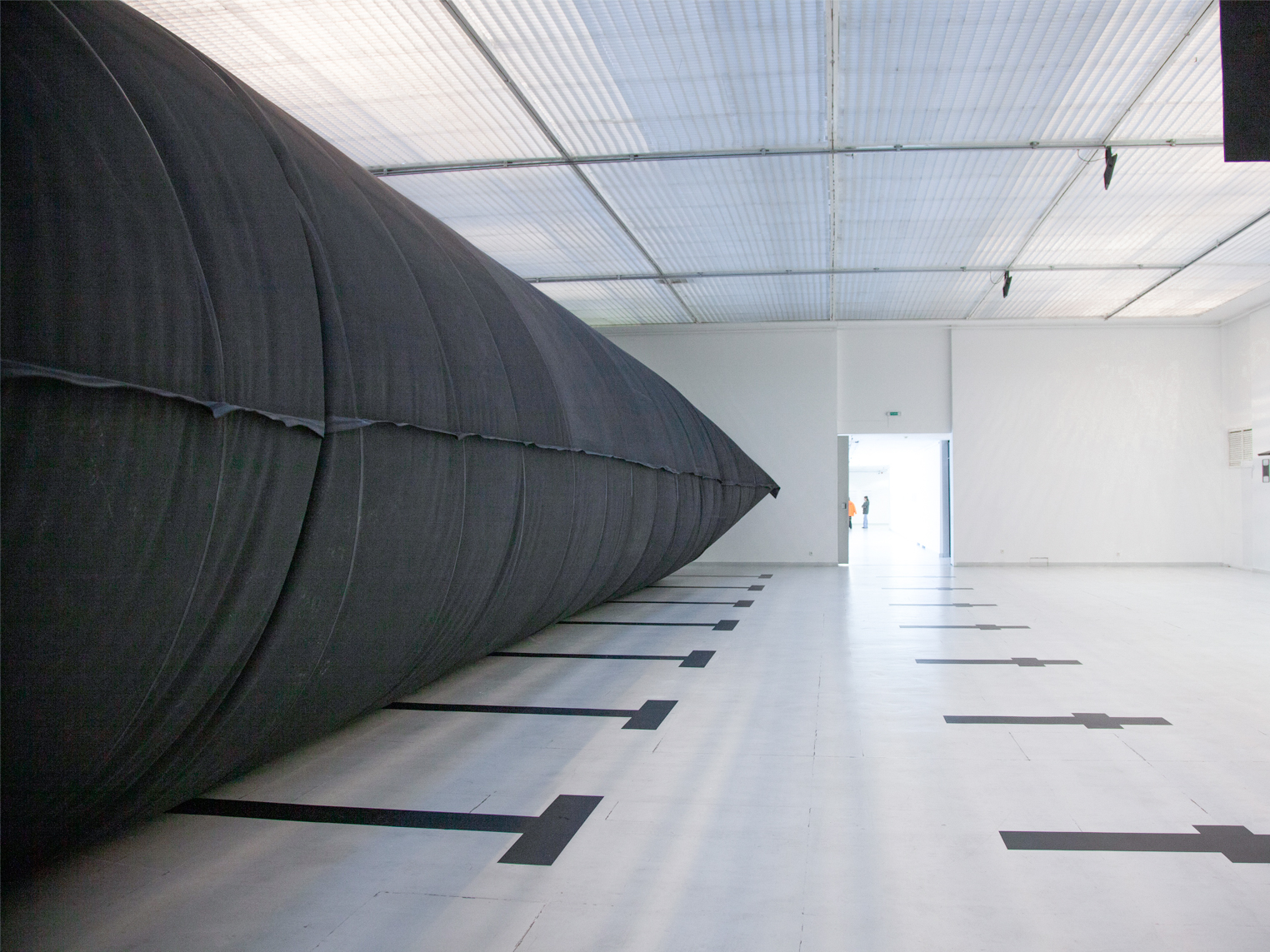
Formalism: failures was an exhibition co-curated with Audrius Bučas at the Contemporary Art Centre, presenting for the first time a gigantic object of almost incomprehensible scale created by the two artists, nicknamed the ‘black pillow.’ […]
– Virginija Januškevičiūtė
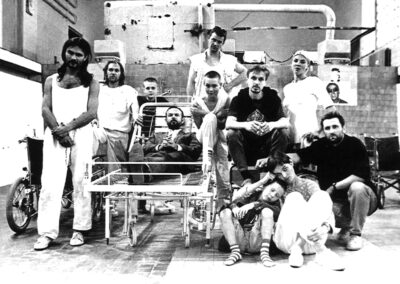
‘The CAC isn’t a success story; it’s a story of failure,’ says the frustrated Ozarinskas during the informal opening of the exhibition Formalism to a handful of attendees, which includes the participants of the exhibition, and the camera of artist Evaldas Jansas. For some time, it was precisely this institution that, it seemed, allowed him to carry out his most ambitious ideas and offer solutions to the issues he found most pressing. Audrys Karalius, an editor of the architectural magazine Statybų pilotas (the same one that announced The Hanover Juicer prize earlier), will write in Ozarinskas’s obituary about ‘the boundless spaces of visual art’, in which his architectural thinking and talent was, according to Karalius, successfully employed. Raimundas Malašauskas will use one of Ozarinskas’s conceptual designs in an exhibition at a prestigious Mexican museum saying that the show was inspired by the idea that ‘everything is possible but it doesn’t mean that it’s less real.’ This exhibition will open the same year as Formalism. However, most utopias in the visual arts must be built on an extremely tight budget and only last several weeks. There seems to be no end to compromising and diplomacy. It in no way compensates for what Ozarinskas and the other architects in his circle have lost by being unable to fully realise their ambitions.
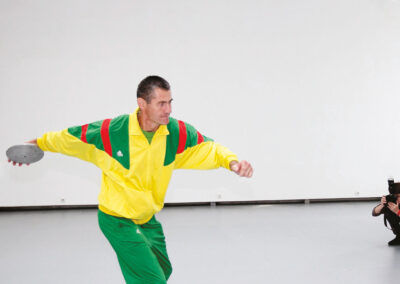
“I see how my homeland is going downhill, and what’s happening in the battles of the art field, and so rather than emigrate or take some other drastic action, I decided to take a more formal approach. A very formal approach to be precise.” An inflatable rubber pillow the size of the Great Hall at the CAC represents the scale of the failure. Ozarinskas spontaneously tries to get as close to the pillow as possible and hug it, but he bounces back; other participants and visitors of the exhibition follow his lead and, one after another, do the same.
‘The difference between success and failure is completely formal,’ says art historian Renata Dubinskaitė to Jansas’ camera. A few weeks later, the photographer Algimantas Kunčius will film Black Pillow as if it were a giant cuddly dog. At the end of his film In Memoriam Valdas Ozarinskas we see the abandoned Lietuva cinema, in whose place the Mo museum, designed by Daniel Liebeskind, will rise in 2018.
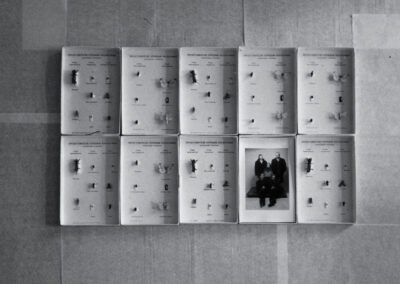
‘If I could wake up in a different place, at a different time, could I wake up as a different person?” — asks the protagonist of “Fight Club”. A screen shot of Tyler Durden (played by Brad Pitt) from this 1999 film is among the many laminated images in Ozarinskas’ ever-increasing collection of “inspirons”. Over the years, the artists, art historians, architects and other collaborators, with whom he developed exhibitions and “projects” (before the term was much used) — often borne out of boredom or anger — became members of his own Planet Tyler, Ozarinskas’ own fight club.
– Virginija Januškevičiūtė, „Artistic Actions: The Fight Club“, in Architect without Architecture? A Retrospective of Valdas Ozarinskas: exhibition guide, ed.: Virginija Januškevičiūtė, Vilnius: Contemporary Art Centre, 2018, p. 20–21.
That his ambition was greater than the opportunities for practice available to him is the source of an enduring tension throughout Ozarinskas’ varied work. That sentiment — disappointment, but not complacency — took on conspicuous proportions with his project “Black Pillow”, a 25-metre black rubber inflatable first shown at the CAC in 2010 and later in the 2012 Liverpool Biennial. Exhibited at the height of the economic crisis in Lithuania, it evoked a deeply pessimistic national ethos at the imposition of austerity measures. “Black Pillow” was, indeed, big enough to absorb the variety of personal and collective disappointments; like the crisis, it was an unavoidable, omnipresent. It came to represent not only the architect’s sense of failure to practice building as such, but also the collective disenchantment of a society that had entered the European Union less than a decade prior on a wave of optimism about the political and economic future.
[…] For his bouts of discontent, he was an optimist by nature. Ultimately, his work appears prescient in retrospect. Ozarinskas practiced architecture through a variety of alternative methods that are now key features of an expanded definition of the profession — his legacy is more relevant than ever for a global generation of architecture- school graduates who see no hierarchy between designing exhibitions and buildings.
– Anna Kats, “Valdas Ozarinskas: Architecture by Other Means”, in Architect without Architecture? A Retrospective of Valdas Ozarinskas: exhibition guide, ed.: Virginija Januškevičiūtė, Vilnius: Contemporary Art Centre, 2018, p. 9–10.
Authors: Valdas Ozarinskas, Audrius Bučas
Exhibited in _formalizmas ne_sėkmės_ at the Contemporary Art Centre, Vilnius, 2010; the Cēsis Art Festival Experiment and Excellence (Latvia) 2011 m.; and the Liverpool Biennial, 2012
Photographs: CAC Archive
Other sources:
Liudvikas Jakimavičius, ‘_formalizmas ne_sėkmės_’ 2010, https://cac.lt/paroda/_formalizmas__ne_sekmes_/.
Andrius Jakučiūnas, ‘Kaip nesėkmę paversti sėkme’, Bernardinai.lt, 12 December 2010, https://www.bernardinai.lt/2010-12-28-andrius-jakuciunas-kaip-nesekme-paversti-sekme/.
Evaldas Jansas, ‘_formalizmas ne_sėkmės_’, YouTube video, 2010.
Virginija Januškevičiūtė, “Juodasis Valdo Ozarinsko periodas” [The Dark Period of Valdas Ozarinskas], Nemunas, 2010, no. 10, https://www.nemunas.press/straipsniai/nesekmes-juodasis-valdo-ozarinsko-periodas/.
Algimantas Kunčius, In memoriam Valdas Ozarinskas, film, 2010; screened at the author’s exhibition at the National Art Gallery, Vilnius, 2015.
Agnė Narušytė, ‘Architekto mostai. In memoriam Valdas Ozarinskas (1961–2014)’, 7 meno dienos, 19 December 2014, https://www.7md.lt/tarp_disciplinu/2014-12-19/Architekto-mostai
Art Projects