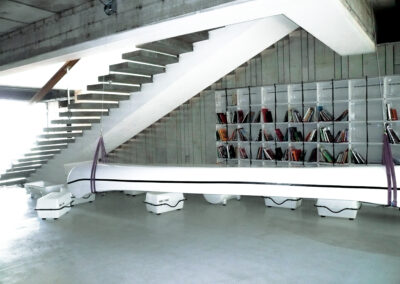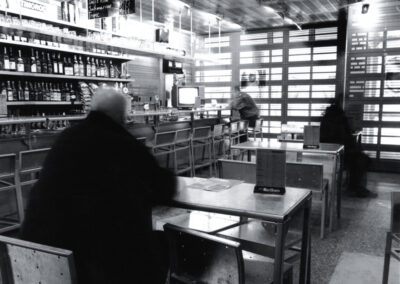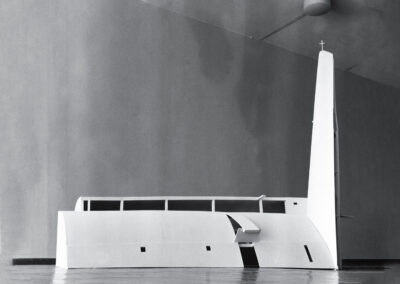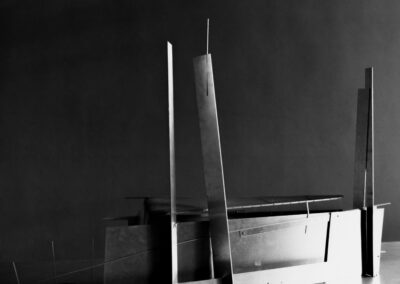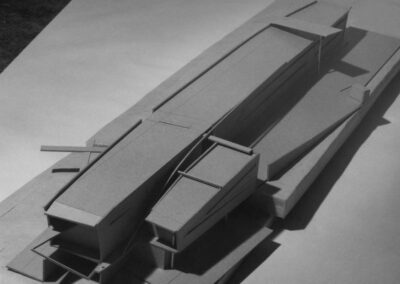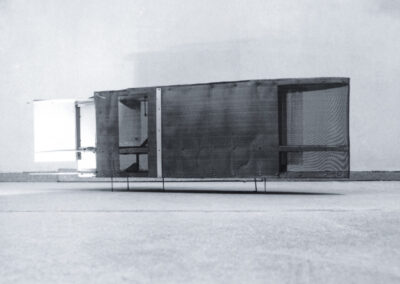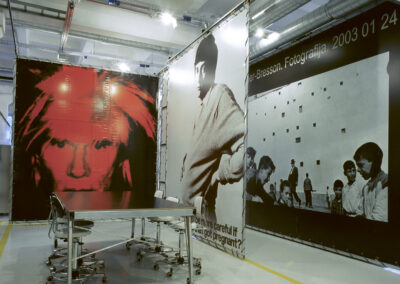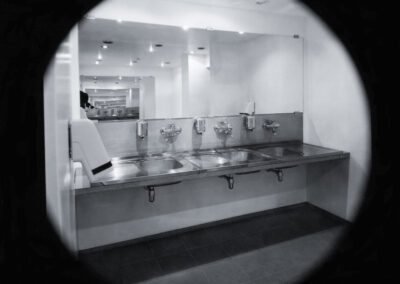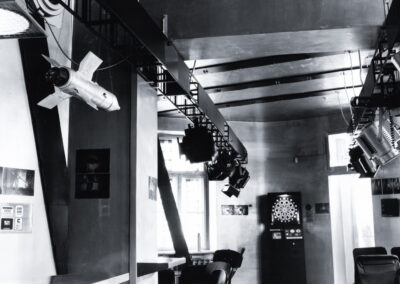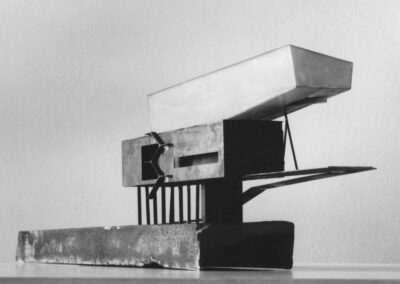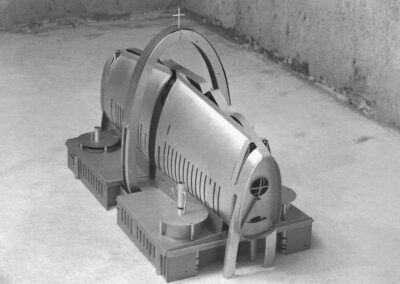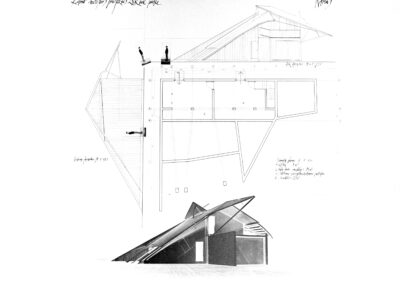
Early Interior Adaptations of the CAC, 1998
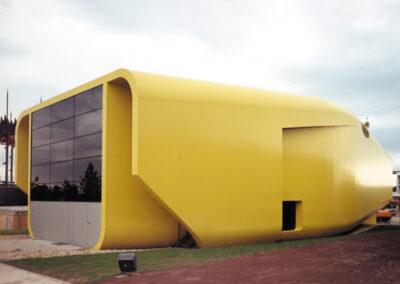
From the outset, the architectural form of the Contemporary Art Centre (CAC) in Vilnius has functioned as one of the institution’s most important means of cultural communication. Designed by Vytautas Edmundas Čekanauskas, the building has become a classic of late Lithuanian modernism, encoding an ongoing dialogue between authentic form and modernity. The original project remains a fundamental point of reference and cannot be disregarded.
Valdas Ozarinskas, whose creative biography is closely intertwined with the CAC, was among the key long-term shapers of the institution’s architectural identity. According to the organisers of the 2018 retrospective exhibition, he worked at the CAC for more than half of the institution’s existence: ‘he worked as its architect and contributed in every way to its creation and image, and also participated in more than one exhibition and occasionally curated them, opening the doors to ideas that reflected his interests and to his like-minded colleagues.'[1]
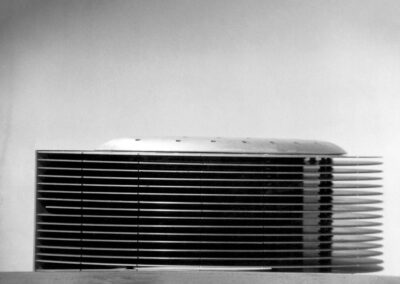
Over this extended period, both functional and intellectual interventions were introduced into the physical fabric of the CAC, making it one of the most striking examples in contemporary Lithuanian architectural history of a building situated at the epicentre of an ongoing dialogue between an original spatial framework and changing circumstances. The most significant moments in this process include the 1998 renovation of the café, offices, and infrastructural spaces; the 2006 transformation of the foyer; and the 2012 reconstruction of the Cinema Hall (in collaboration with Audrius Bučas). These transformations responded not only to practical requirements but also to a conceptual ambition to turn the building’s ‘inner’ layers into autonomous sites of artistic expression.
Wim Wenders’ film Perfect Days (2023) brought an architectural theme long overlooked into popular culture: public toilets. Hygienic spaces designed by Shigeru Ban, Kengo Kuma, Tadao Ando, and other Japanese architects are transformed in the film into aesthetic and cultural stages that shape everyday life and human dignity. A comparable attention to functional spaces characterises Ozarinskas’s interventions at the CAC, where offices, kitchens, foyers, and even café restrooms acquire the status of conceptual artistic reflection.
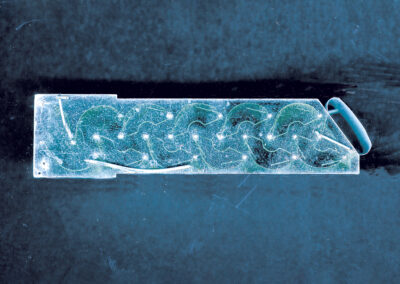
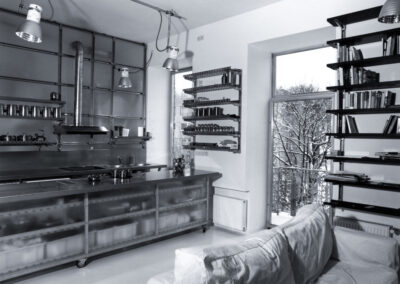
In 1998, when early signs of economic growth began to influence representational spaces more visibly, the shift of aesthetic attention towards a building’s interior layers became an artistic provocation in itself. One of the most striking examples was the café restrooms, ‘whose distinctive feature is hatches and portholes, as if reused from Soviet warships or submarines.'[2] This industrial aesthetic – interwoven with fragments of the past – extended to other spaces as well: offices furnished with rough shelving, and a kitchen dominated by bold colour contrasts. Through these interventions, Ozarinskas revealed the poetic potential of the everyday – a gesture that contemporary architectural criticism increasingly recognises as socially meaningful.
[1] Januškevičiūtė, V., ‘Introduction’, An Architect without Architecture? Valdas Ozarinskas Retrospective: Exhibition Guide, Vilnius: Contemporary Art Centre, 2018, p. 3
[2] Varnelis, K. stalker architecture: design and (private) ideology (valdas ozarinskas), https://varnelis.net/stalker-architecture-design-and-private-ideology-valdas-ozarinskas/
– Vaidas Petrulis
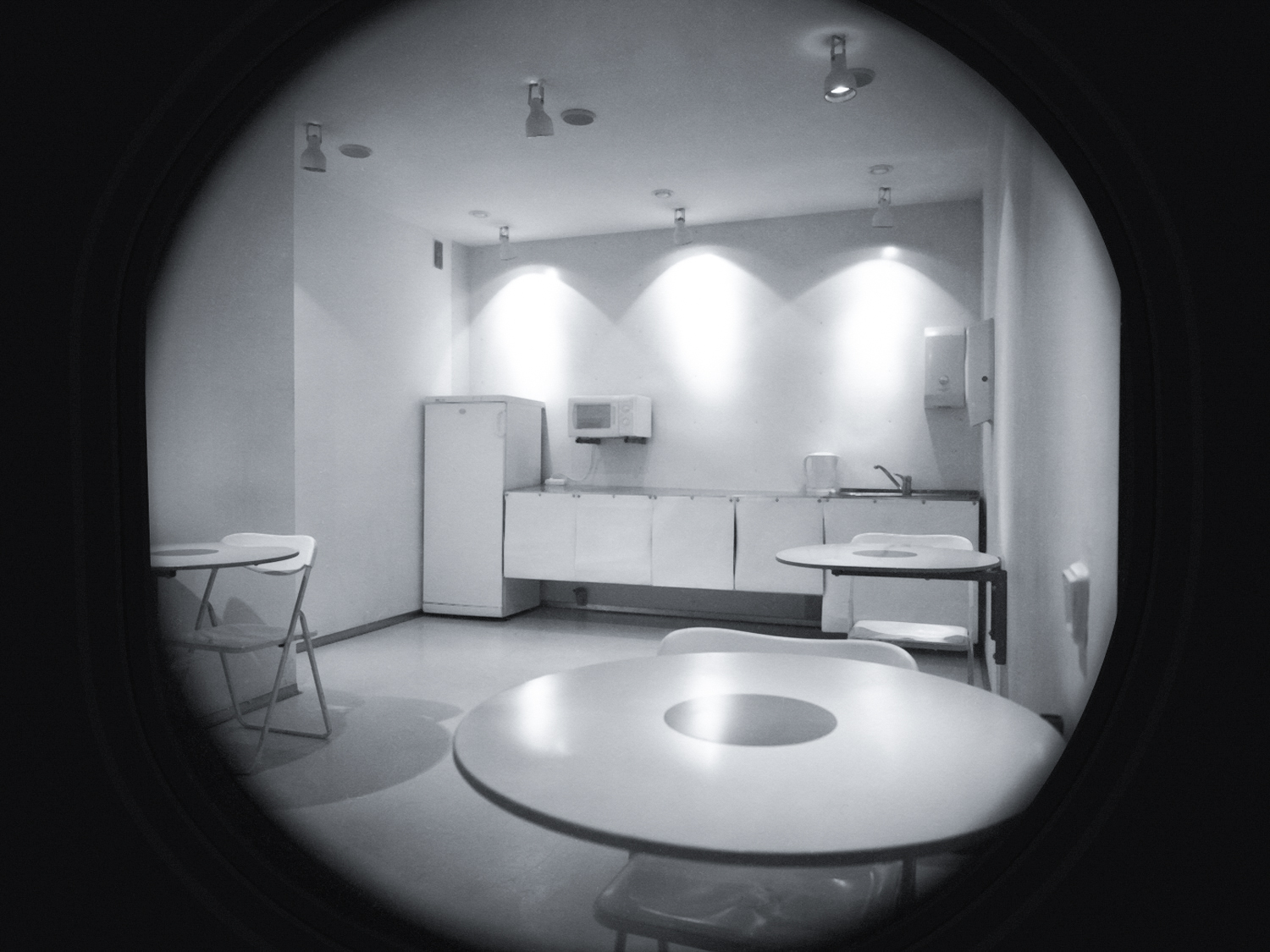
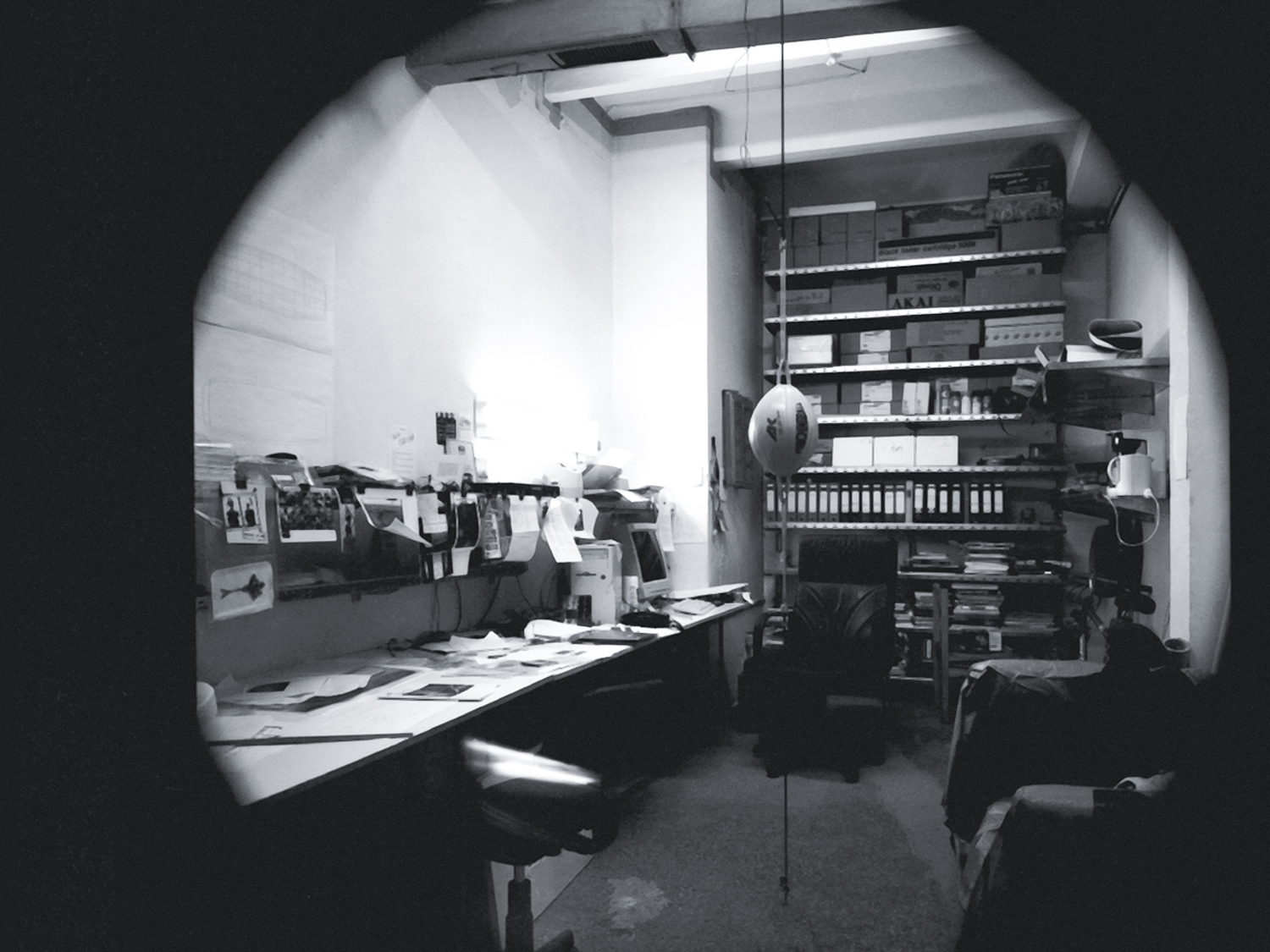
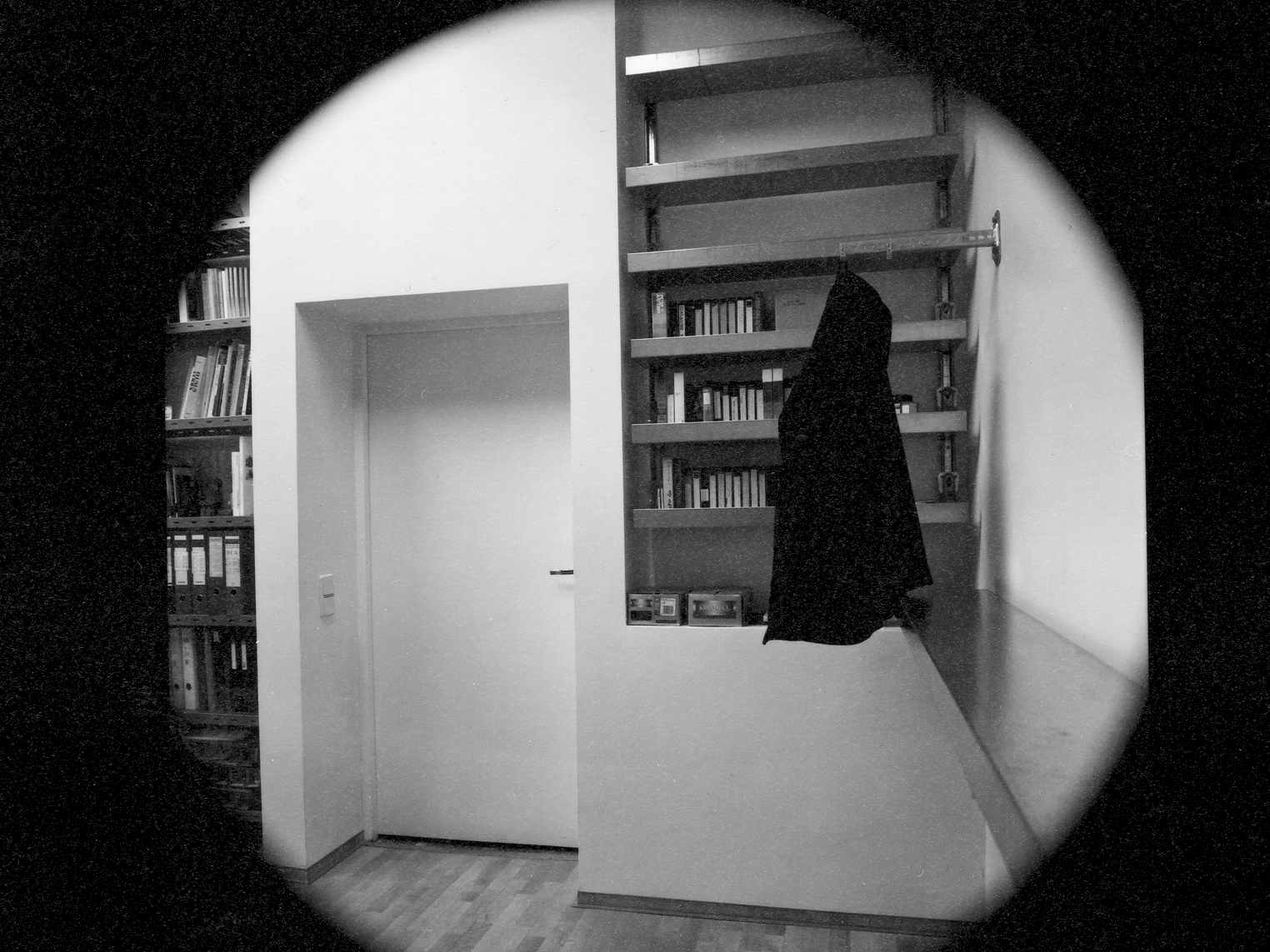
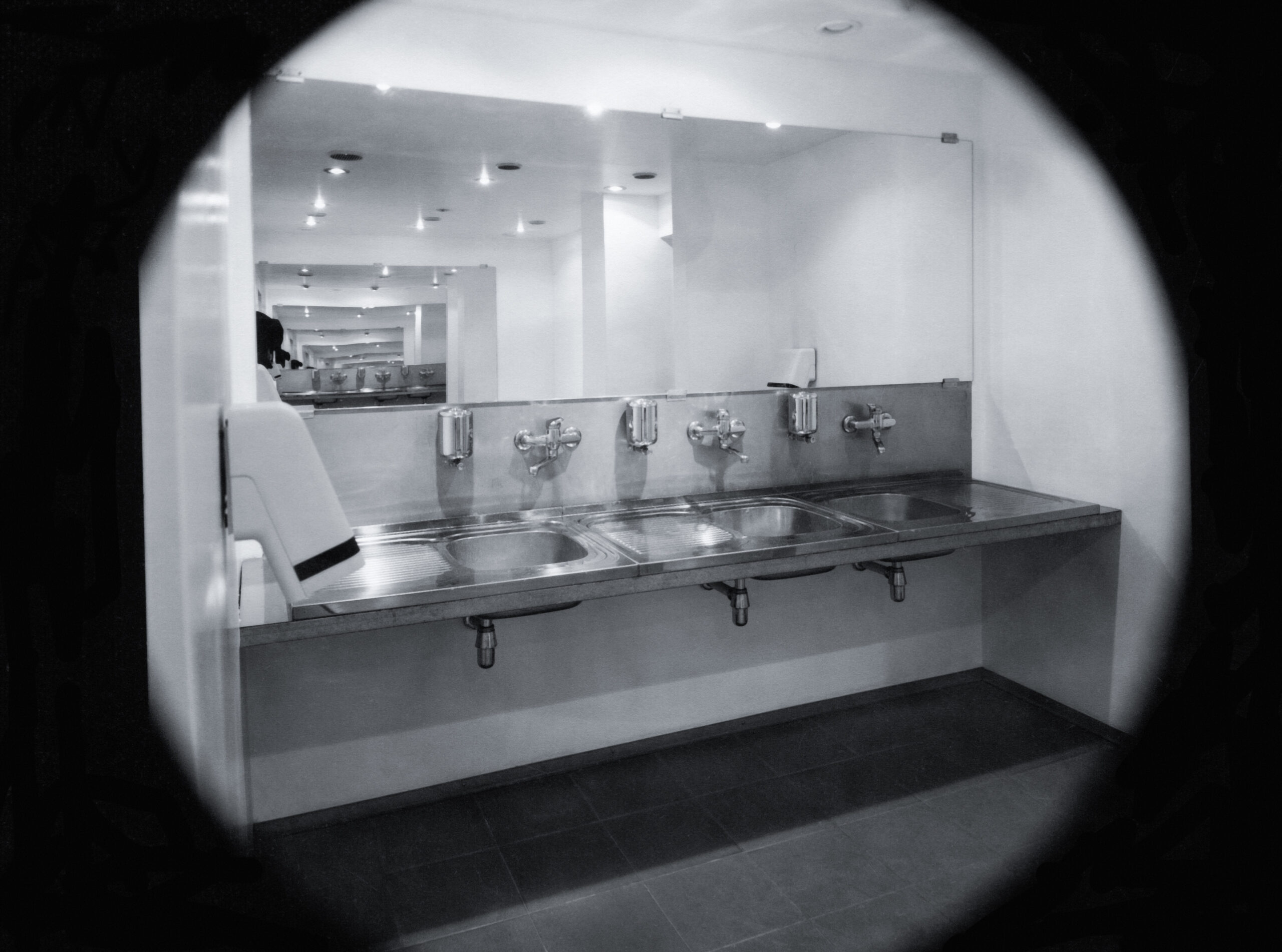
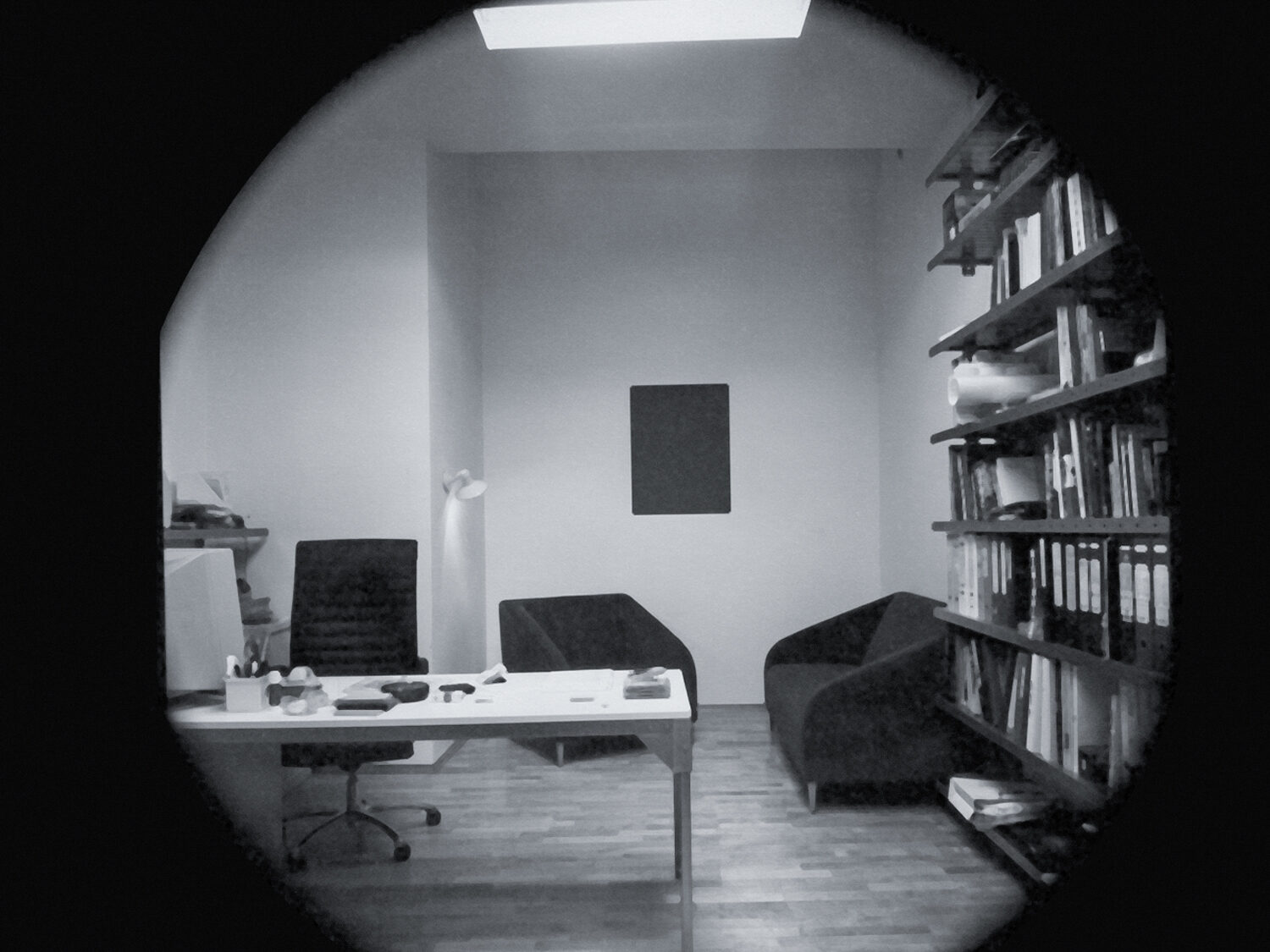
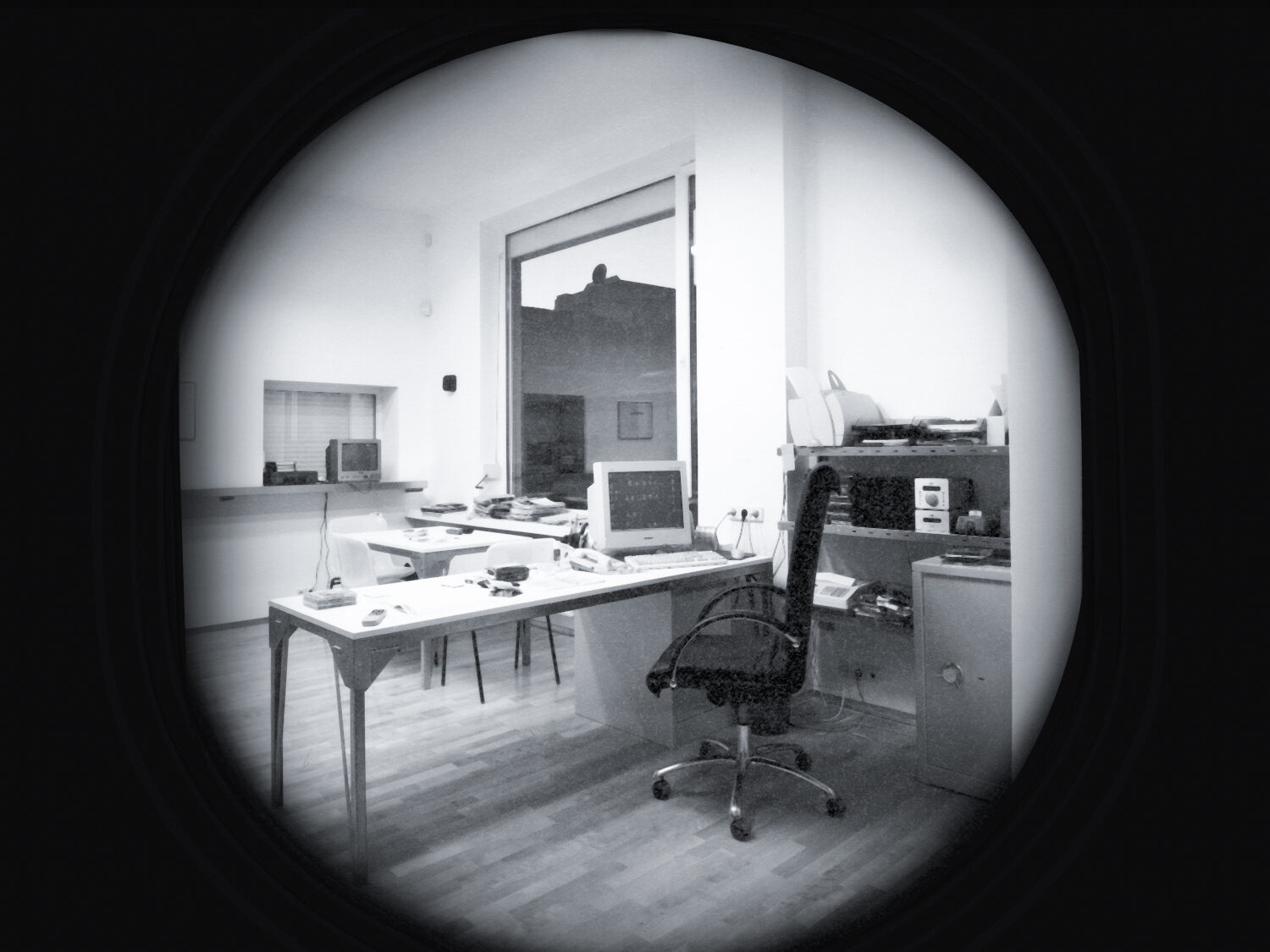
Author: Valdas Ozarinskas
Photographer: Gintautas Trimakas
Realised at the CAC, Vilnius. No longer extant.
Sources: Renata Šarkauskaitė, ‘[Baltas baltame]. Pokalbis su architektu Valdu Ozarinsku’, Centras, 2001, no. 2 (14), p. 26.
Architecture