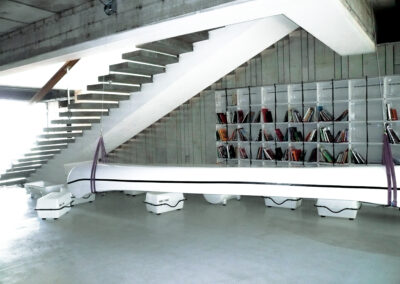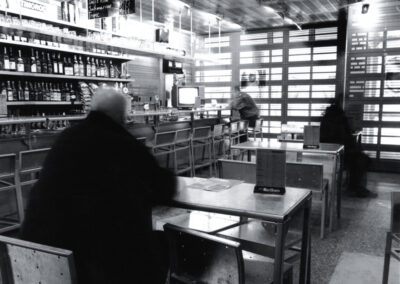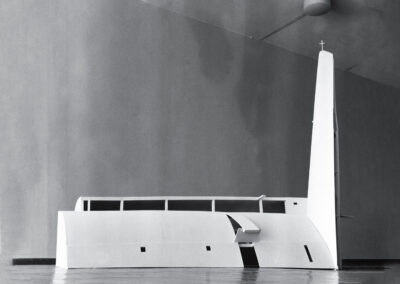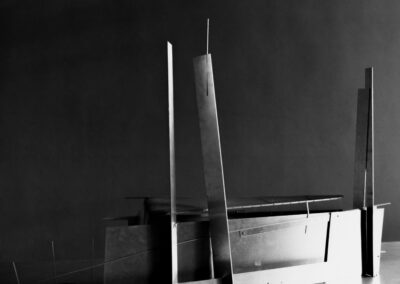
EXPO 2000: Lithuanian Pavilion, 2000
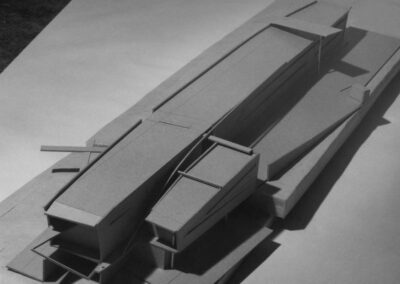
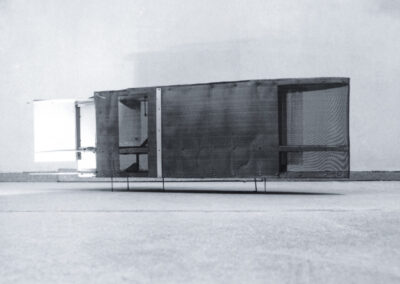
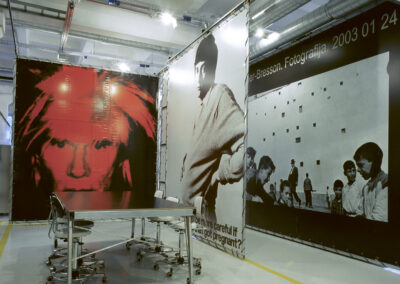
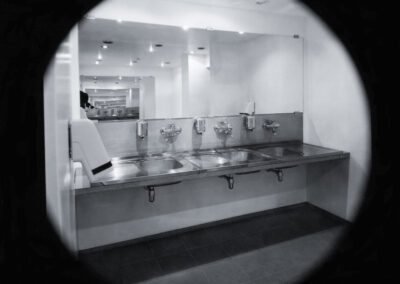
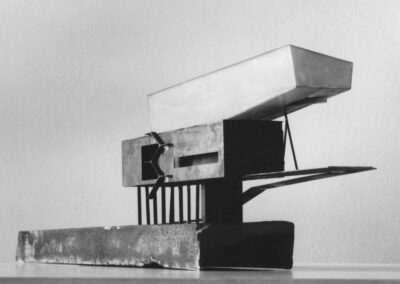
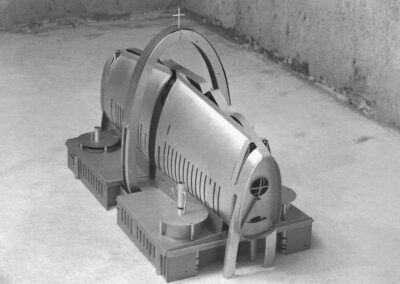
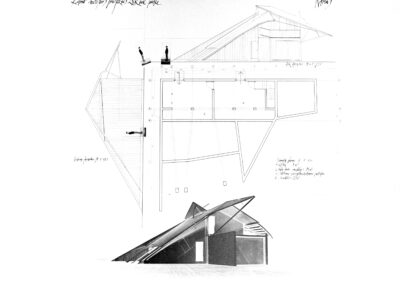
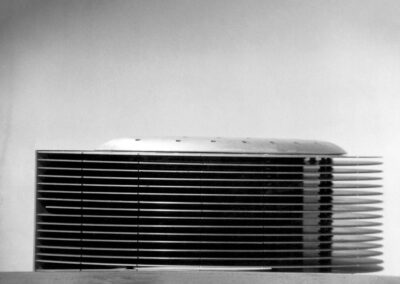
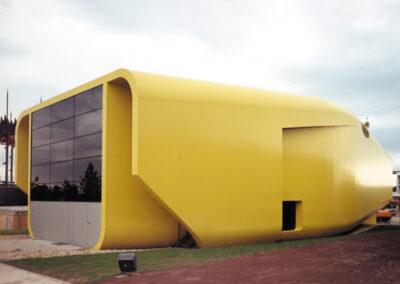
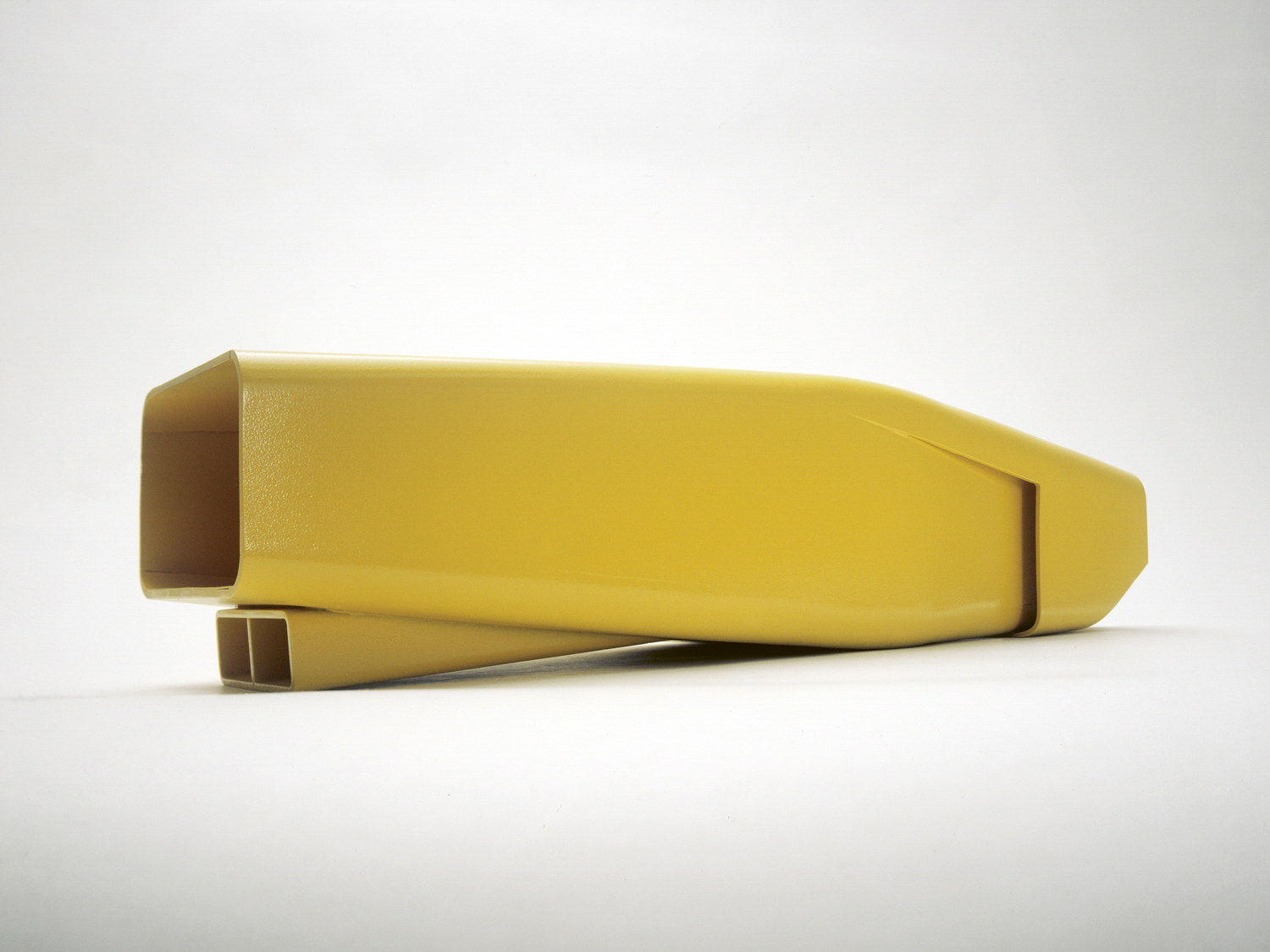
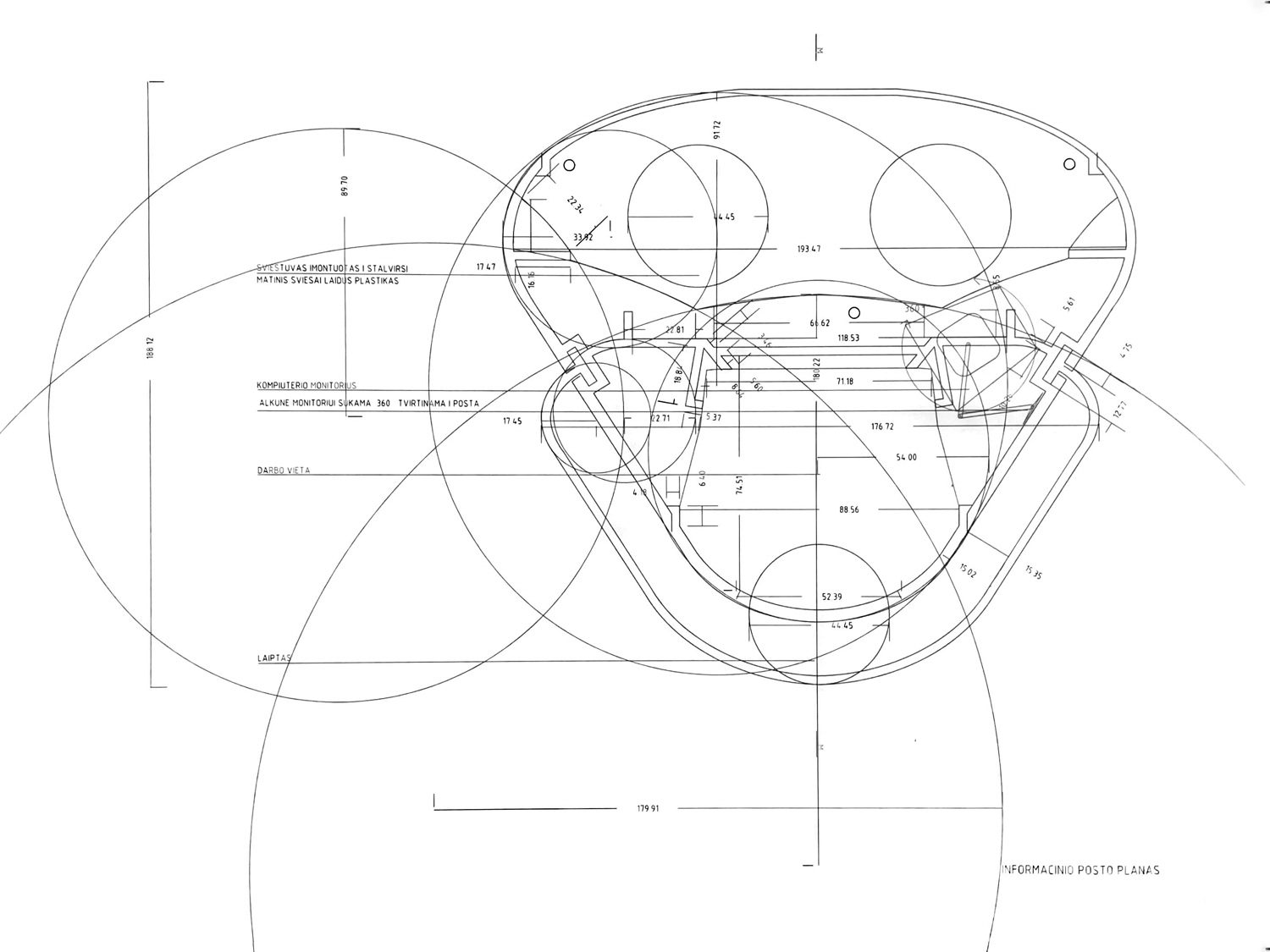
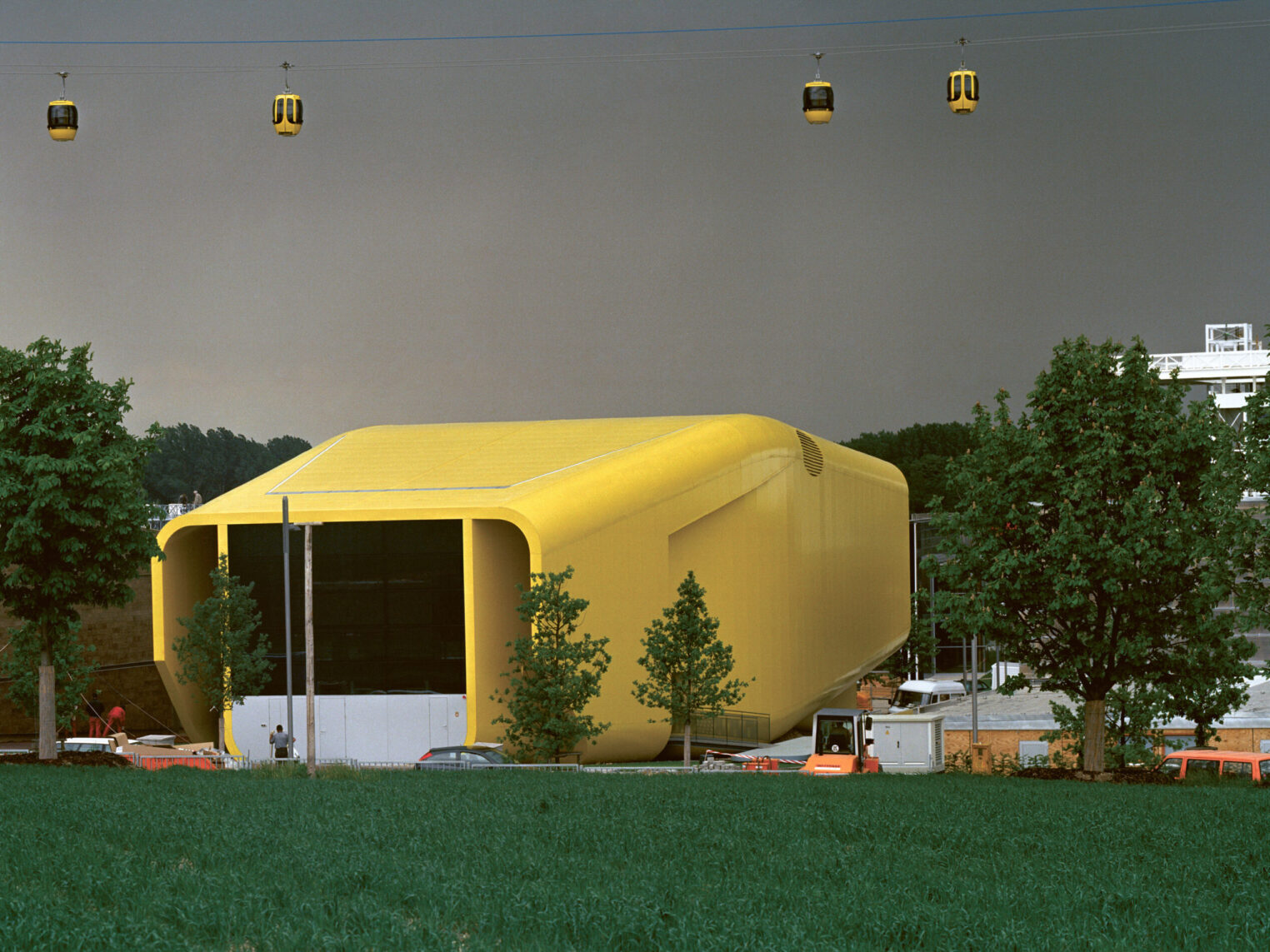
At EXPO 2000, held in Hanover in 2000, Lithuania presented a pavilion that immediately became the focus of a heated debate. The architectural group Privati ideologija (Private Ideology) – Marina Bučienė, Audrius Bučas, Gintaras Kuginys, Valdas Ozarinskas, and Aida Čeponytė – deliberately chose a provocative message. Rather than searching for a historically grounded Lithuanian architectural identity, they proposed a futuristic, bright yellow structure built around a metaphor of flight: the pavilion’s volume resembled an aircraft engine or even an object from Star Wars.
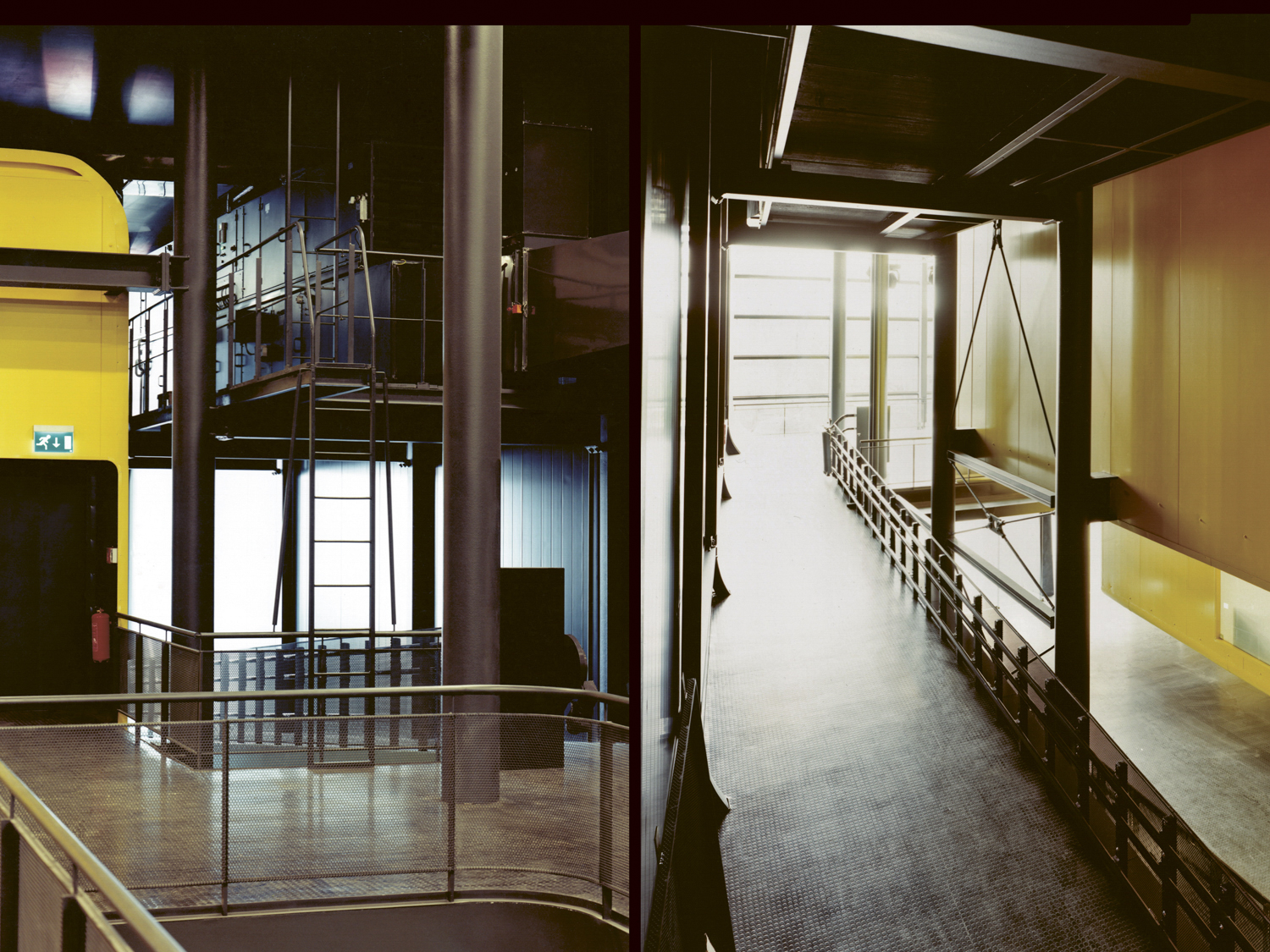
Its expressive steel structure and bold colour palette blended convincingly into the context of contemporary architecture. The pavilion clearly leaned towards a hi-tech aesthetic, positioning itself within a lineage shaped by projects such as the Centre Pompidou in Paris. Its concept captured the spirit of the time and aligned with international architectural trends. The sculptural volume speaks a related language to that of the Casa da Música in Porto, designed by Rem Koolhaas’s team. It is therefore no coincidence that the British magazine Wallpaper described the pavilion as ‘about as far removed from a traditional building as you can get’ and ‘daring to break away from orthodox aesthetics’,[1] while the Belgian daily De Standaard awarded it third prize for ‘demonstrating the optimism of a young nation.'[2] In this way, the pavilion projected an image of a progressive, technologically ambitious state, ‘freeing its architecture from the usual ethnographic motifs.'[3]
At the same time, the pavilion’s radical form and unexpected aesthetics provoked intense controversy. Instead of the ‘associations with aerodynamic aircraft and car shapes'[4] proposed by the authors, sections of the Lithuanian media saw a ‘juicer’, while the Lithuanian Union of Architects accused the team of ‘discrediting the professional community.'[5] Although the pavilion was, in fact, intended to be covered in one of the colours of the Lithuanian flag, critics interpreted the bright yellow and the absence of explicit symbolism as having little to do with Lithuanian identity. The conflict was further intensified by the architects’ decision to specify zero remuneration in the competition – an intentional provocation aimed at exposing the absurdities of public procurement practices in which price, rather than quality, often becomes the decisive criterion. The professional community perceived this gesture as an affront and reacted with particular sensitivity.
Following intense debates over professional ethics, protests, court cases, appeals, and two rounds of competition, the project was ultimately realised. In retrospect, it stands as a symptomatic sign of the first decade of independence, revealing a shifting relationship between architects, institutions, and clients. While at the Contemporary Art Centre Ozarinskas was able to interpret space according to his own artistic logic, beyond this context he encountered the realities of early Lithuanian capitalism and the bureaucratic apparatus of a nascent state – realities not anchored in artistic principles. As Tomas Grunskis and Julija Reklaitė observe in their book Laisvės architektūra (The Architecture of Freedom), the pavilion was ‘a work of architecture of high artistic value, reflecting the architectural ‘convictions’ of a minority and having nothing to do with the local architectural situation and context.'[6]
Looking back, the pavilion’s vision of Lithuania aligned with high technology and boldly oriented towards the global arena can be regarded as at least partially farsighted. Yet its most significant quality may lie in its sensitive response to the conditions of its time and its ability to draw attention to a moment that demanded a critical rethinking of artistic practices, questions of identity, and the role of the state in architecture. Paradoxically, the Lithuanian pavilion – one of the most successful individual projects of the exhibition – was embedded within a wider context of socio-cultural transformation. EXPO 2000 itself was later widely regarded as a striking failure, marked by substantial financial losses and debts, low visitor numbers, chaotic organisation, a weakly articulated thematic identity, and a lack of lasting legacy. This outcome ultimately prompted a reconsideration of how such large-scale exhibitions operate and the messages they convey.[7]
[1] Malašauskas, R. 2002, ‘A Waiter of the Restaurant at Vilnius Train Station Made the Most Colourful Statement at EXPO 2000’, NU: The Nordic Art Review. https://sunvysne.tumblr.com/post/105686207740/valdas-died
[2] Narušytė, A. ‘Architekto mostai. In memoriam Valdui Ozarinskui (1961–2014)’, 7 meno dienos, 19 December, 2014, https://www.7md.lt/tarp_disciplinu/2014-12-19/Architekto-mostai
[3] Kats, A., ’Valdas Ozarinskas: Architektūra kitais būdais’, Architektas be architektūros?, p. 7.
[4] Aiškinamasis raštas [Explanatory note], 1994. From the archive of the Valdas Ozarinskas Foundation.
[5] Varnelis, Stalkerio architektūra: kūryba ir (privati) ideologija: a manuscript. From the book about architect Valdas Ozarinskas (1961–2014) prepared by the gallery Nulinis laipsnis.
[6] Grunskis T., Reklaitė J. 2012, Laisvės architektūra, Vilnius: Baltos lankos, p. 26.
[7] Janssen, H., Mudge, R. (ed.), ‘Revisiting Hanover 10 years after Expo 2000’, Deutsche Welle, 28 April, 2010, https://www.dw.com/en/revisiting-hanover-10-years-after-expo-2000/a-5510543
– Vaidas Petrulis
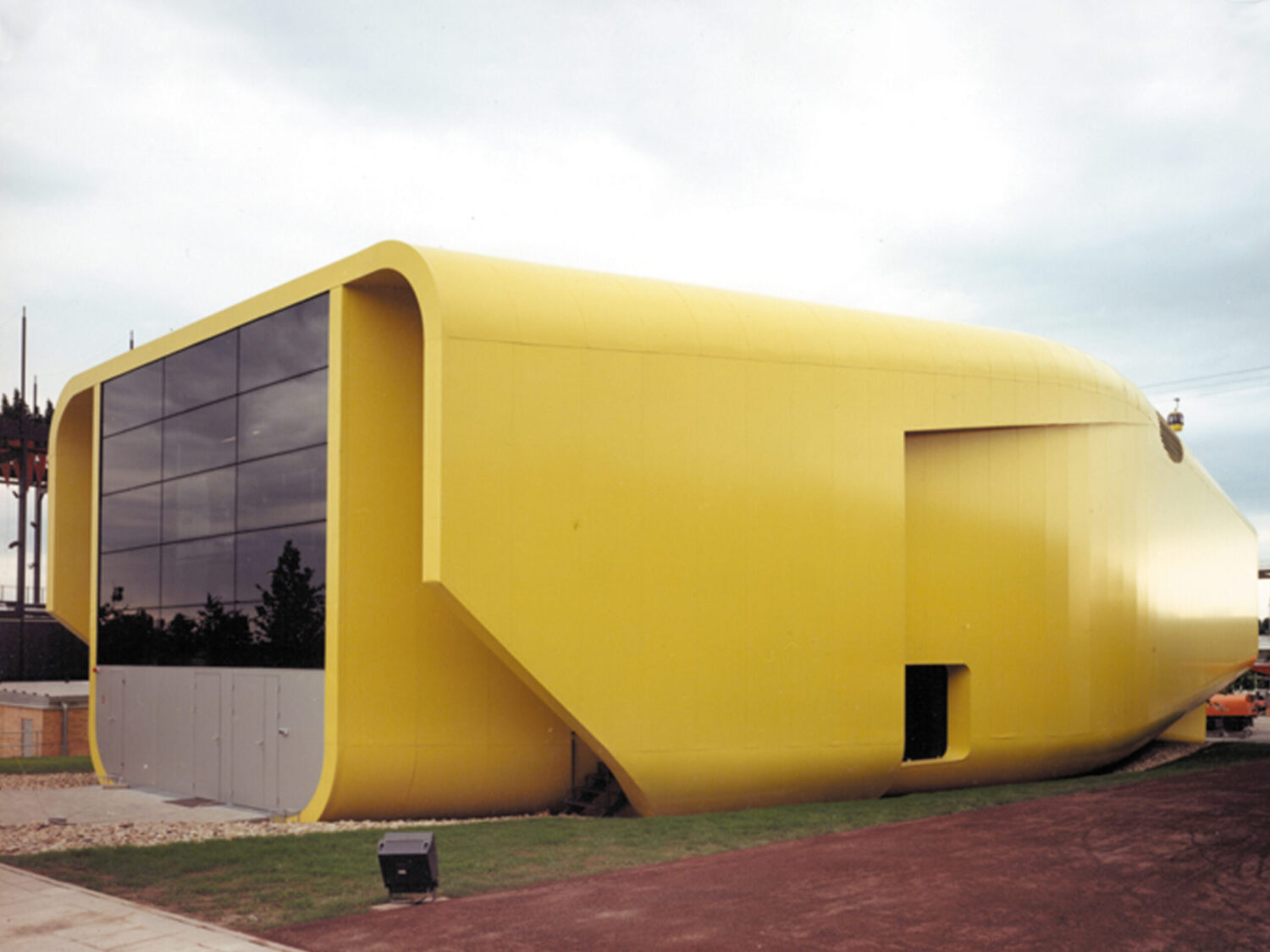
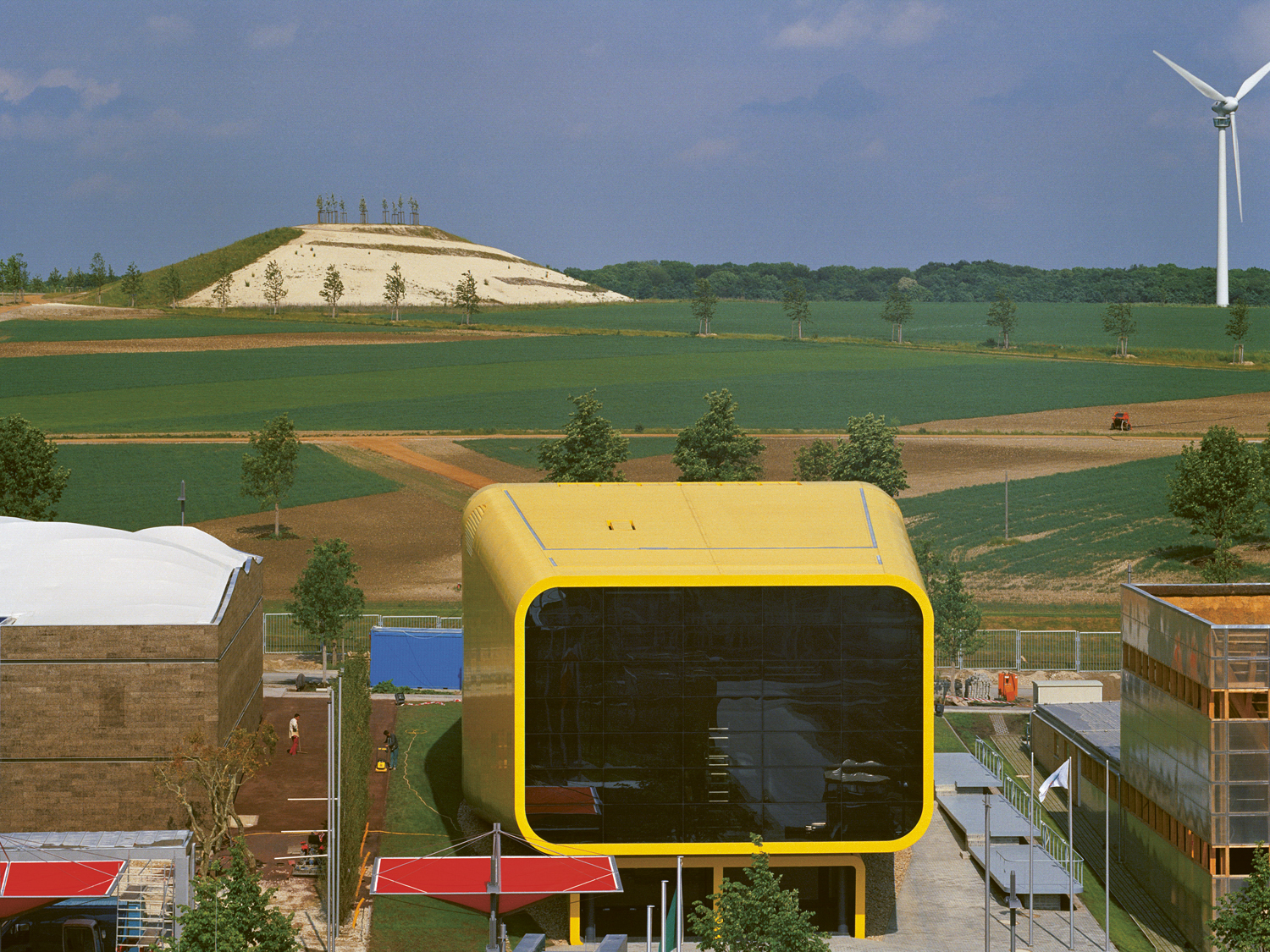
Photographer: Gintautas Trimakas
Built in Hanover, Germany
Other sources:
Wallpaper, May 2000, no. 28.
Centras, 2000, nos. 5–6, pp. 40–41.
Beatričė Laurinavičienė, ‘Konkursą laimėjo maištininkai’, Verslo žinios, June 6, 2000.
Aurelija Mituzienė, ‘Architektai nustebinę pasaulį’, Veidas, January 5, 2001.
Architecture