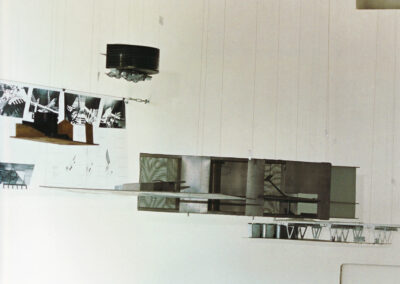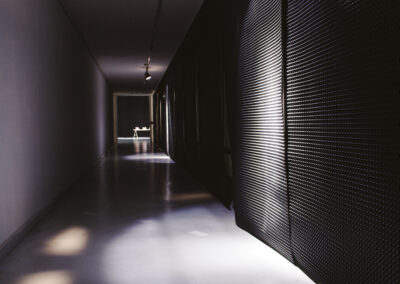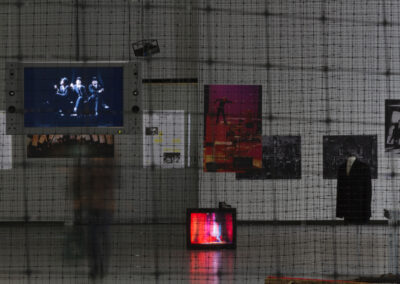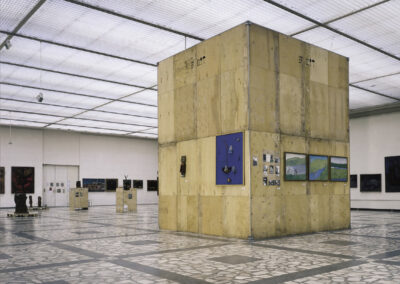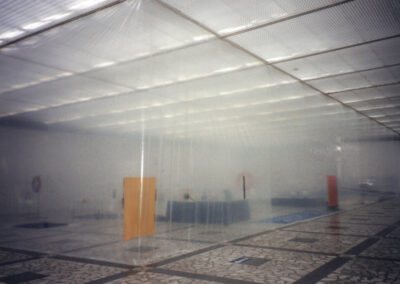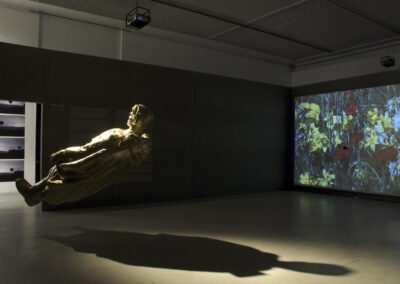
Four Architectures (Estonia, Latvia, Lithuania, Sweden), 2000
Architects have never abandoned their dreams about the future. These dreams consisted of buildings that were impossible to build because they were ideologically unacceptable or technically unrealisable. These projects embraced not only construction but also transformations in ways of life. Therefore, architects became some of the most active utopians – thinkers of a perfect society. The main point of their utopia was to perfect man’s relationship with time and space through a successful political system. It is important to note that during the 1950s and the 1960s, architects still believed in their utopias of space, although Bolshevik and fascist experiments were totally discredited.
In 1963, the famous Dutch architect Constant Nieuwenhuys wrote: ‘The future homo ludens (playing man) will probably be a normal man. His main activities will be focused on the construction of reality, whilst freely creating a world without the hardships and struggle for existence. It should give rise to the revolution of public behaviour. If man becomes independent of work, he will not be attached to one place, he will not have to settle down. He will be able to move freely, to change surroundings and to expand his territories. His relationship with space will be as free as that with his time’ (Daniel Herman, Constant’s New Babylon, Artbyte, March–April, 2000).
– Jonas Valatkevičius, text from the exhibition catalogue Four Architectures: Estonia, Latvia, Lithuania, Sweden (La Galerie d’Architecture, 2000).
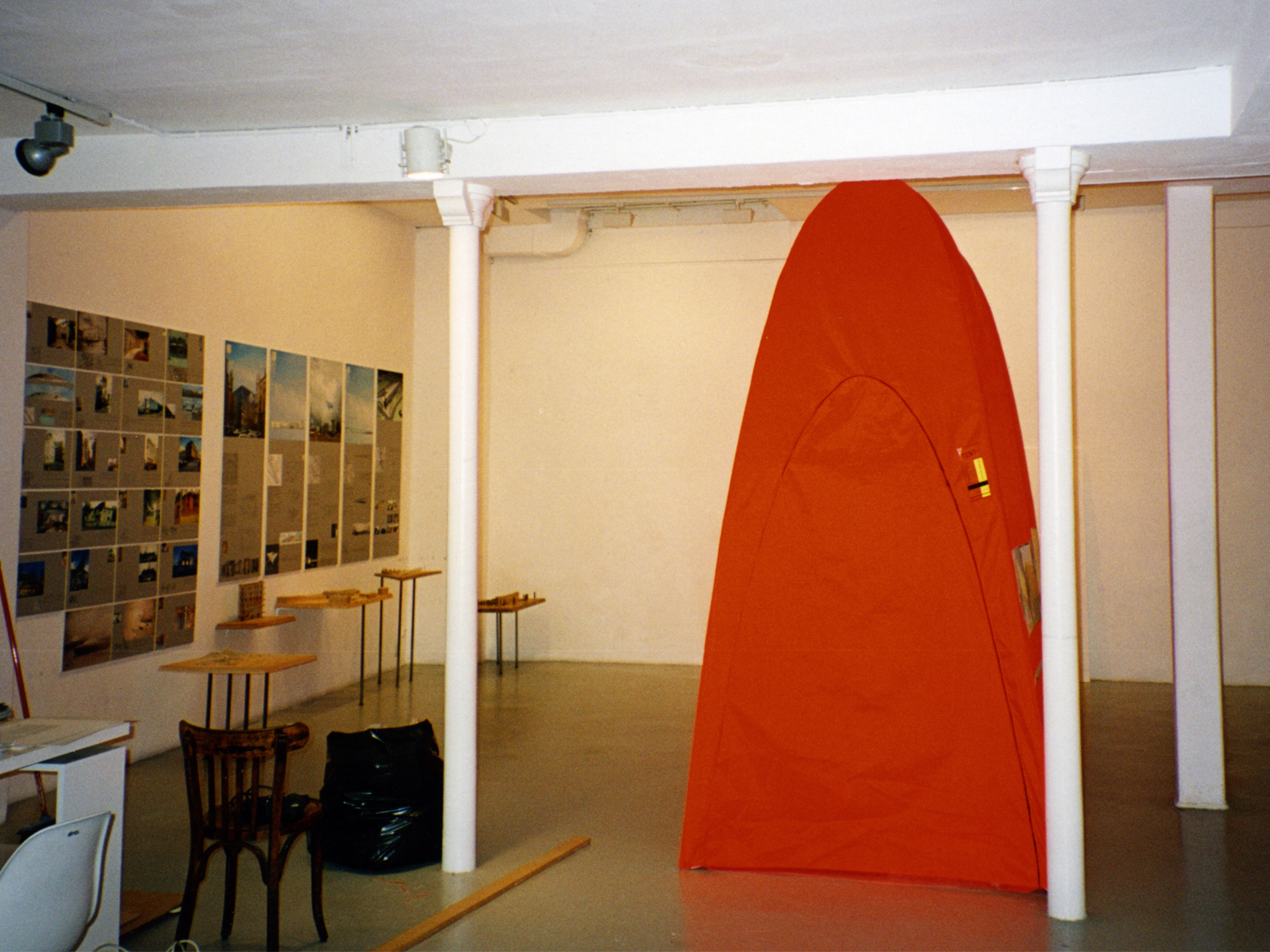
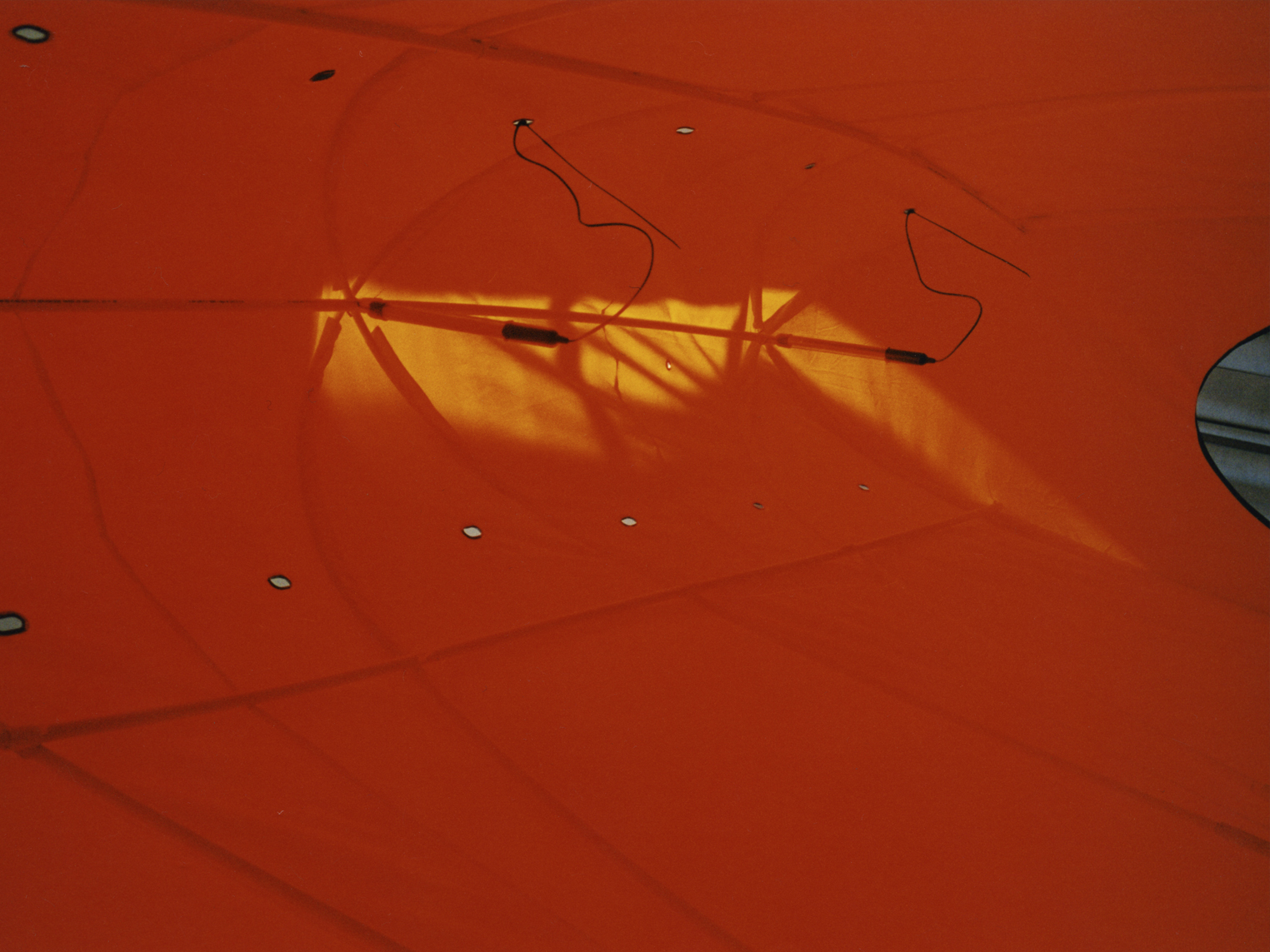
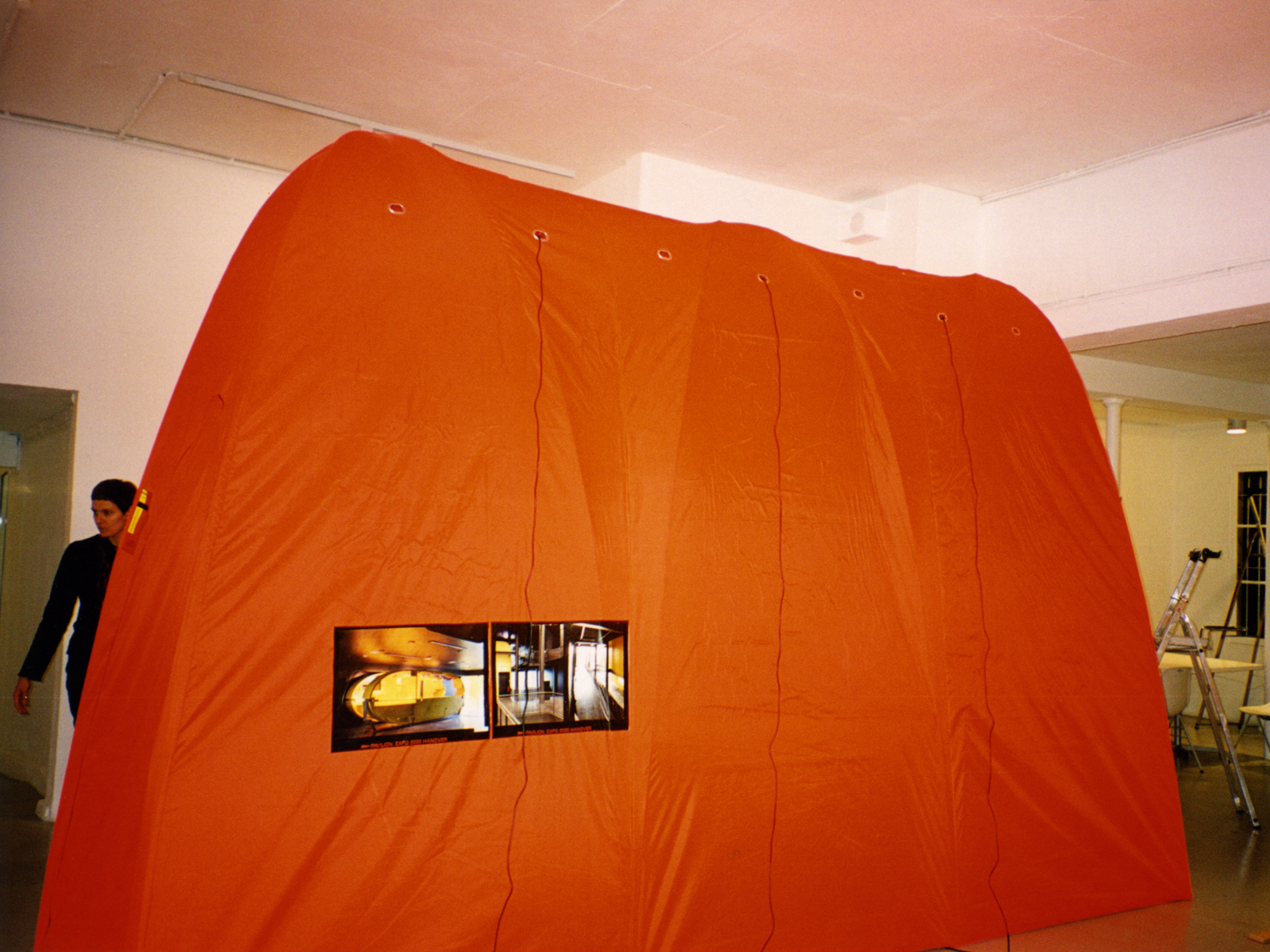
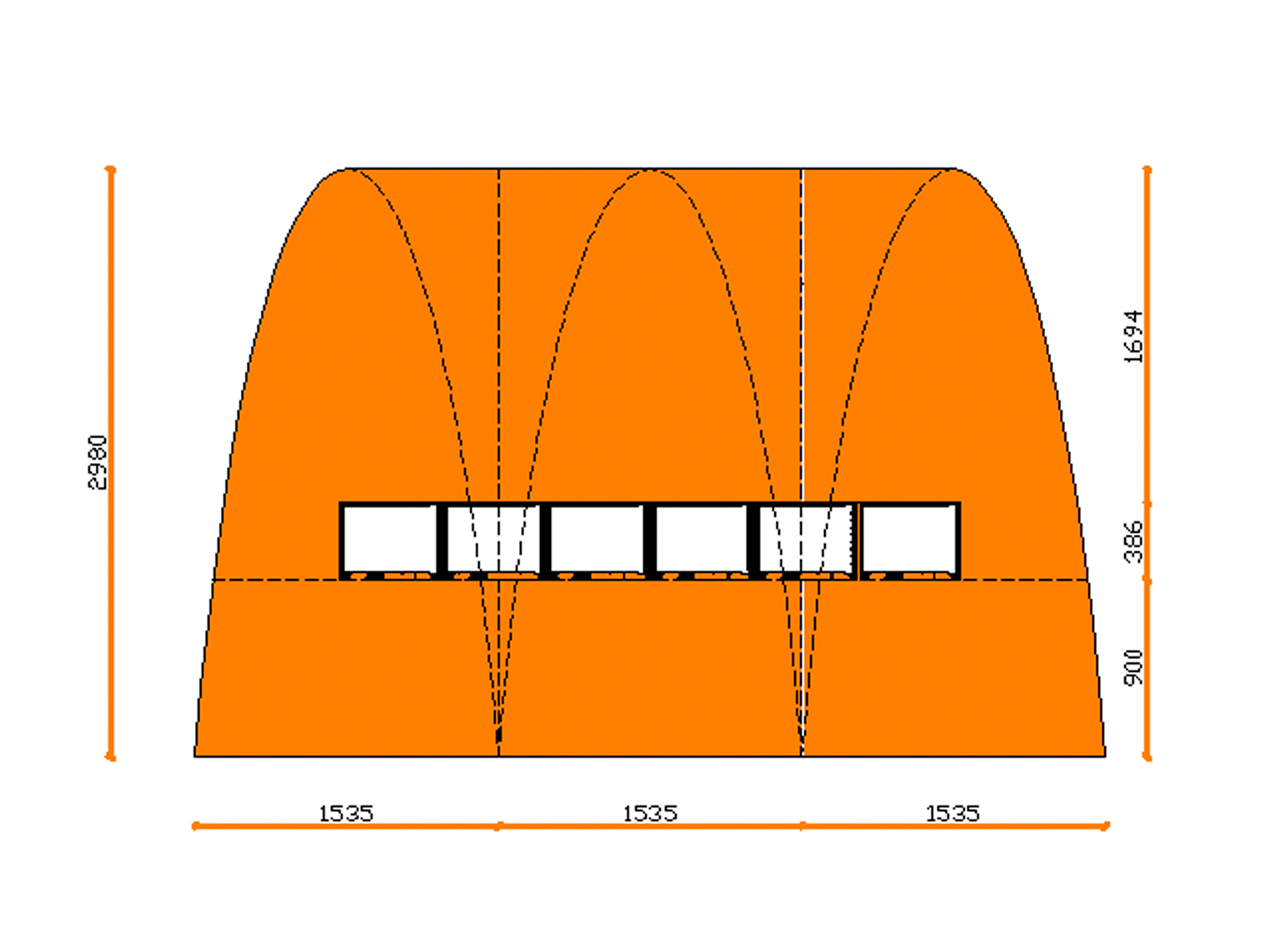
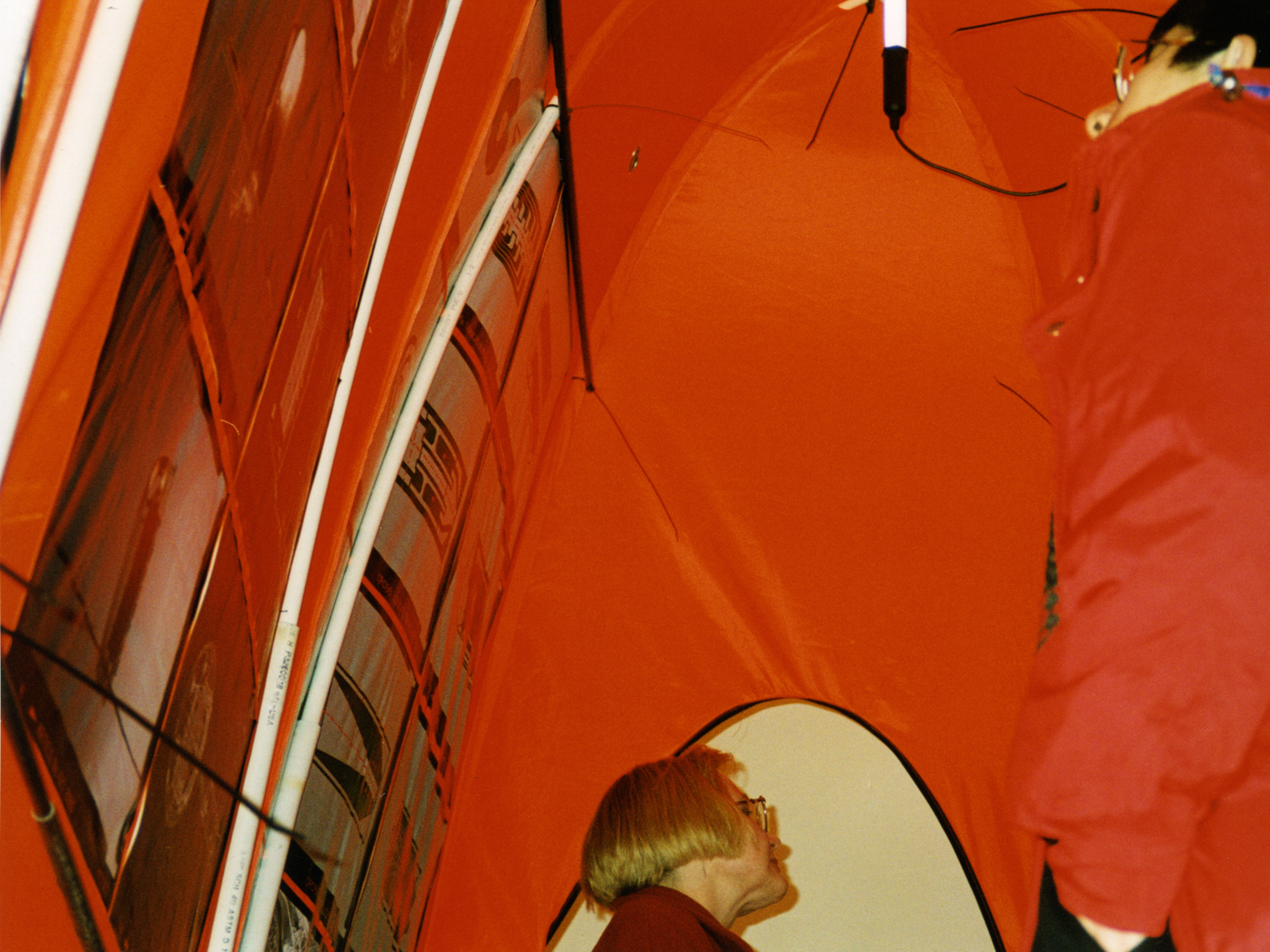
Artists: Private Ideology (Audrius Bučas, Marina Bučienė, Aida Čeponytė, Gintaras Kuginys, Valdas Ozarinskas)
Participants: 3+1 Architects (Markus Kaasik, Andreas Ojari, Ilmar Valdur); Arhis (Andris Kronbergs, Arnis Kleinbergs, Eduards Beernaerts, Ivo Kalvelis, Girts Kilevics, Juris Lasis, Vilnis Slars, Edgars Treimanis, Vilnis Uzors); Private Ideology (Andrius Bučas, Marina Bučienė, Valdas Ozarinskas, Aida Čeponytė, Gintaras Kuginys); White Arkitekter (Lars Gezelius, Jan Larsson, Mattias Lind, Johan Lundin, Mattias Nordström, Björn Tegnell)
Photographer: Valdas Ozarinskas
Exhibited at La Galerie d’Architecture, Paris, 2000
Exhibition Architecture