Good Steel-2, 1995
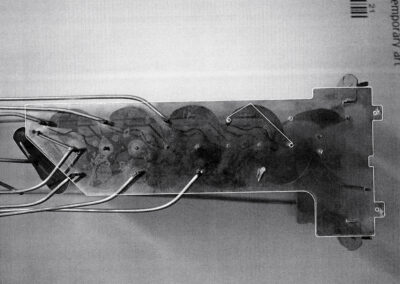
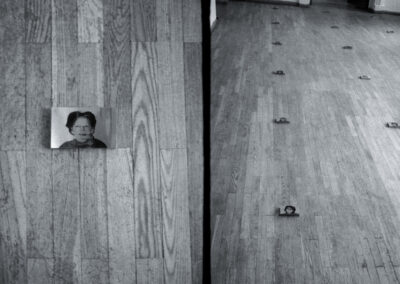
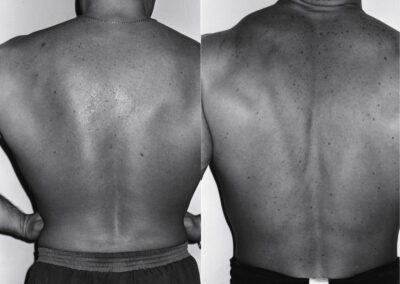
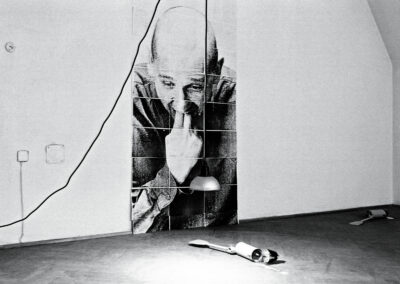
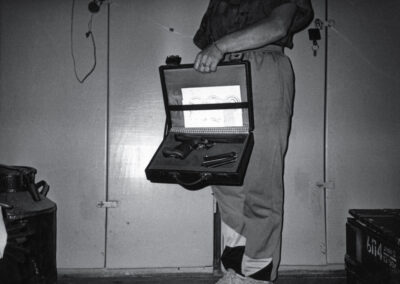
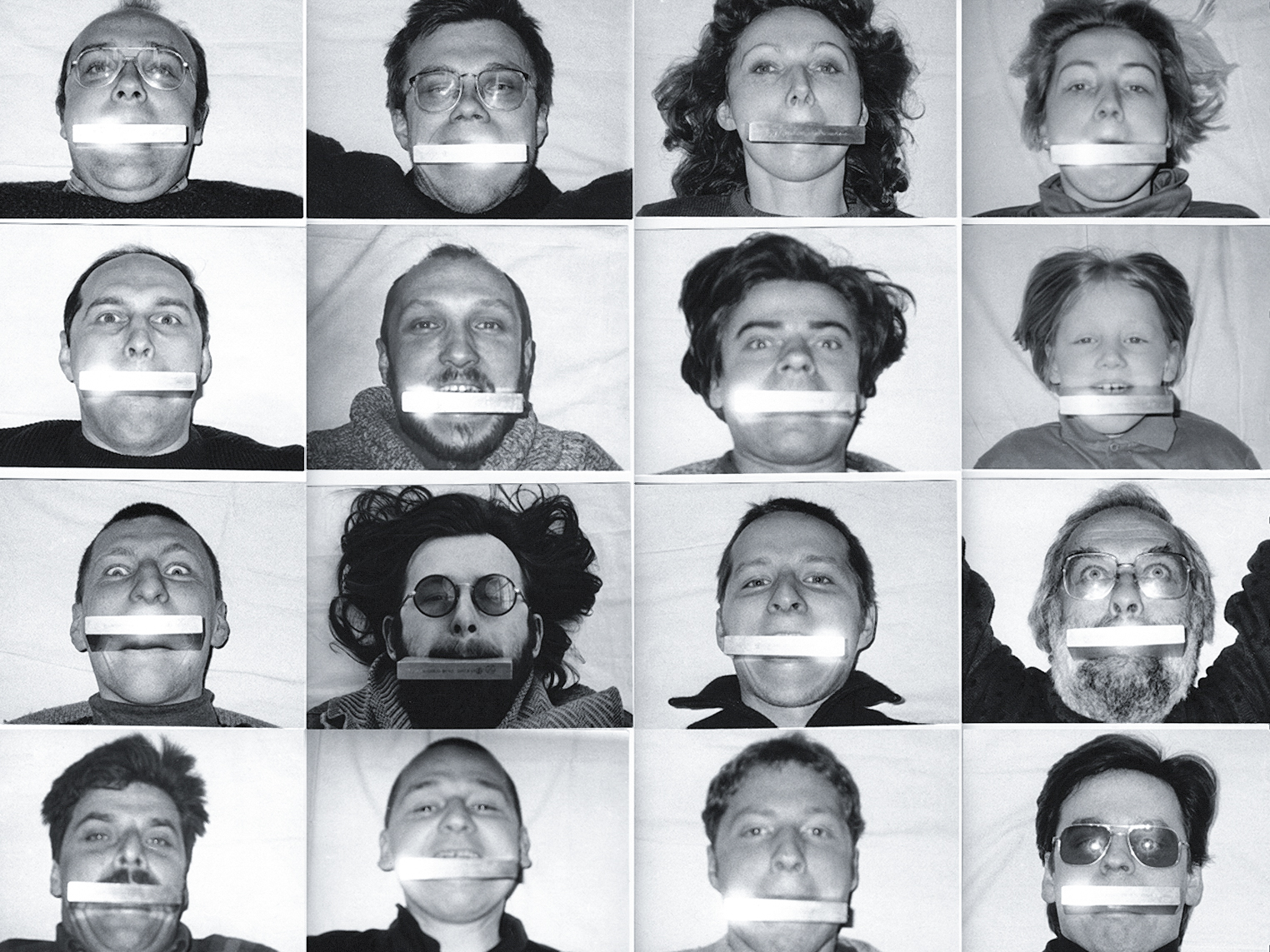
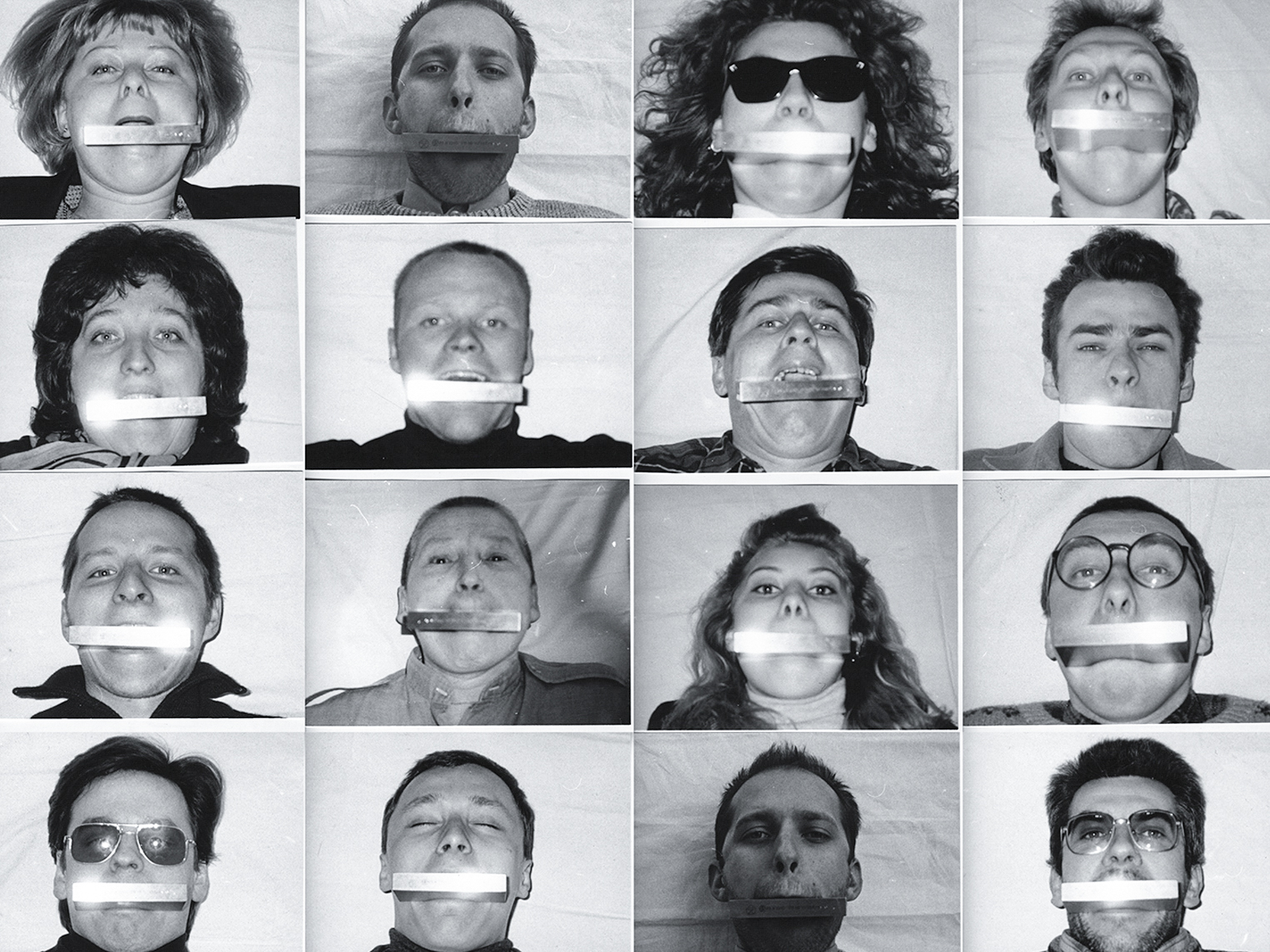
In preparation for this exhibition, Valdas Ozarinskas organised a photographic campaign, persuading many of his acquaintances – whom he encountered in various locations around Vilnius – to take part. He asked participants to lie down on a white sheet, close their eyes, and open their mouths. Then, without allowing them to see, he carefully placed a cold, heavy rectangular piece of steel into their mouths. Most participants immediately opened their eyes in surprise or horror, and it was precisely this moment of reaction that the artist captured with his camera. The campaign lasted several days or weeks – until he had exposed an entire roll of film.
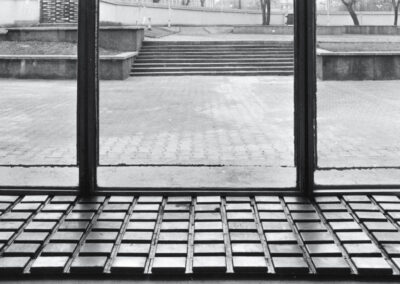
The resulting series of portraits was photographed in a range of cultural spaces – the Contemporary Art Centre, the foyer of the National Philharmonic, the Lietuvos aidas gallery, and other locations – and became a kind of reflection of the city’s cultural life at the time. On the one hand, it constitutes a collective portrait of individuals connected by their acquaintance with the initiator of the campaign, their daily routines, and their adventurous nature. It includes both well-known and lesser-known artists, cultural figures, and visitors to these spaces. On the other hand, the setting of public institutions – still imbued with the atmosphere of the Soviet period – was particularly significant for Ozarinskas as an architect, whose criticism was often directed at their transformations. This architecture, often oppressive in its scale, coldness, and unwelcoming aura, both frightened and fascinated him. The cold steel block embodied his preferred aesthetic of austerity while simultaneously provoking a question: why are the same people unafraid of the buildings they visit every day?
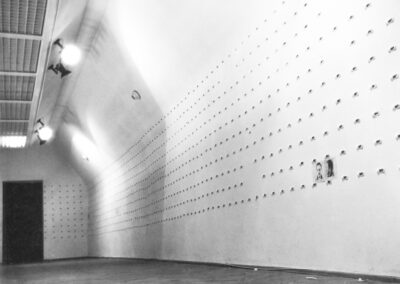
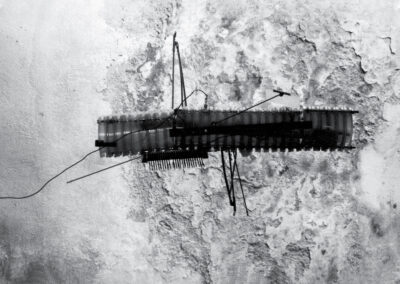
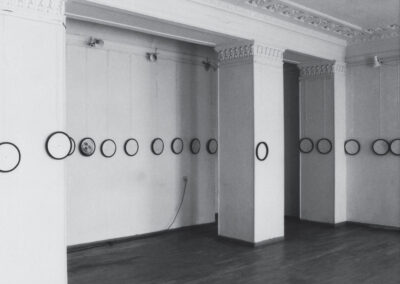
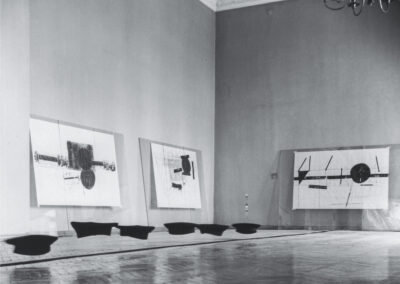
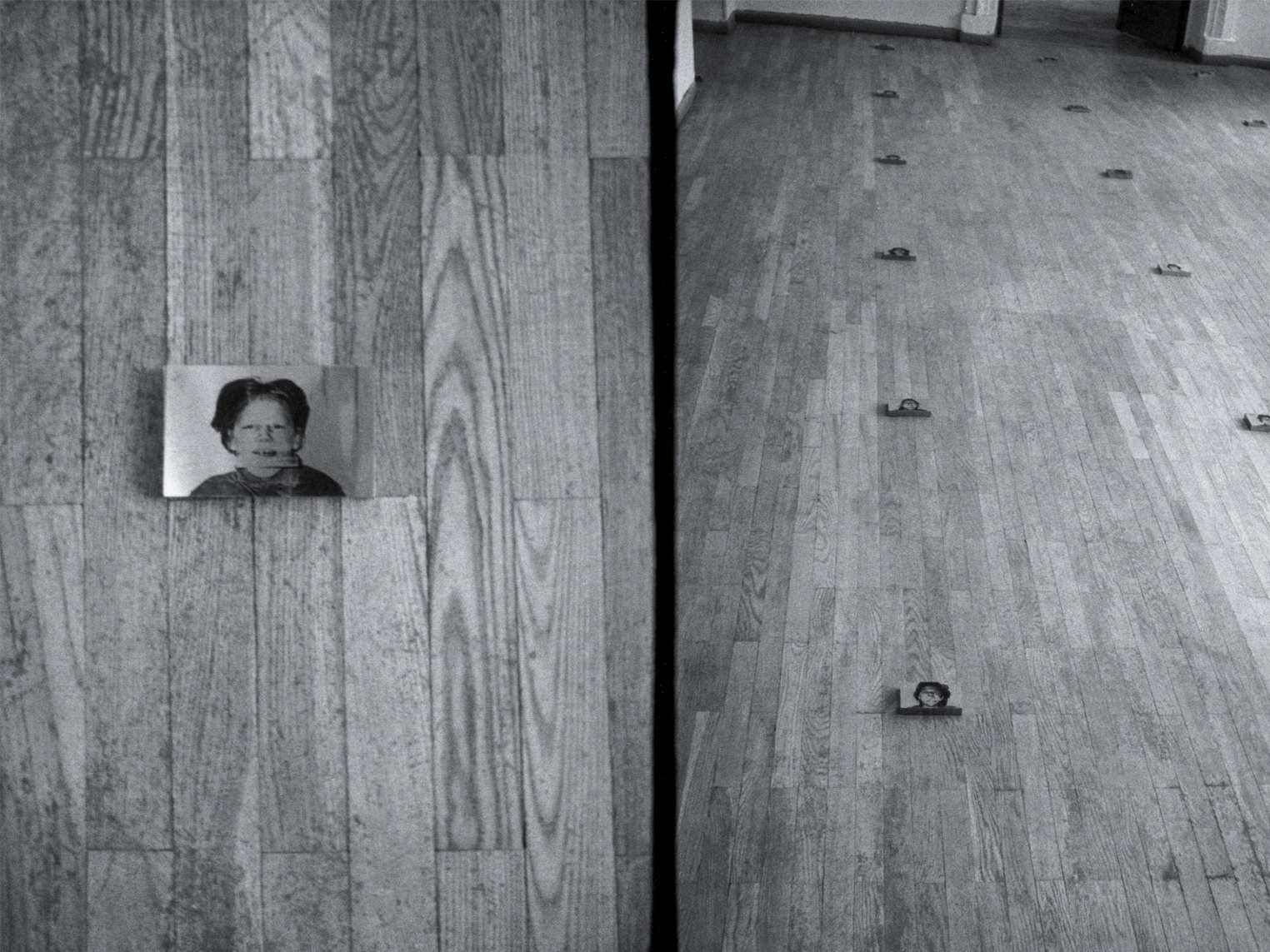
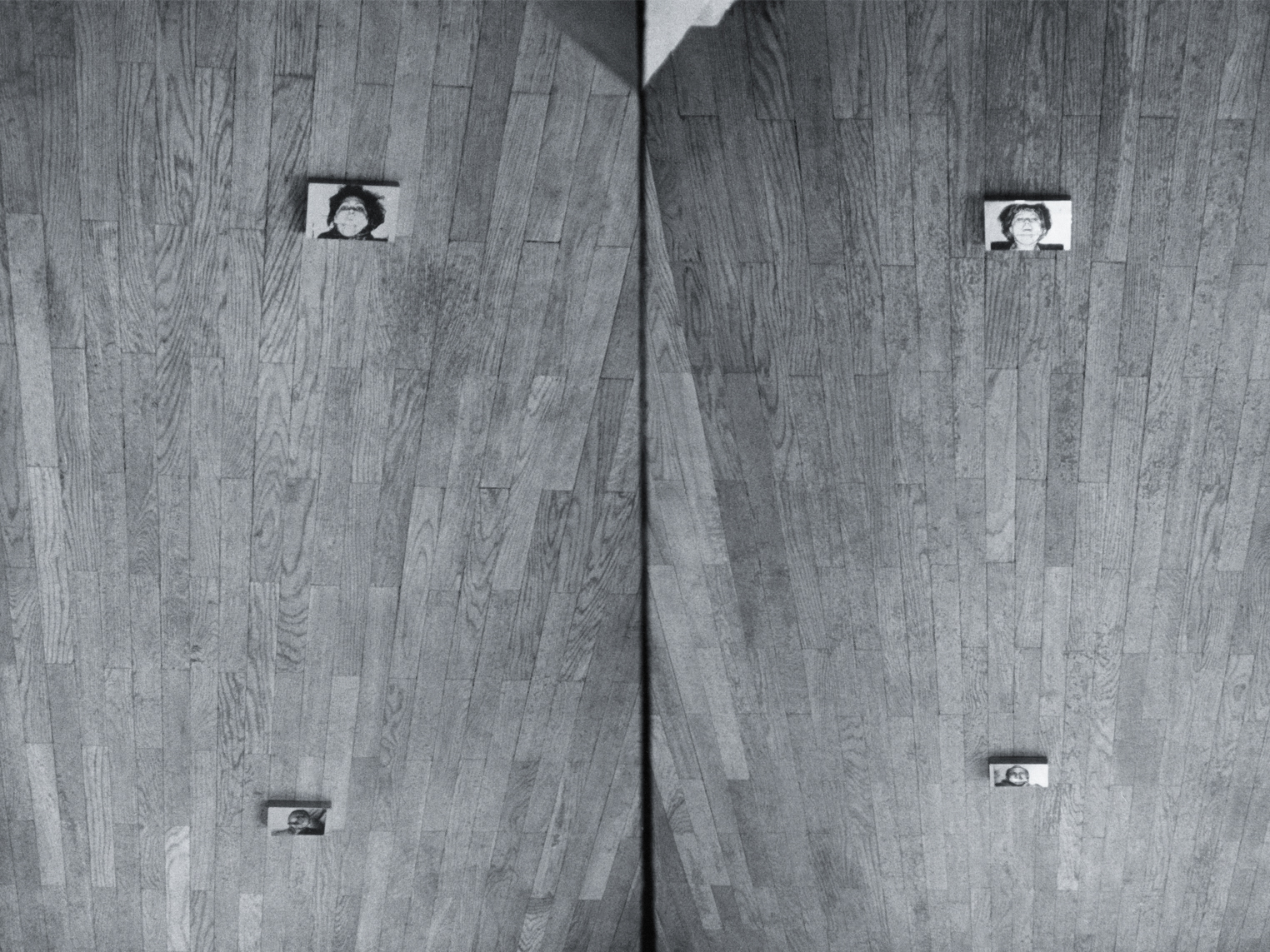
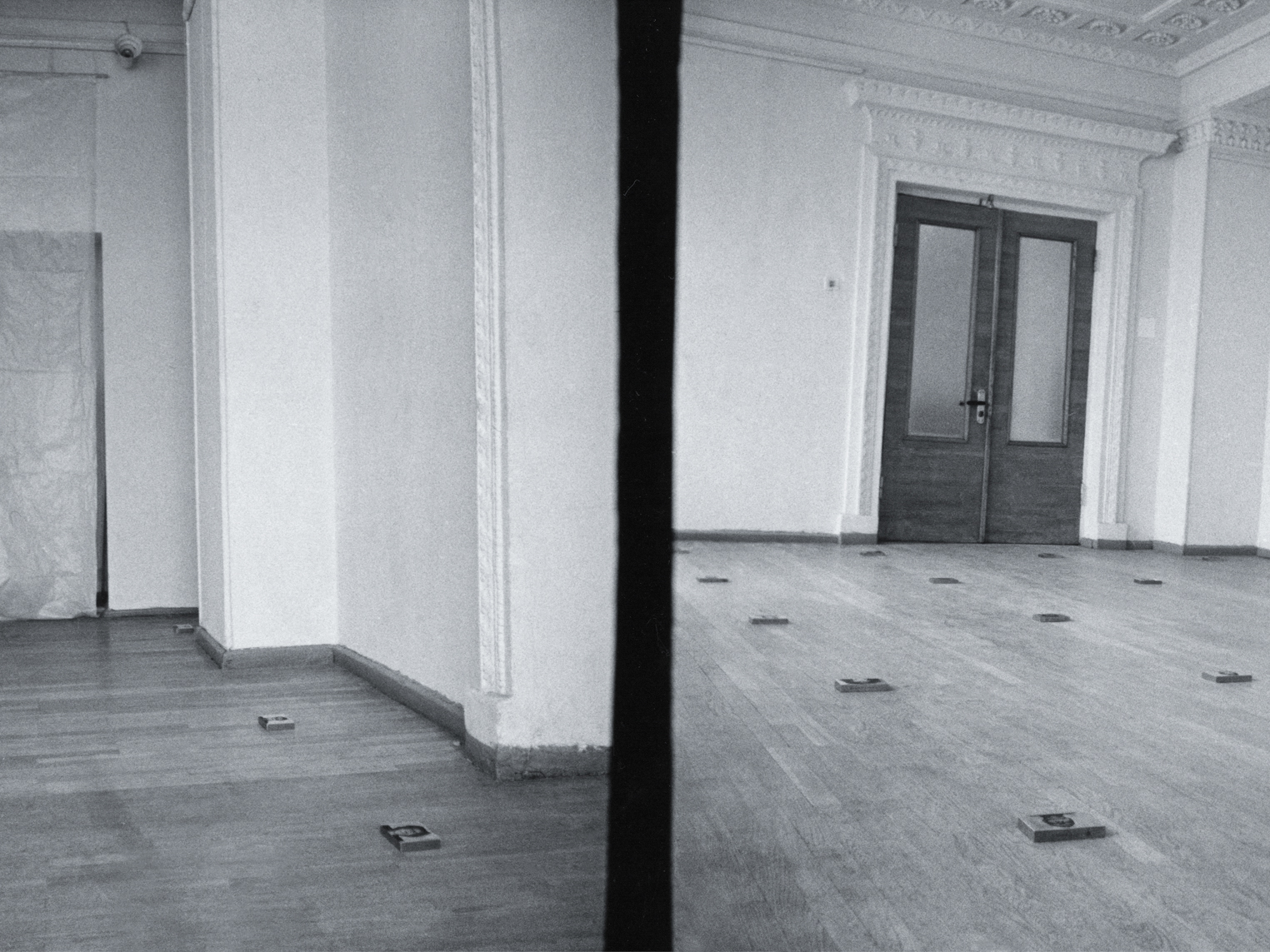
The photographs in the exhibition were displayed on identical steel blocks, arranged in uniform, monotonous rows characteristic of conceptual art. The title Good Steel 2 directly referenced Mindaugas Navakas’s exhibition Good Steel, recently shown in the same gallery, whose author – a sculptor trained in architecture – strongly fascinated Ozarinskas. This deliberate adoption of the title reflects one of his most important creative principles: why create something new when there are already so many (good) things in the world?[1] This approach enabled Ozarinskas to construct expansive metaphors and open-ended, inexhaustible systems of meaning using minimal means.
[1] Ozarinskas made this remark in response to art historian Erika Grigoravičienė’s question about whether he had made the metal elements used in the installation: Erika Grigoravičienė, ‘Plieninis pabučiavimas’ (Steel Kiss), 7 meno dienos, April 14, 1995.
– Virginija Januškevičiūtė
Author: Valdas Ozarinskas
Photographers: Gintautas Trimakas, Valdas Ozarinskas
Exhibited at the Šiaurės Atėnai Gallery, Vilnius
Other sources:
Virginija Januškevičiūtė, ‘Aidos Čeponytės ir Valdo Ozarinsko videofiksacijos. Restauruoti ankstyvojo lietuviško videomeno kūriniai „Meno avilio “ sinematekoje’ (Video Fixations by Aida Čeponytė and Valdas Ozarinskas. Restored Early Lithuanian Video Art Works in the Meno Avilys Film Archive), Nemunas, 2024, No. 10.
Art Projects