Time or One Month’s Fixation, 1994
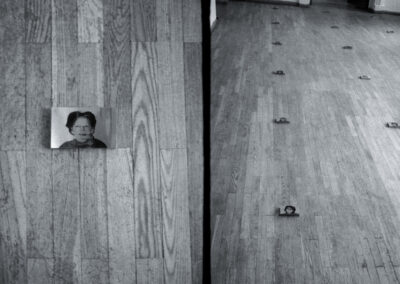
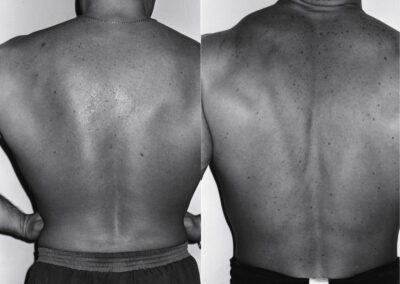
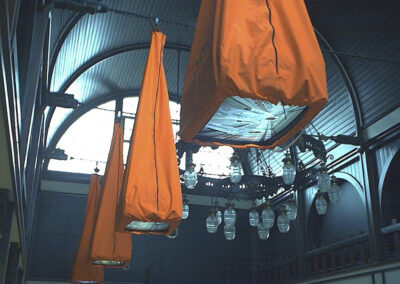
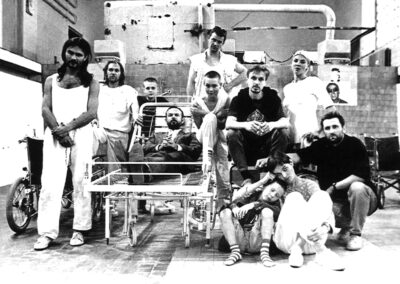
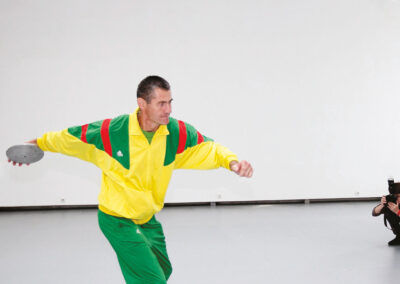
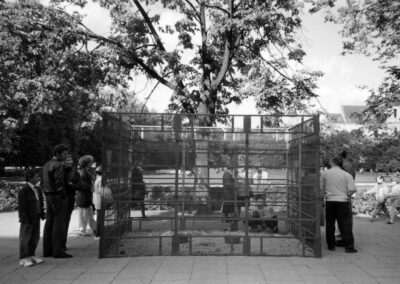
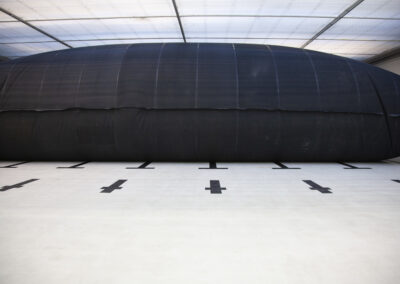
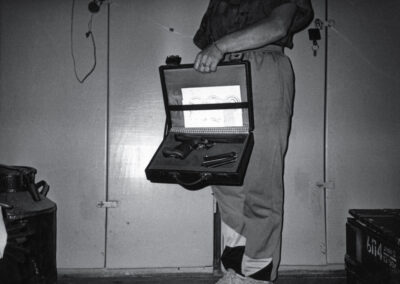
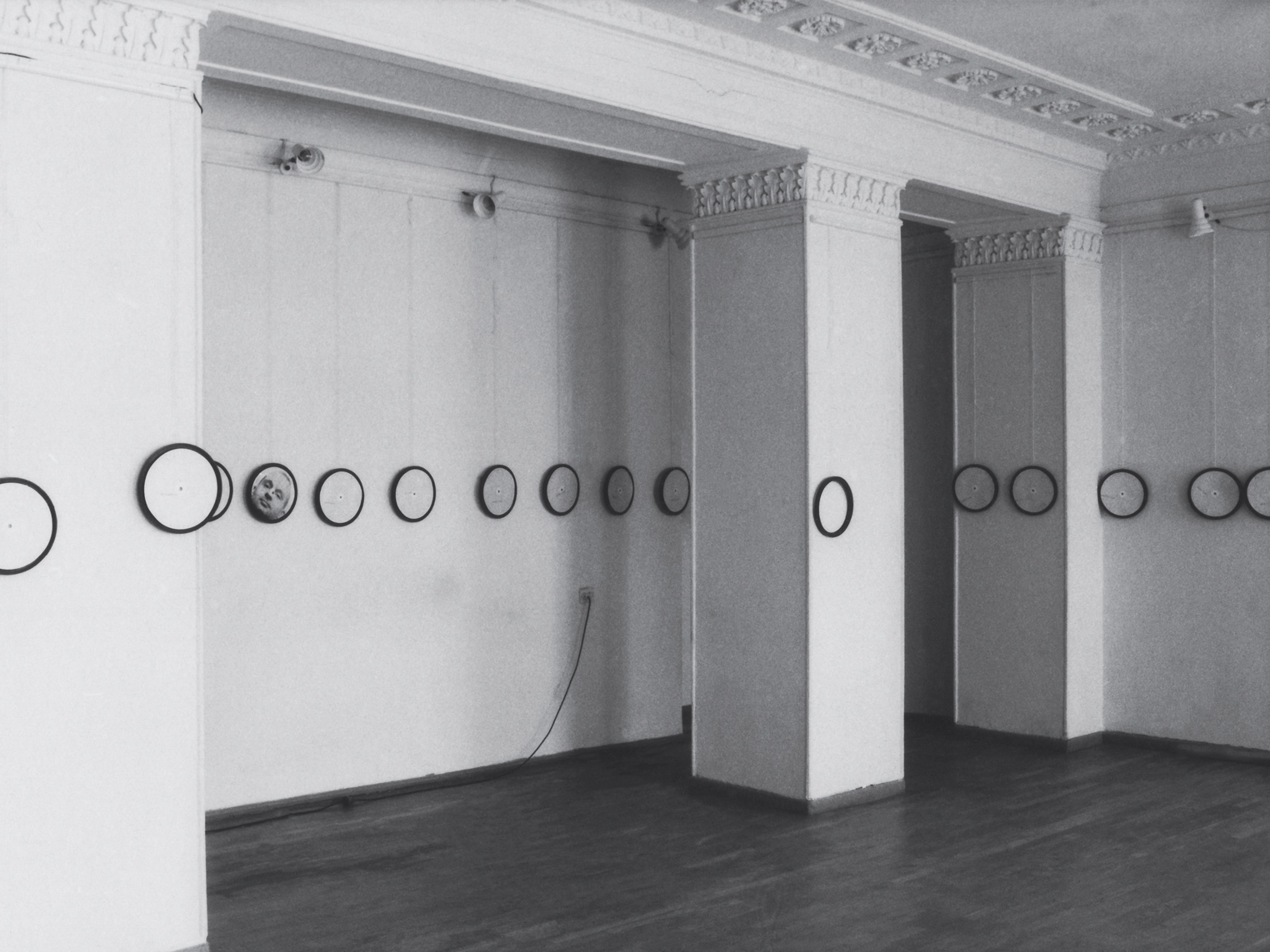
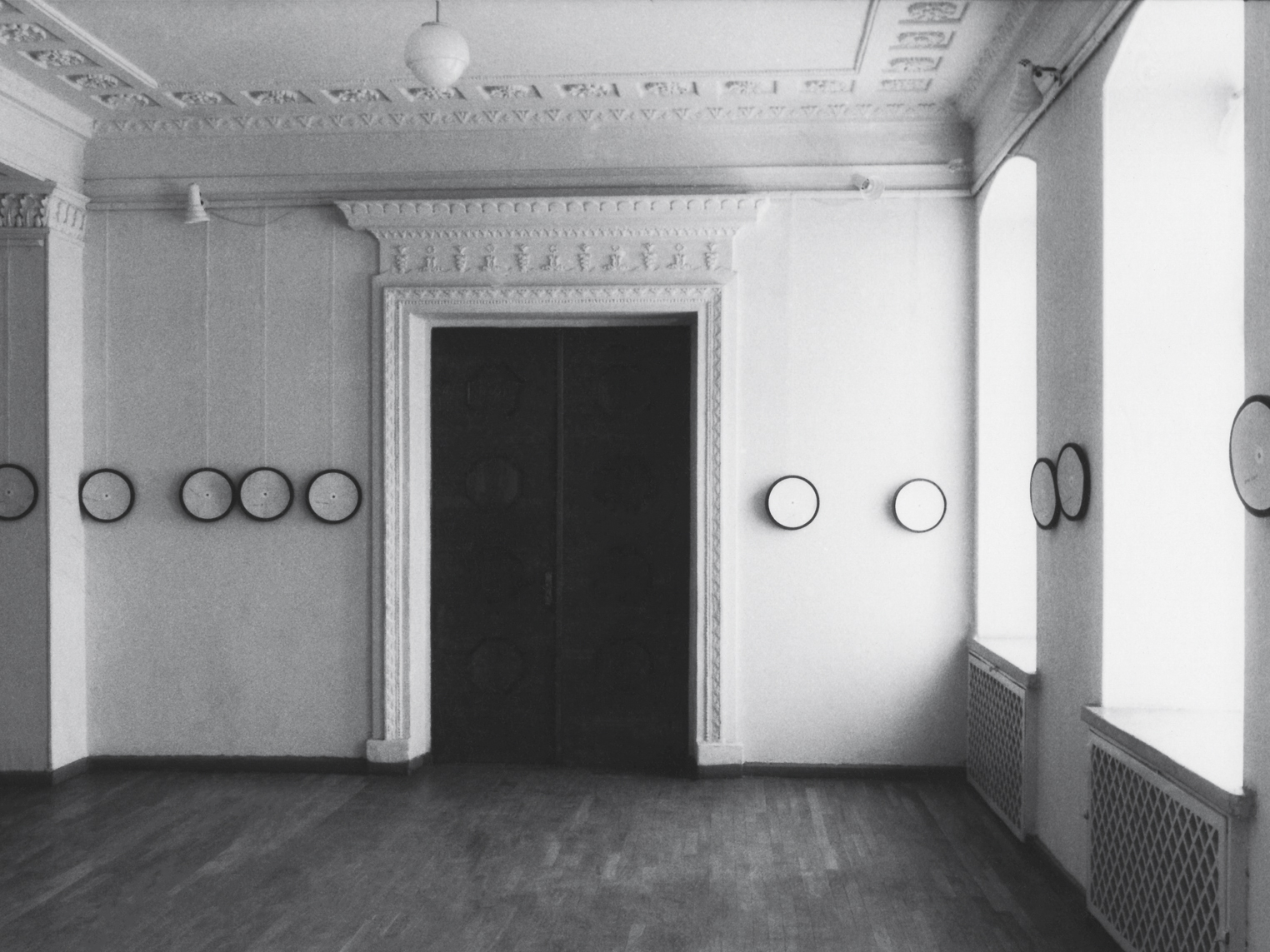
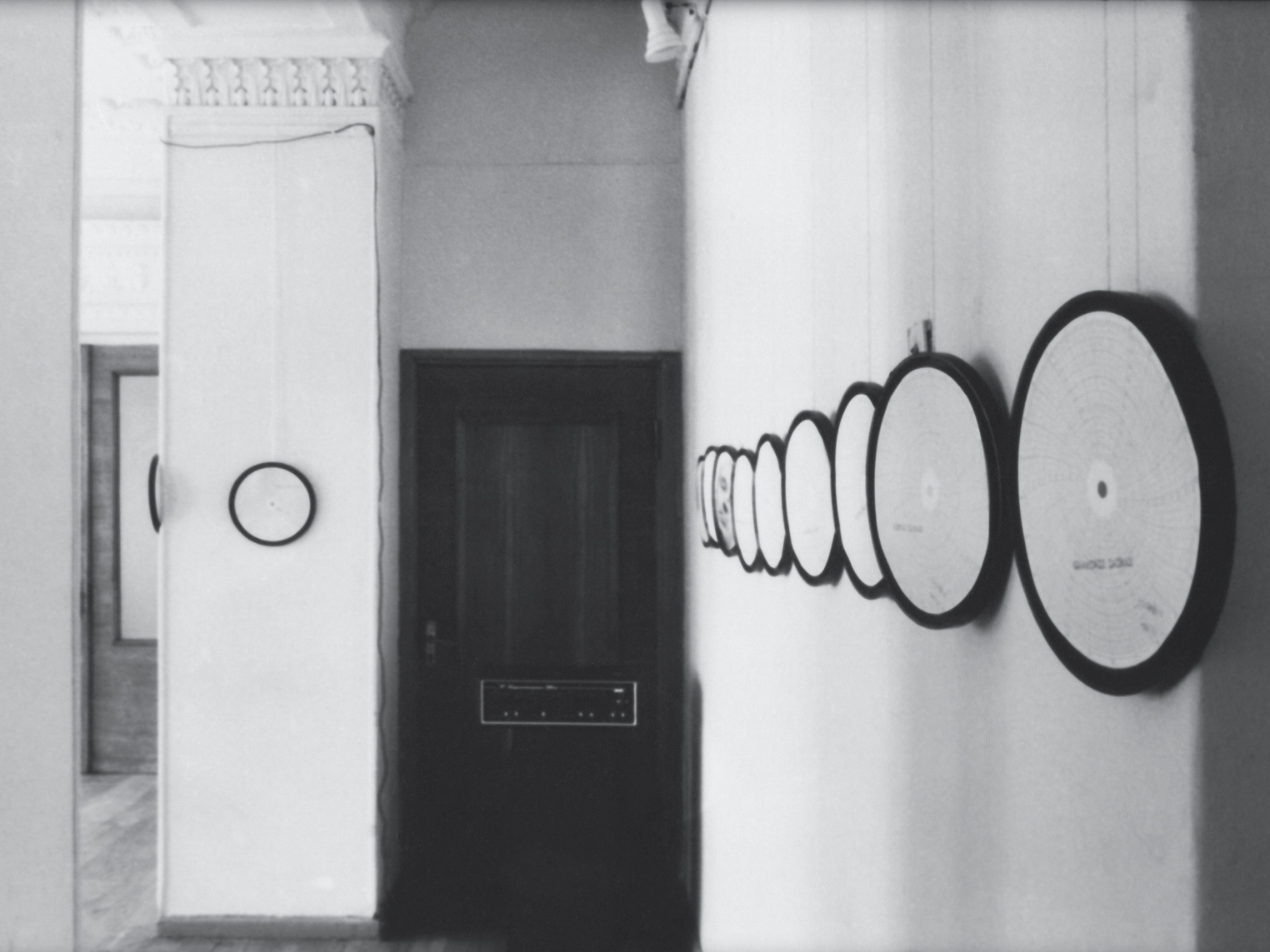
This exhibition clearly illustrates the multi-stage process involved in preparing an exhibition. Ozarinskas often organised preparatory photo shoots or artistic actions, functioning much as the drawings and models produced in the development of architectural projects. At the same time, the artist’s own statements reveal his great pleasure in creating ‘without lifting a finger’ – performative artistic actions took the place of more traditional modes of creative work.
Even in Ozarinskas’s early exhibitions, a gap began to emerge between what was visible to the viewer and what the artist knew about the creative process. Over time, this gap became a key element of his distinctive ‘hide-and-seek’ strategy: it enabled him to critique the categorisation of architects; to utilise humour while organising the Sostinės dienos festival (Capital Days, Vilnius City Festival – tr. note); and to ‘deceive’ clients by concealing the true nature of furniture or buildings. In the case of this particular exhibition, the tension between appearance and process lies in the (un)revealed details of domestic mundanity.
– Virginija Januškevičiūtė
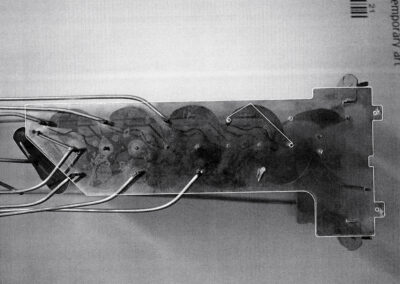
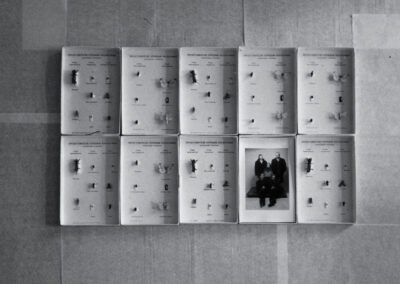
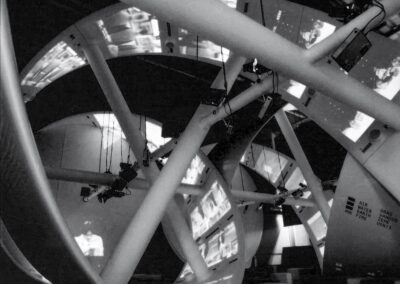
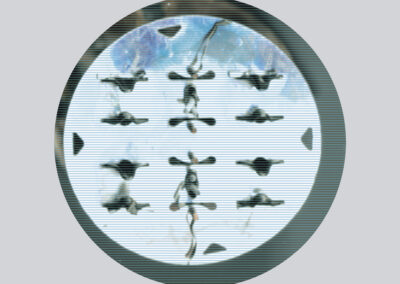
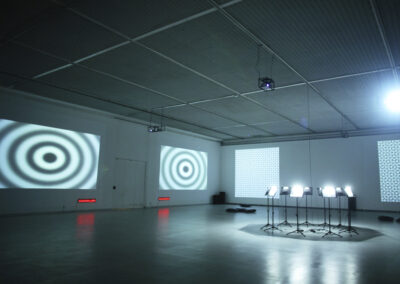
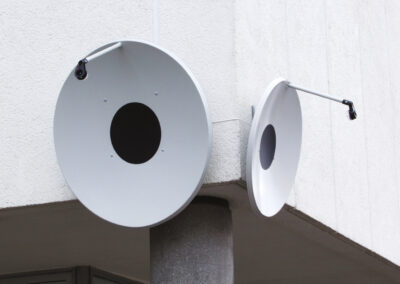
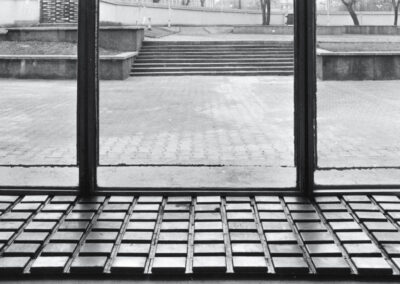
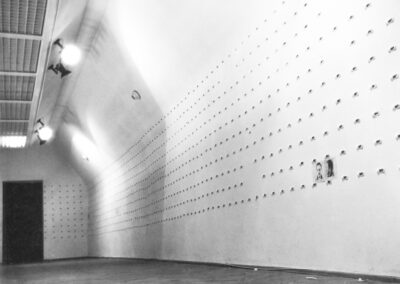
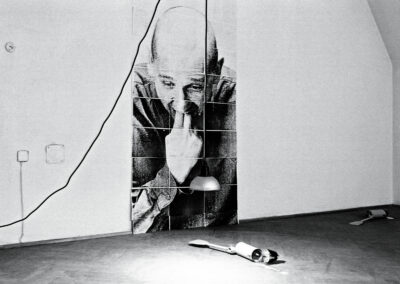
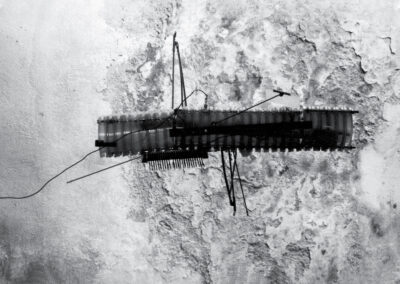
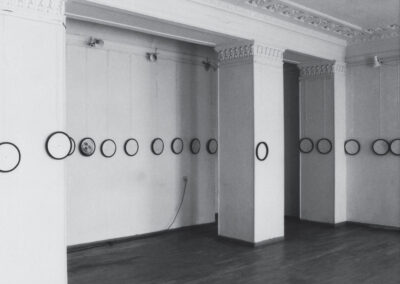
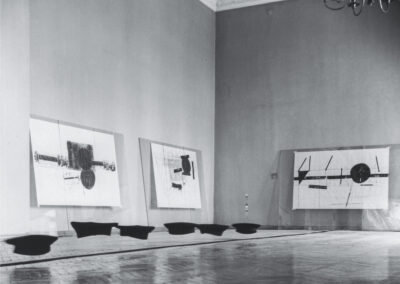
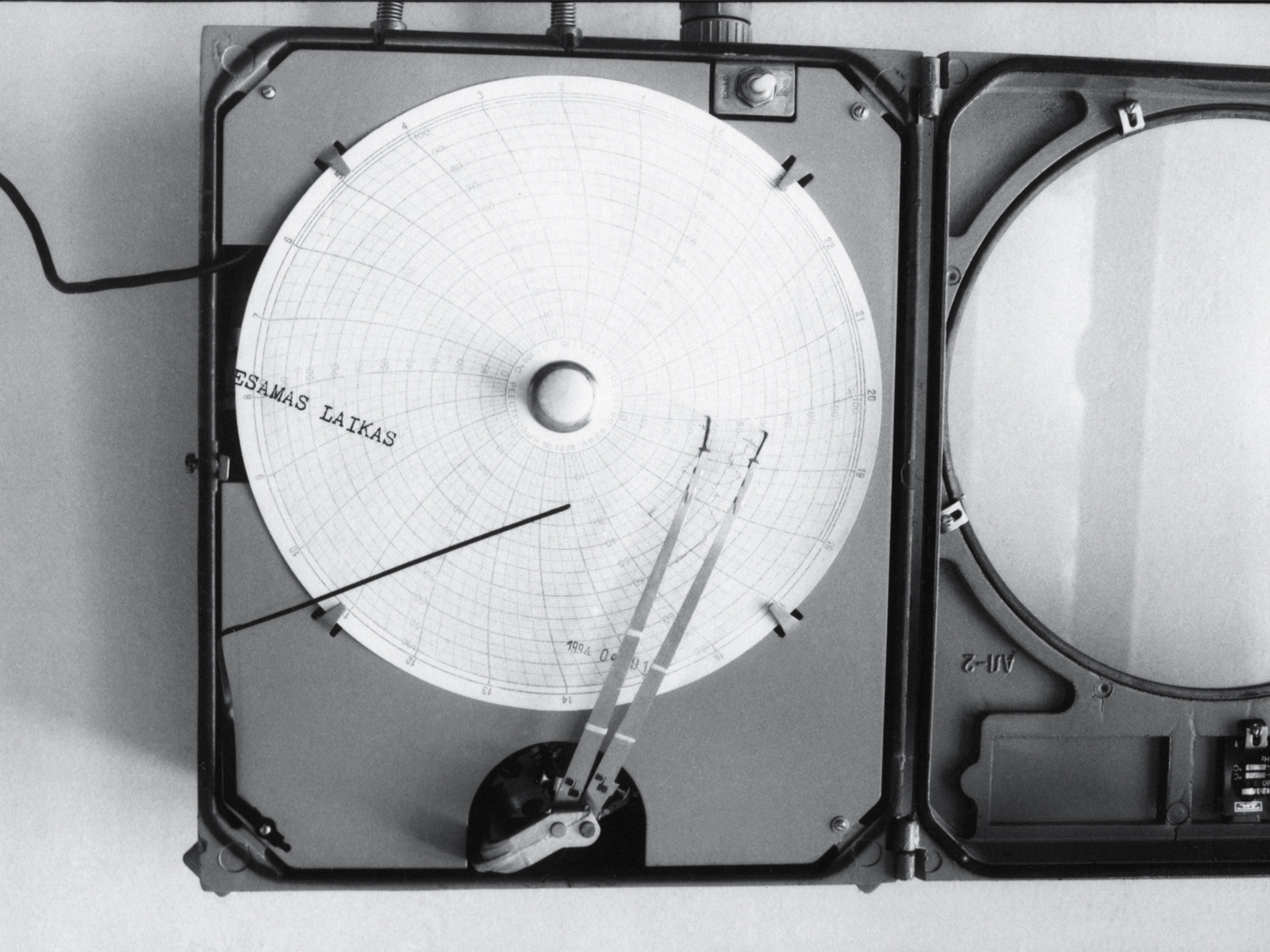
[In] 1994, in preparation for the exhibition Time, or Fixation of One Month at the Lietuvos Aidas Gallery, the artist measured temperature changes at home for 30 days with a specific device that drew a curve reflecting the changes throughout the day. In this way, the machine made 30 graphic images, which were later displayed. The last graph was drawn by the device in the exhibition space, with the audience trying to change the temperature of the surroundings in various ways. The artist said in an interview with the art critic Erika Grigoravičienė: ‘These curves, these peculiar drawings that appeared without me lifting a finger, remained like diaries. Looking at them, I know when I was at home, when I lit the stove, and when I went to bed on any given day. The device recorded and pictured my time.’[1]
[1] Grigoravičienė, Erika. ‘Plieninis pabučiavimas’, in 7 meno dienos, 14 April 1994.
Virginija Januškevičiūtė, ‘“Fixations” by Aida Čeponytė and Valdas Ozarinskas: Restored Works of Early Lithuanian Video Art at the Meno Avilys Cinematheque’, Nemunas, 2024, no. 10, p. 13. The text and its translation were commissioned by Meno Avilys as part of Sinemateka.lt, a project dedicated to the digitisation and restoration of Lithuanian audiovisual heritage.
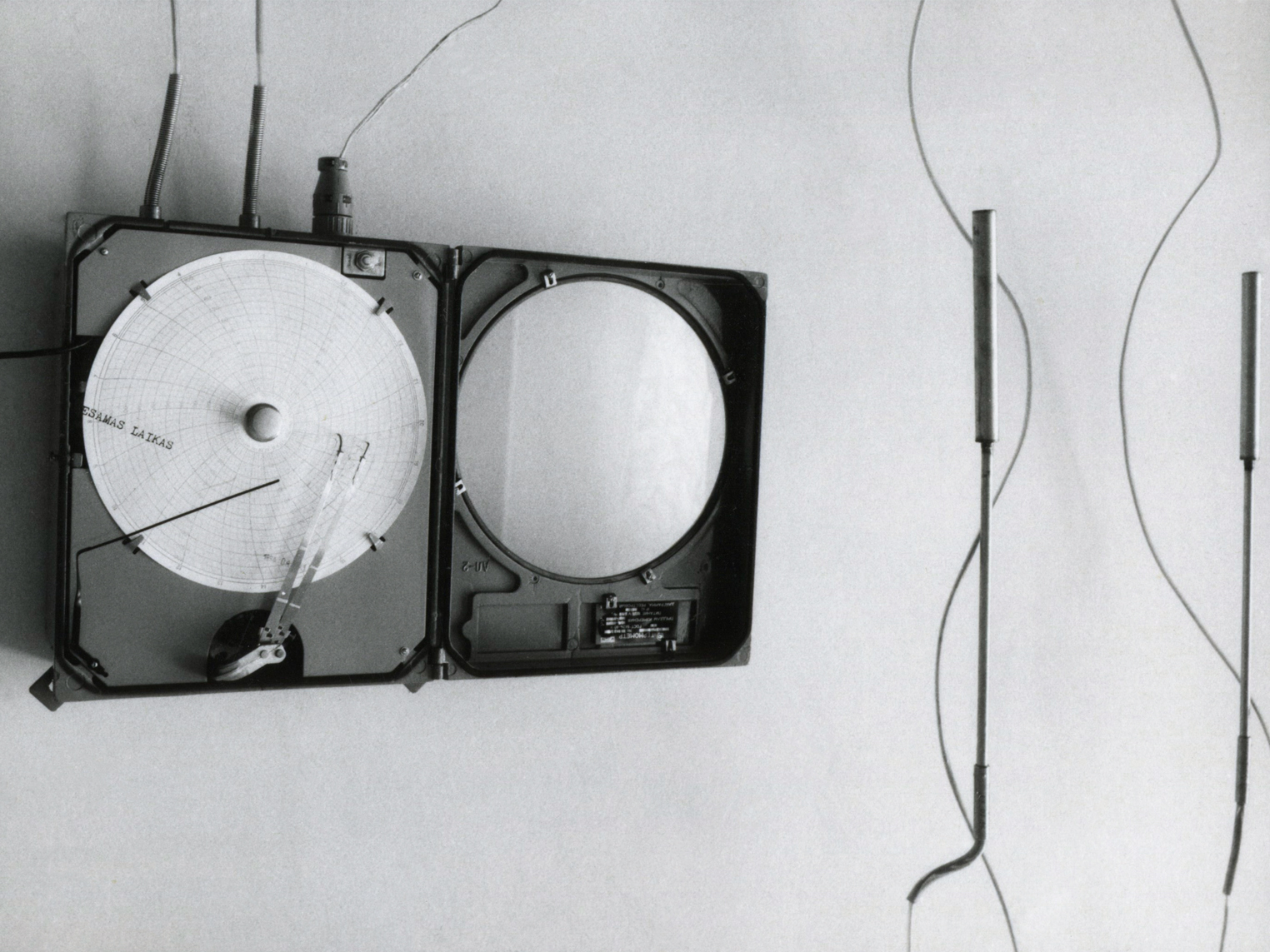
Author: Valdas Ozarinskas
Photographer: Gintautas Trimakas
Exhibited at the Šiaurės Atėnai Gallery, Vilnius
Other sources:
Audronė Jablonskienė, Trys istorijos: kas buvo, bus ir kas tebėra, Lietuvos aidas, 1994, No. 69.
Liutauras Pšibilskis, ‘Trys mėnesio instaliacijos’, Literatūra ir menas, 7 May, 1994, No. 19.
Art Projects